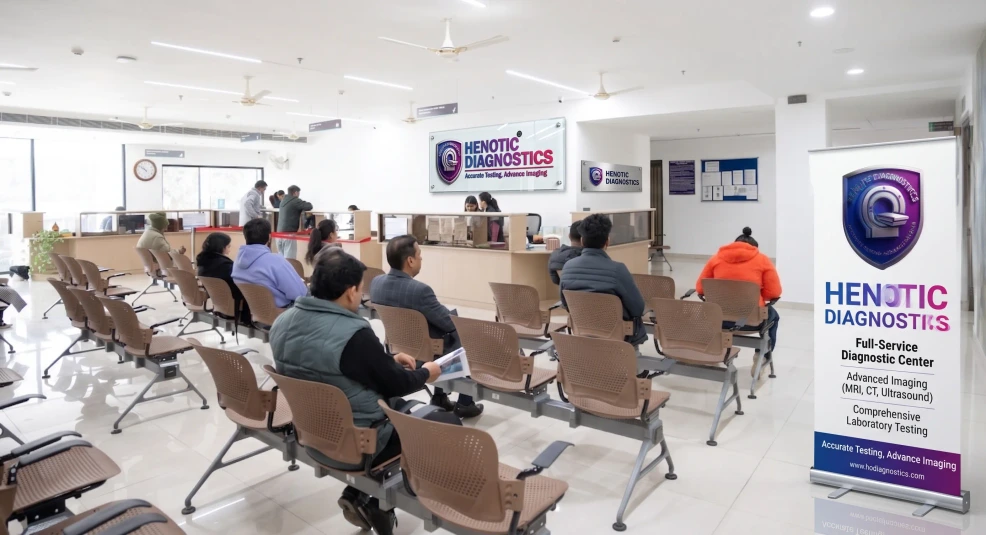
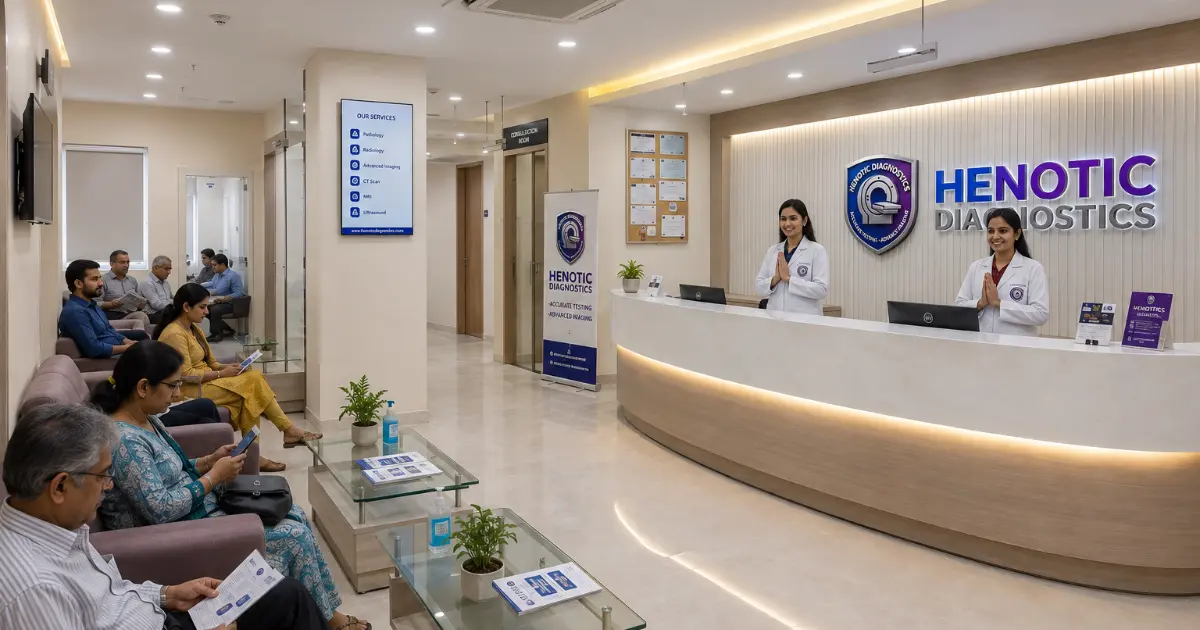
Loading Diagnostics...
Connecting to our secure server
Connecting to our secure server
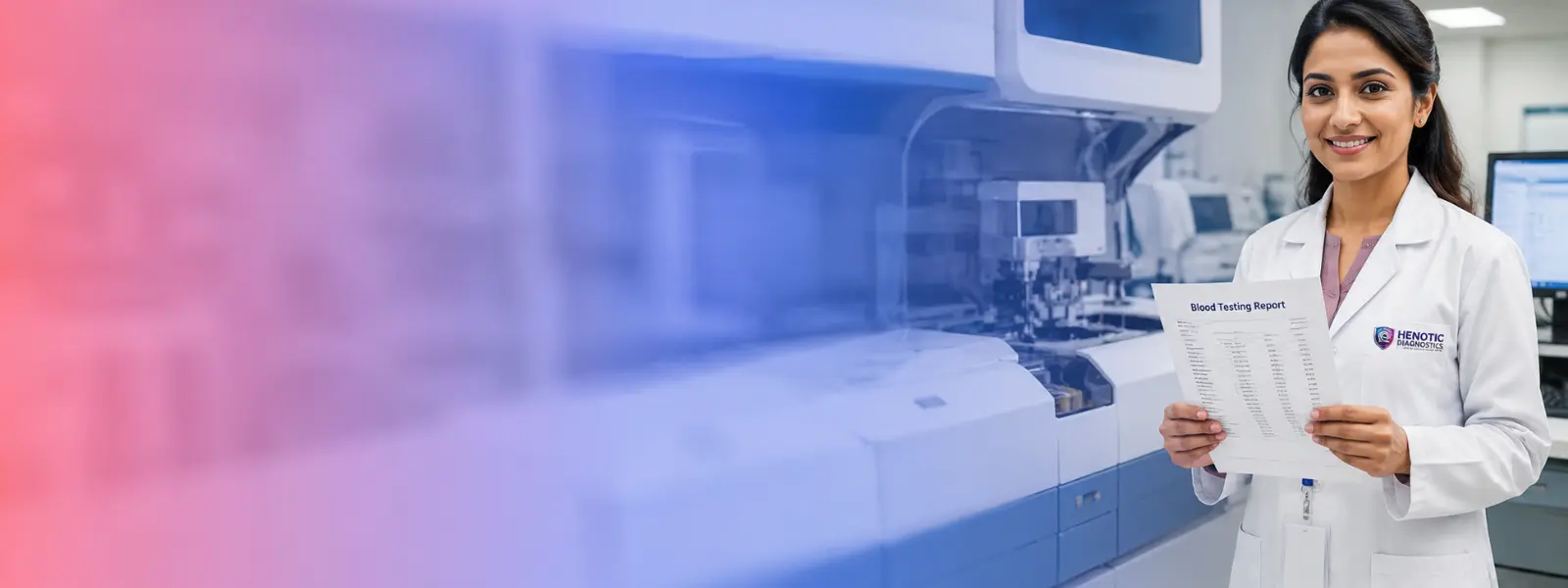
Browse our comprehensive library of diagnostic capabilities. We provide over 200 NABL accredited radiology scans and automated clinical pathology investigations.
Medical Diagnostics encompasses laboratory investigations, medical imaging, pathology, screening procedures, and specialized diagnostic tests used to obtain objective information about health. These investigations enable physicians to evaluate clinical findings, support diagnosis, and monitor medical conditions effectively.
Explore Diagnostic Services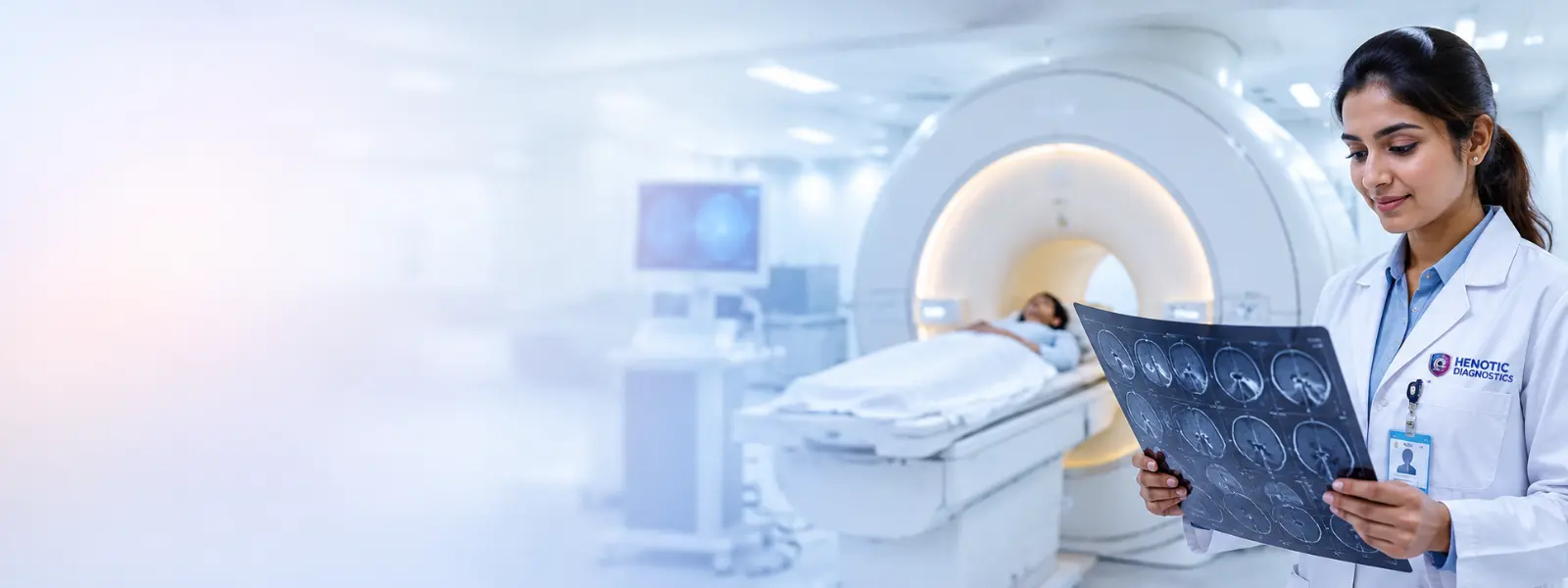
Medical diagnostics encompasses the clinical discipline and technological processes used to evaluate biological samples, physiological functions, and anatomical structures. By combining clinical pathology, diagnostic imaging, molecular testing, and functional physiological evaluations, medical diagnostics establishes objective data to confirm or exclude diseases, guide therapeutic interventions, and assess overall health status.
In modern evidence-based medicine, diagnostic evaluations form the backbone of clinical decision-making. Physicians rely on diagnostic testing to transform subjective symptoms—such as fatigue, pain, or shortness of breath—into precise physiological measurements and clear diagnostic images.
Diagnostic investigations range from routine blood chemistry panels to highly complex genomic sequencing and high-resolution 3D anatomical imaging. Together, these complementary modalities enable healthcare teams to detect pathological changes early, characterize disease mechanisms, and monitor treatment outcomes over time.
Diagnostic investigations serve critical clinical objectives across the continuum of healthcare, enabling physicians to evaluate patient health accurately and prescribe targeted therapies.
Diagnostic testing provides vital objective parameters required by physicians during clinical patient evaluations. By confirming diagnostic hypotheses and evaluating organ function, medical investigations eliminate ambiguity in disease diagnosis.
Performing standardized diagnostic tests allows healthcare teams to detect asymptomatic pathological changes early, establish precise disease baselines, and tailor therapeutic interventions to each patient’s physiological profile.
Investigating unexplained clinical symptoms, pain, or abnormal physical examination findings to pinpoint underlying physiological causes.
Confirming or excluding specific medical conditions, differential diagnoses, or structural abnormalities with objective clinical data.
Tracking the progression, stability, or remission of established acute or chronic medical conditions over time.
Evaluating how effectively a patient is responding to pharmacological therapies, surgical interventions, or lifestyle modifications.
Identifying metabolic, genetic, or cardiovascular risk factors before overt symptoms appear, enabling proactive preventive care.
Explore the primary categories forming the Henotic Diagnostics comprehensive service ecosystem.
Non-invasive cross-sectional anatomical and functional visualization utilizing magnetic fields, ionizing radiation, ultrasound waves, and radiotracers.
Biochemical, hematological, endocrinological, and immunological analysis of venous blood, urine, and body fluids to measure physiological biomarkers.
Microscopic and molecular examination of cellular aspirates, tissue biopsies, and surgical specimens to evaluate disease etiology and cellular structure.
Functional cardiac electrophysiology, echocardiographic valvular visualization, and exercise stress testing to assess myocardial performance and vascular health.
Specialized breast tissue imaging, digital 3D tomosynthesis, sonomammography, and pelvic follicular evaluations for comprehensive women’s healthcare.
Obstetric ultrasonography, nuchal translucency screening, fetal structural anomaly scans, and Doppler blood flow evaluations during gestation.
DNA/RNA high-throughput sequencing, chromosomal analysis, non-invasive prenatal testing (NIPT), and carrier screening for inherited genetic conditions.
Structured preventive health packages, organ function checkups, metabolic evaluations, and age-appropriate cancer screening protocols.
Advanced targeted investigations including transient elastography (FibroScan) for liver fibrosis quantification and DEXA bone mineral density testing.
Diagnostic imaging captures detailed internal anatomical images using advanced wave and radiation technologies. At Henotic Diagnostics, medical imaging modalities include high-field 3T Magnetic Resonance Imaging (MRI), multi-slice Computed Tomography (128-Slice CT), PET-CT molecular imaging, digital X-ray, DEXA bone densitometry, and high-frequency Doppler ultrasonography.
Imaging examinations provide essential structural details required to identify fractures, soft tissue injuries, vascular occlusion, neurological disorders, and oncological lesions.

Laboratory investigations analyze fluid specimens to assess organ biochemistry, cellular composition, metabolic status, and endocrine function. Clinical laboratory testing measures physiological markers in venous blood, urine, cerebrospinal fluid, and biological exudates.
Core laboratory disciplines encompass clinical biochemistry, hematology, serology, immunology, and endocrinology. Standard profiles—such as liver function tests (LFT), kidney function tests (KFT), lipid profiles, thyroid panels, and HbA1c—provide essential baseline biochemical data.
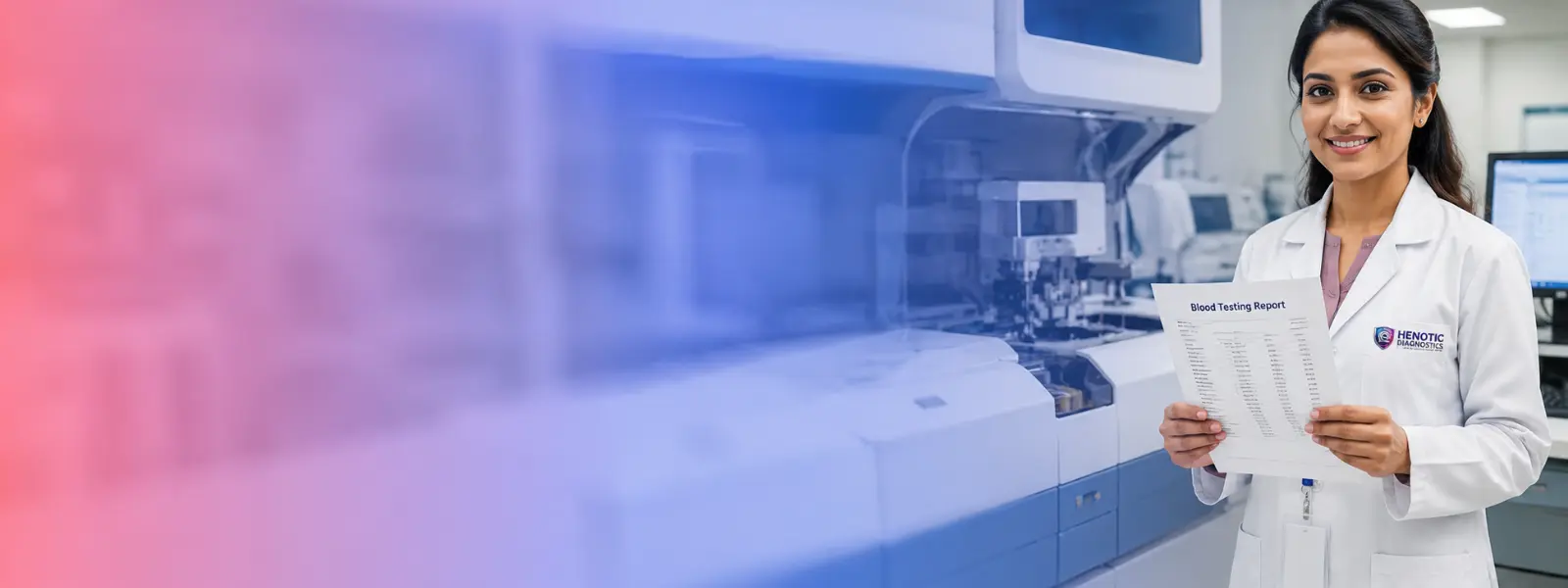
Pathology evaluates disease processes at the cellular and tissue level. Through histopathology, cytopathology, fine-needle aspiration cytology (FNAC), and image-guided biopsies, pathologists examine tissue architecture and cellular morphology to characterize inflammatory, infectious, or neoplastic changes.
Targeted tissue biopsies—guided by ultrasound or CT imaging—allow accurate histological sampling, facilitating definitive diagnosis and immunohistochemical staging where clinically indicated.

Cardiac diagnostic procedures assess myocardial structure, valvular function, cardiac electrophysiology, and coronary perfusion. Electrocardiography (ECG) records cardiac electrical activity to detect arrhythmias and conduction anomalies, while 2D Echocardiography provides real-time ultrasound Doppler visualization of cardiac chamber dimensions and ejection fraction.
Exercise stress testing (TMT), stress echocardiography, 24-hour Holter electrocardiographic monitoring, and Ambulatory Blood Pressure Monitoring (ABPM) evaluate cardiovascular dynamics under physiological stress and continuous daily activity.
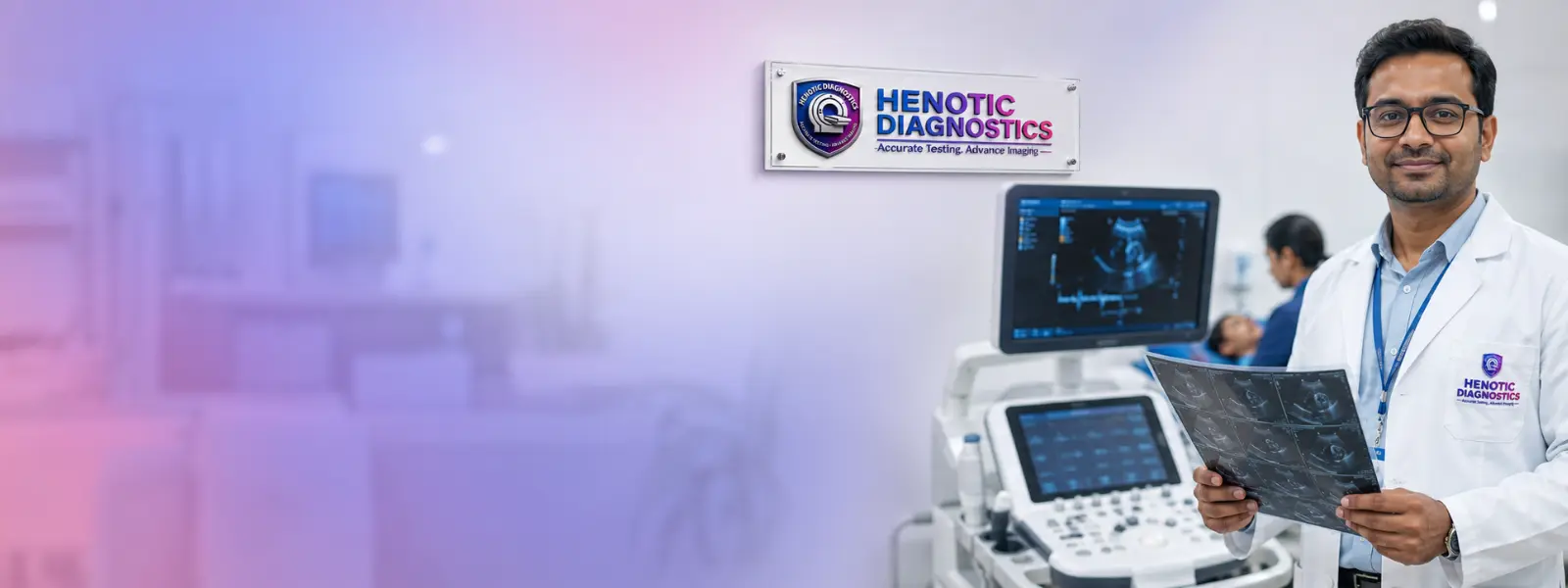
Specialized women’s diagnostic investigations focus on breast health, pelvic organ evaluation, reproductive endocrinology, and fertility monitoring. High-resolution digital mammography and Digital Breast Tomosynthesis capture low-dose X-ray tissue projections to identify microcalcifications and parenchymal asymmetry.
Furthermore, sonomammography (breast ultrasound) complements mammography by distinguishing fluid-filled simple cysts from solid lesions. Transvaginal pelvic ultrasound, breast screening protocols, and serial follicular study scans assist in evaluating uterine morphology, ovarian reserve, and ovulation timing.
Obstetric ultrasonography evaluates fetal growth, anatomical development, placental position, and amniotic fluid volume throughout gestation. Early pregnancy ultrasound confirms intrauterine gestational sac viability and gestational age.
First-trimester Nuchal Translucency (NT) scans and second-trimester Anomaly (Targeted) scans examine fetal structural morphology. Fetal Doppler velocity studies evaluate blood flow dynamics in the umbilical artery, uterine artery, and fetal middle cerebral artery (MCA) during high-risk pregnancy evaluations.

Molecular diagnostics analyzes nucleic acids (DNA and RNA) to identify constitutional genetic variations, chromosomal rearrangements, and somatic mutations. Non-Invasive Prenatal Testing (NIPT) analyzes cell-free fetal DNA isolated from maternal plasma to screen for common autosomal trisomies.
Next Generation Sequencing (NGS)—including Targeted Gene Panels, Whole Exome Sequencing (WES), and Whole Genome Sequencing (WGS)—provides detailed genomic resolution for diagnosing rare inherited disorders and guiding precision clinical management.

Preventive health screening evaluates asymptomatic individuals to detect early physiological alterations or risk factors prior to symptom onset. Comprehensive health checkup packages combine clinical biochemistry, lipid profiling, metabolic screening, baseline ECG, and abdominal ultrasound imaging.
Preventive screening programs aim to identify metabolic syndrome, early-stage hypertension, subclinical thyroid dysfunction, dyslipidemia, and age-recommended tumor markers, facilitating timely lifestyle or clinical intervention.

Specialized diagnostic procedures measure specific tissue biomechanics or bone mineral content using non-invasive quantitative technology. Transient elastography (FibroScan) measures shear-wave velocity in kilopascals (kPa) to quantify liver stiffness and hepatic steatosis non-invasively, eliminating the need for invasive liver biopsy in many chronic liver disease evaluations.
Dual-energy X-ray absorptiometry (DEXA) evaluates bone mineral density (BMD) across the lumbar spine and femoral neck, generating standardized T-scores to diagnose osteopenia and osteoporosis.

The selection of a specific diagnostic investigation is determined by a qualified healthcare professional following thorough clinical evaluation. Test choices depend on individual symptoms and clinical goals. Primary factors influencing test choice include:

Proper preparation is vital to ensure accurate test results and patient safety. Preparation protocols vary depending on the specific examination.
Fasting for 8 to 12 hours (water permitted) is typically required for fasting plasma glucose, lipid profiles, and metabolic panels.
Pelvic, early pregnancy, and prostatic ultrasound scans require a full urinary bladder for adequate acoustic window visualization.
Patients must remove all metallic objects, jewelry, and clothing with metal fasteners. Safety screening for pacemakers or metallic implants is mandatory.
Contrast-enhanced CT scans require pre-test serum creatinine verification to ensure baseline renal excretion function.

While procedures differ by modality, diagnostic patient workflows follow structured clinical quality and safety protocols:
Diagnostic reports document objective physiological measurements, tissue observations, and radiologic findings, providing structured impressions for clinical review. Reports typically contain:
Important Clinical Note: Diagnostic reports should always be reviewed in consultation with your treating physician, who correlates findings with your complete clinical history and physical examination.

Diagnostic testing provides high clinical accuracy when performed under standardized conditions. However, no diagnostic test possesses absolute 100% sensitivity or specificity. Accuracy can be influenced by technical, physiological, and timing factors:
Testing performed too early in an infection or disease course may fall below analytical detection thresholds.
Hemolysis, micro-clotting, or improper sample storage can alter delicate biochemical analytes.
Patient motion, surgical clips, or intestinal gas can create visual artifacts on ultrasound or MRI images.
Understanding the clinical distinction between preventive health screening and targeted diagnostic evaluation is essential.
| Feature / Aspect | Preventive Health Screening | Diagnostic Testing |
|---|---|---|
| Primary Clinical Objective | Detect early disease or risk factors in asymptomatic populations | Investigate cause of existing symptoms or abnormal findings |
| Target Population | Asymptomatic individuals or defined age/risk groups | Symptomatic patients or individuals with abnormal screening results |
| Nature of Test | Broad, non-invasive baseline evaluations | Targeted, high-resolution specific investigations |
| Follow-Up After Result | Routine periodic re-screening if normal | Clinical treatment planning or specialist consultation |
Complex medical conditions often require complementary diagnostic modalities to evaluate different organ properties. Combining multiple tests offers a complete diagnostic evaluation:
For example, evaluating liver health may combine laboratory liver function tests (biochemical enzyme markers), abdominal ultrasound (gross structural architecture), and FibroScan elastography (quantitative tissue stiffness). Combining anatomical and functional testing provides a comprehensive diagnostic overview that a single modality cannot achieve alone.
Henotic Diagnostics maintains a dedicated clinical team of certified diagnostic specialists who review and finalize diagnostic reports:
Physicians specializing in cross-sectional image interpretation across MRI, CT, PET-CT, Ultrasound, and Mammography.
Medical specialists overseeing tissue histopathology, fine-needle cytology, hematology, and clinical biochemistry supervision.
Specialized physicians overseeing echocardiographic evaluations, treadmill stress testing, and genomic variant classification.

Diagnostic imaging interpretation at Henotic Diagnostics Radiology Center is led by our consultant radiologist.

Dr. Pratibha Patil oversees the radiology diagnostic reporting workflow at Henotic Diagnostics. Her clinical focus encompasses neuro-radiology MRI, CT angiography, pelvic sonography, and multi-modality cancer imaging.
Working alongside referring physicians, Dr. Patil ensures that every imaging study provides clear diagnostic findings to assist patient care.
Diagnostic quality and safety standards at Henotic Diagnostics align with national regulatory authorities and international quality frameworks.
.webp)
Radiation Safety & Diagnostic Equipment Quality Assurance

Laboratory Quality & Diagnostic Competency Accreditation

International Quality Management System Certified

International Society of Ultrasound in Obstetrics & Gynecology

Healthcare Facility Quality & Patient Safety Protocols

Full Compliance with Pre-Conception & Pre-Natal Diagnostic Techniques Act
View verified statutory approvals, laboratory competency accreditations, radiation safety licenses, and clinical quality compliance certificates.

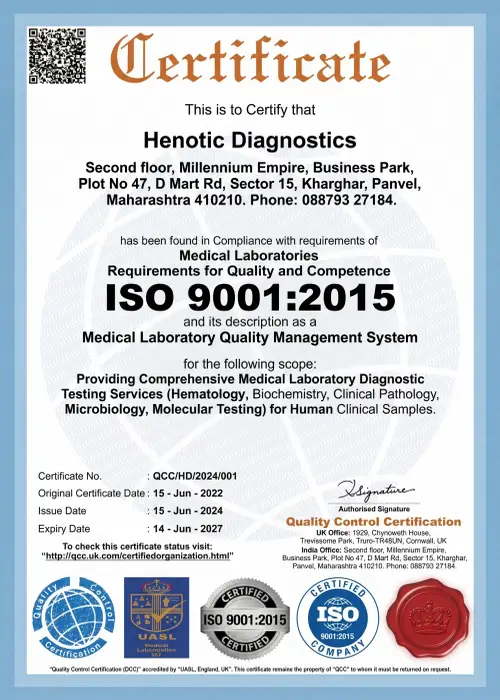

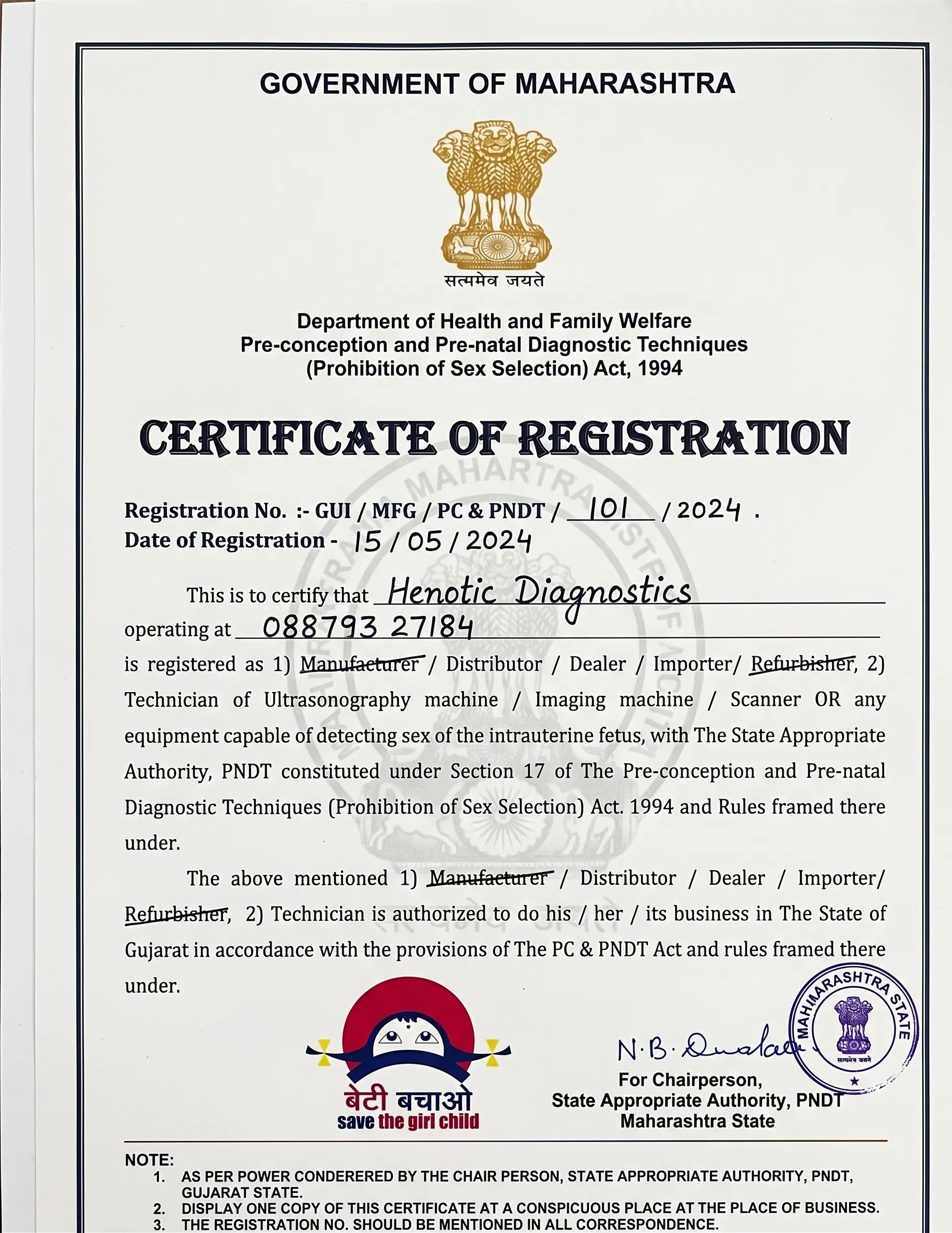
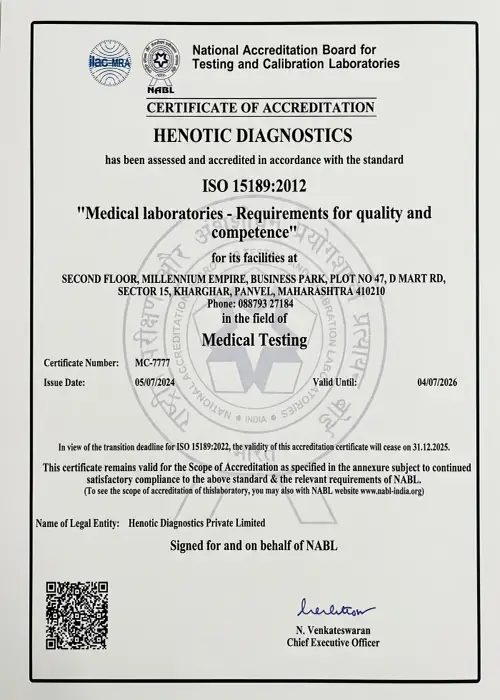
Read authentic patient experiences regarding communication, appointment scheduling, examination comfort, and digital report access at Henotic Diagnostics.
“I underwent an MRI spine scan at Henotic Diagnostics. The MRI room was clean, the staff explained the procedure clearly, and the digital report was delivered to my doctor promptly.”
“My doctor requested an abdominal ultrasound and Doppler study. The sonographer was gentle, efficient, and ensured my comfort throughout the examination.”
“The CT scan procedure was fast and well-coordinated. Receiving digital report access on my phone saved me an extra trip to collect physical films.”
“From phlebotomy blood collection to digital health checkup report generation, the entire diagnostic process was smooth, professional, and punctual.”
Visit or contact Henotic Diagnostics central corporate booking office for clinical inquiries, appointment scheduling, corporate health packages, and diagnostic reporting services.

Below are direct evidence-based answers to common questions regarding diagnostic investigations.
Medical diagnostics encompasses clinical laboratory testing, medical imaging, pathology, and functional physiological investigations used to evaluate health status, diagnose medical conditions, and monitor treatment responses.
The primary types include diagnostic imaging (MRI, CT, Ultrasound, PET-CT, Mammography), laboratory diagnostics (blood biochemistry, hematology, lipid profiles), pathology (biopsies, FNAC), cardiac diagnostics (ECG, Echo, TMT), pregnancy ultrasound scans, and genetic sequencing.
Screening tests evaluate asymptomatic individuals to detect early disease risk, whereas diagnostic tests investigate individuals with existing clinical symptoms or abnormal screening findings to establish a definitive diagnosis.
Fasting for 8 to 12 hours is generally required for glucose, lipid, and liver function panels. Water consumption is usually encouraged. Always follow specific instructions provided for your prescribed blood test.
Ultrasound and MRI use non-ionizing sound waves and magnetic fields with no radiation exposure. X-ray, CT, and PET-CT utilize low-dose radiation under strict diagnostic ALARA (As Low As Reasonably Achievable) safety protocols.
Routine blood laboratory results and basic digital X-rays are typically finalized within hours. Complex MRI, CT, biopsy histopathology, and genomic sequencing evaluations require detailed specialist review and processing time.
NIPT is a maternal blood test that analyzes cell-free fetal DNA circulating in maternal bloodstream to screen for chromosomal abnormalities such as Trisomy 21, 18, and 13 with high sensitivity.
FibroScan is a non-invasive transient elastography examination that measures liver tissue stiffness (in kPa) and fat accumulation (CAP) to evaluate hepatic fibrosis without needing a surgical needle biopsy.
While some tests provide definitive results, many medical conditions require correlated laboratory, anatomical imaging, and clinical findings to form a complete diagnostic picture.
Board-certified medical specialists—including radiologists, pathologists, clinical biochemists, and cardiologists—interpret raw images and laboratory data to author formal diagnostic reports for your attending physician.
Henotic Diagnostics designs its diagnostic infrastructure around patient comfort, clinical precision, safety, and seamless digital access. Modern medical diagnostics requires not only advanced diagnostic hardware but also an environment that reduces anxiety and ensures patient privacy.
The content on this Medical Diagnostics authority page is authored and clinically reviewed in alignment with established clinical practice guidelines and evidence-based diagnostic standards. Diagnostic testing procedures at Henotic Diagnostics are performed under standardized laboratory quality controls and medical protocol governance.
Navigate Henotic Diagnostics canonical service pages across our key diagnostic disciplines.
Get priority booking through our secure portal.