Loading Diagnostics...
Connecting to our secure server
Connecting to our secure server

Browse our comprehensive library of diagnostic capabilities. We provide over 200 NABL accredited radiology scans and automated clinical pathology investigations.

In fact, comprehensive ultrasound Ovulation Monitoring is a safe, painless, and highly accurate serial imaging procedure. Specifically, it tracks the growth of ovarian follicles, measures endometrial thickness, and pinpoints the precise timing of egg release. At Henotic Diagnostics, Kharghar, expert radiologists perform this essential fertility evaluation. Furthermore, we utilize state-of-the-art transvaginal sonography (TVS) and high-resolution pelvic ultrasound technology. As a result, doctors evaluate the exact growth rate of dominant egg follicles inside the ovaries. Consequently, this Ovarian Follicular Tracking Scan protocol helps couples trying to conceive (TTC) naturally and doctors managing ovulation induction, IUI, or IVF treatments. In addition, real-time follicular growth mapping optimizes timed intercourse and medication protocols. For instance, review reproductive ultrasound imaging guidelines from the International Society of Ultrasound in Obstetrics and Gynecology.

In general, Ovarian Follicular Tracking Scan (also referred to as an Ovulation Study, Follicular Study Ultrasound, or Follicle Tracking Ultrasound) is a series of short pelvic ultrasound scans performed across a woman’s menstrual cycle. Specifically, it measures the diameter of growing ovarian follicles, starting from a baseline scan up to follicular rupture. Essentially, this Transvaginal Ovarian Follicular Tracking Scan protocol uses high-frequency acoustic sound waves rather than ionizing radiation or dyes. In comparison, urine LH kits or blood hormonal assays alone cannot provide real-time physical confirmation of follicle growth or rupture. Therefore, ultrasound Ovarian Follicular Tracking Scan is completely safe and can be comfortably repeated across consecutive menstrual cycles. Additionally, it monitors the uterine lining (endometrium) to ensure it reaches an optimal triple-layer structure for embryo implantation. As a result, this monitoring provides a crucial diagnostic foundation for fertility care.

Overall, a comprehensive Ovarian Follicular Tracking Scan protocol checks all critical anatomical parameters required for successful conception:
Generally, fertility specialists recommend Ovarian Follicular Tracking Scan for women actively trying to achieve pregnancy. For instance, you should get scanned if you have been trying to conceive naturally for over 6 to 12 months without success. In addition, patients taking fertility medications like Clomiphene Citrate or Letrozole require serial monitoring to check medication response and avoid hyperstimulation. Moreover, structured Ovarian Follicular Tracking Scan is essential for women undergoing Intrauterine Insemination (IUI) or In Vitro Fertilization (IVF) cycles. Specifically, women with irregular menstrual cycles, Polycystic Ovarian Syndrome (PCOS/PCOD), or unexplained infertility benefit immensely. Furthermore, doctors prescribe this scan when previous miscarriages or luteal phase deficiencies are suspected.
In fact, gynecologists prescribe Ovulation Monitoring to optimize conception timing and evaluate ovarian health. Specifically, it pinpoints the fertile window for timed intercourse. In addition, it monitors ovarian response during fertility drug administration to prevent Ovarian Hyperstimulation Syndrome (OHSS). Furthermore, Ovulation Monitoring identifies subtle ovulatory disorders such as Luteinized Unruptured Follicle (LUF) syndrome. Consequently, it tracks infertility evaluation parameters with clinical precision.
Above all, physicians recommend Ovulation Monitoring for objective evidence of ovulation and tailored fertility management. Because home ovulation predictor kits (OPKs) measure urine LH surges without guaranteeing actual egg release, ultrasound tracking remains the gold standard. In fact, high-resolution transvaginal sonography visualizes internal follicle vascularity and egg sac collapse clearly. As a result, fertility specialists can schedule trigger injections (hCG) or IUI procedures with perfect timing. Therefore, Transvaginal Ovulation Monitoring significantly increases pregnancy success rates. For instance, these diagnostic standards align with clinical protocols from the Royal College of Obstetricians and Gynaecologists.
Ideally, women should schedule their baseline scan based on their gynecologist’s instructions. In fact, the initial scan usually takes place between Day 9 and Day 11 of the menstrual cycle. Similarly, follow-up tracking visits are scheduled every 24 to 48 hours depending on follicle growth rate. In addition, once the follicle reaches 18–22 mm, your doctor advises timed intercourse or trigger administration. Ultimately, a post-ovulation confirmation scan ensures the egg has been released properly.
Specifically, your gynecologist may advise Ovarian Follicular Tracking Scan if you experience specific reproductive triggers. For example, common signs include irregular menstrual periods, delayed cycles, or absence of ovulation (anovulation). Additionally, women experiencing hormonal imbalances, acne, or weight gains associated with PCOS should undergo tracking. Moreover, history of thin uterine lining or failed fertility cycles warrants serial scan evaluation. In addition, explore pelvic vascular details on our Advanced Uterine Artery Doppler Studies page.
In general, our imaging center provides specialized Ovulation Monitoring scanning packages:
In fact, Ovulation Monitoring accurately diagnoses various hidden causes of female infertility:
Above all, the Ovulation Monitoring procedure is safe, quick, non-invasive, and 100% radiation-free. In fact, women experience minimal discomfort during brief transvaginal scans. In addition, it provides real-time follicle measurements and visual confirmation of egg release. As a result, it is an affordable and indispensable tool in modern fertility care. Furthermore, gynecologists depend on it for maximizing natural and assisted conception success.
Generally, preparation for your Ovulation Monitoring depends on the type of scan requested. For example, for a Transvaginal Scan (TVS), an empty bladder is required, so you will be asked to pass urine right before scanning. Because transvaginal scanning uses a slim ultrasound probe covered with a sterile sheath and gel, wear comfortable two-piece clothing. Alternatively, if a transabdominal scan is planned, you must drink 3 to 4 glasses of water to maintain a full bladder. Additionally, each scan session takes only 10 to 15 minutes. In fact, remember to bring your previous scan reports and gynecologist referral prescription along.
In general, pricing for Ovulation Monitoring at Henotic Diagnostics remains transparent and affordable.
| Ovulation Monitoring Service | Approximate Cost (₹) |
|---|---|
| Single Session Transvaginal Ovulation Monitoring (TVS) | ₹600 – ₹900 |
| Complete Serial Ovulation Monitoring Package (3 to 5 Visits per Cycle) | ₹2,000 – ₹3,000 |
| Combined Ovulation Monitoring & Uterine Artery Doppler Profile | ₹2,500 – ₹3,500 |
| Transabdominal Ovulation Tracking Scan | ₹700 – ₹1,000 |
In comparison, Ovulation Monitoring involves multiple serial ultrasound scans performed across several days of a single cycle to monitor dynamic follicle maturation and rupture. Whereas, a standard pelvic ultrasound is a one-time examination that evaluates static pelvic anatomy, uterus size, fibroids, or ovarian cysts. Consequently, Ovulation Monitoring is preferred for fertility planning and ovulation tracking. In contrast, routine pelvic sonography alone cannot pinpoint the exact day of egg release or monitor daily follicle growth rates. For instance, learn more in the AIUM Practice Guideline for the Performance of Pelvic Ultrasound Examinations.
In fact, Ovulation Monitoring is completely non-invasive, radiation-free, and safe. Specifically, transvaginal sonography (TVS) uses a smooth, slim probe with sterile gel which causes minimal to no discomfort. Occasionally, mild pressure is felt as the sonographer visualizes the ovaries.
In general, baseline scanning for Ovulation Monitoring begins between Day 9 and Day 11 of your menstrual cycle (Day 1 being the first day of period bleeding). Alternatively, your doctor may recommend a Day 2 or Day 3 baseline scan to check antral follicle count before starting fertility medication.
Typically, a full study requires 3 to 5 short scan visits spaced 1 to 2 days apart within one menstrual cycle. In addition, visits continue until follicle rupture and ovulation are confirmed.
Specifically, at Henotic Diagnostics, verified Ovulation Monitoring tracking sheets and digital images are provided immediately after each scan visit so your fertility specialist can guide your care in real time.
|
|
||||||
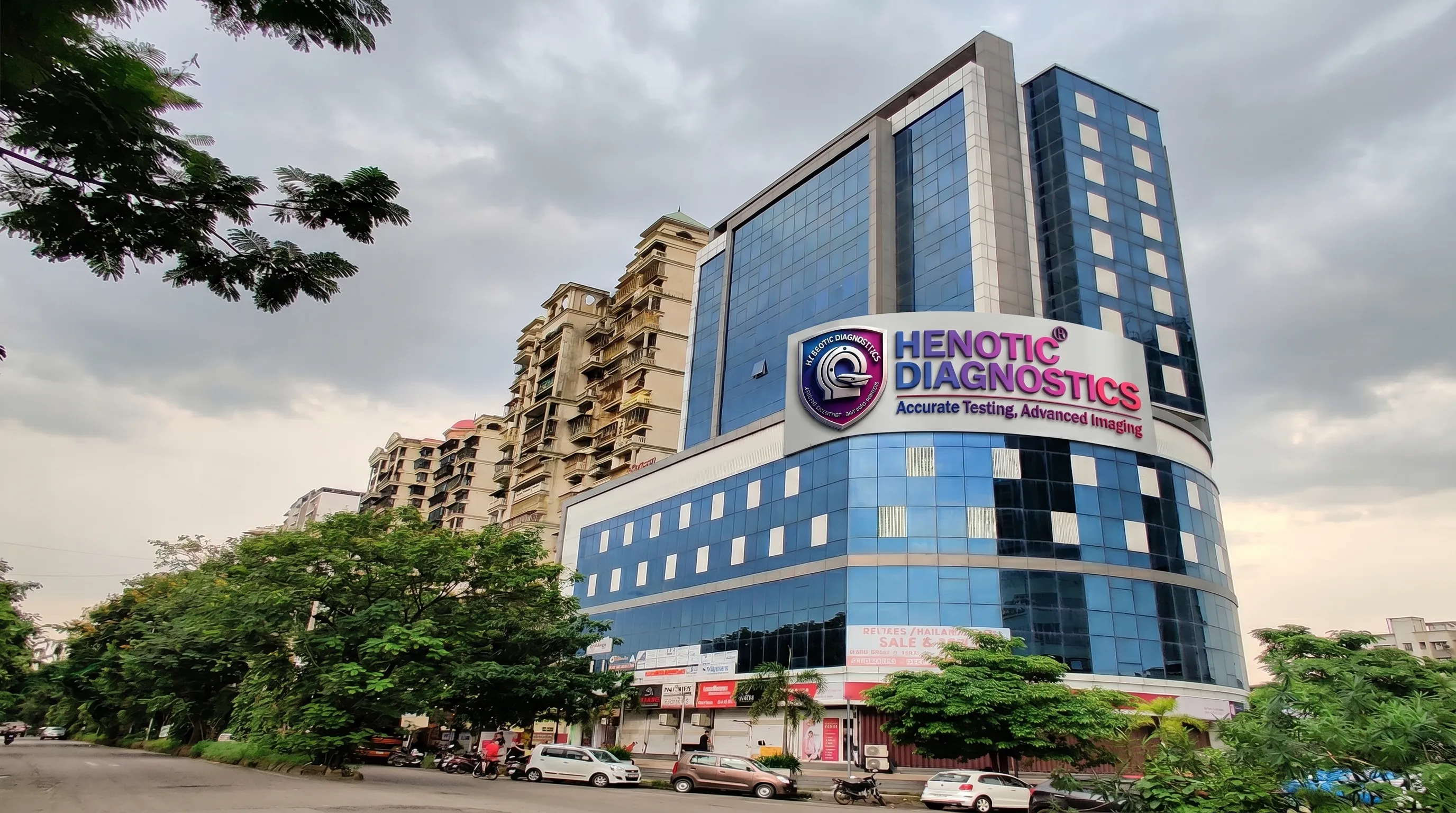
In fact, our diagnostic facility in Kharghar features high-end Ovulation Monitoring ultrasound scanners and specialized TVS probes. Additionally, we maintain strict hygiene standards, complete patient privacy, and prompt report generation.
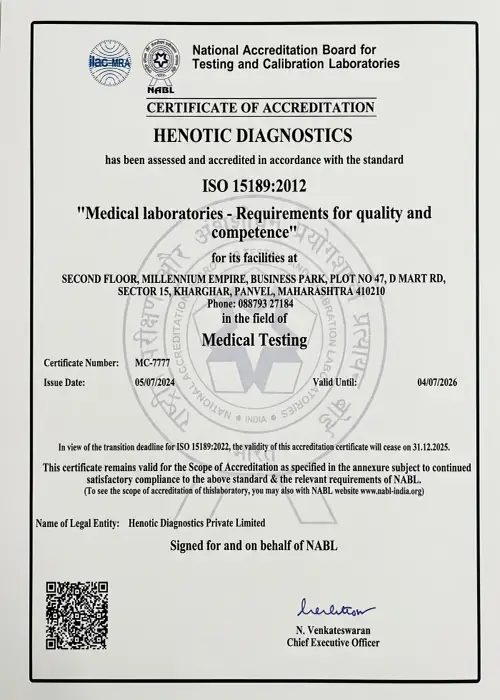
Address: Second floor, Millennium Empire, Business Park, Plot No 47, D Mart Rd, Sector 15, Kharghar, Navi Mumbai, Panvel, Maharashtra 410210.
Phone: 088793 27184
⭐⭐⭐⭐⭐
“Extremely smooth experience for my Ovulation Monitoring tracking! Dr. Pratibha Patil explained the follicle growth pattern clearly during every visit. The clinic environment is very supportive for women undergoing fertility treatments.”
⭐⭐⭐⭐⭐
“Very fast tracking appointments with zero wait time. Reports were handed over immediately after each scan visit to show my doctor. Highly recommended diagnostic center in Kharghar!”
In fact, Henotic Diagnostics provides advanced Ovulation Monitoring ultrasound imaging in Kharghar. Above all, our experienced diagnostic team prioritizes accuracy, gentle care, and patient confidentiality. Consequently, we deliver immediate serial scan updates to streamline your fertility journey.
If you need an Ovulation Monitoring scan package, do not delay your tracking schedule.
Call 088793 27184 to book your appointment slot.
Alternatively, explore our full range of diagnostic ultrasound services online.
|
Get priority booking through our secure portal.