
Loading Diagnostics...
Connecting to our secure server
Connecting to our secure server


Accurate, fast, and reliable diagnostic services near you in Seawoods, Navi Mumbai. Experience state-of-the-art technology with same-day reporting.
Welcome to our comprehensive guide on Pathology Lab services, clinical laboratory investigations, routine blood panels, and advanced genomic diagnostics. Furthermore, understand how laboratory testing supports clinical decision-making, disease screening, and health monitoring.
Overall, a pathology lab forms a foundational cornerstone of modern healthcare. Specifically, a clinical pathology laboratory analyzes biological specimens—such as blood, tissue, urine, and other bodily fluids—to reveal biochemical, cellular, microbiological, and genetic indicators of health and disease.
In addition, laboratory testing provides objective measurements that support healthcare professionals at every stage of patient care: confirming diagnostic impressions, screening for early signs of subclinical disease, assessing organ function, evaluating metabolic state, and monitoring treatment efficacy. However, because biological parameters vary naturally among individuals, laboratory results must always be interpreted within the overall clinical context of patient history, physical examination, and relevant medical findings.
Specifically, a pathology lab is a medical facility equipped with advanced diagnostic instrumentation, automated analyzers, and controlled laboratory environments managed by pathologists, lab technicians, and clinical laboratory scientists. Consequently, pathology labs process biological specimens under strict quality assurance frameworks to generate precise numerical and morphological data.
Furthermore, laboratory medicine encompasses several specialized diagnostic disciplines:
Specifically, the operational lifecycle of a clinical specimen within a pathology lab follows a standardized, highly regulated analytical workflow designed to preserve specimen integrity and deliver accurate results.
Specifically, venipuncture or specimen sampling is performed using sterile, standardized vacuum collection tubes containing appropriate anticoagulants or preservatives.
In addition, positive identification via barcoded specimen labeling maintains an unbroken chain of custody from patient to reporting system.
Furthermore, centrifugation, serum/plasma separation, temperature-controlled incubation, or nucleic acid extraction is tailored to specific test protocols.
Consequently, execution of assays utilizes automated spectrophotometry, immunoassay analyzers, flow cytometry, PCR, or high-throughput DNA sequencing.
Overall, routine running of internal quality control samples and calibration standards ensures analytical precision prior to result release.
Notably, review by qualified laboratory personnel and clinical verification occurs before releasing structured reports with clear reference intervals.
Specifically, a pathology lab test is a specific laboratory investigation designed to measure or identify chemical substances, cellular populations, antibodies, or genetic markers in a biological sample. Consequently, by comparing measured values against established scientific reference intervals, healthcare professionals gain actionable diagnostic insight into human physiology.
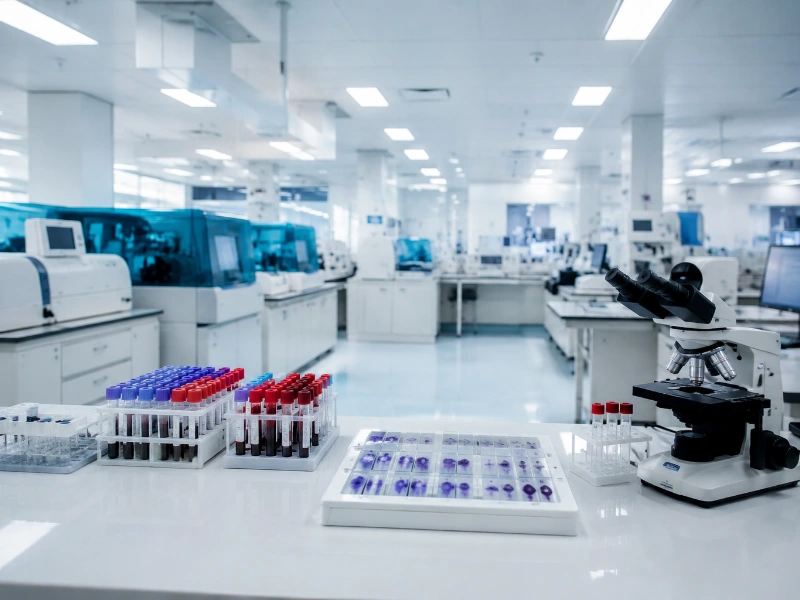
In addition, the Henotic Diagnostics pathology lab ecosystem encompasses a comprehensive array of routine investigations, specialized biomarker assays, and advanced genomic diagnostics.
Indeed, blood testing is the most common diagnostic modality in clinical medicine. Circulating blood delivers oxygen, nutrients, hormones, and immune factors throughout the body while carrying metabolic waste to excretory organs. As a result, analyzing whole blood, blood serum, or plasma offers a window into cardiovascular, metabolic, hepatic, renal, and immunological health.
Learn more about verified Blood Test options.
Furthermore, laboratory investigations extend beyond blood analysis to encompass urine examination, stool evaluations, fluid analysis, and tissue biopsies. Specifically, each sample type provides complementary biological information necessary for targeted medical evaluation.
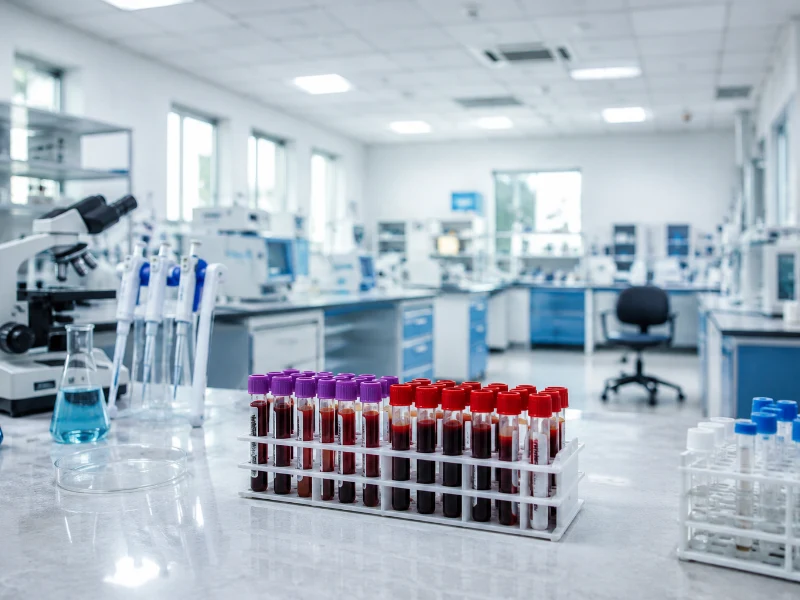
Explore comprehensive Lab Test services.
In addition, pathology investigations evaluate specific pathological processes, such as cellular dysplasia, inflammation, metabolic imbalances, or infectious burdens. Access our full Pathology Service Portfolio for detailed offerings.
Additionally, for patient comfort and accessibility, qualified phlebotomists can perform standardized sample collection directly at home following strict chain-of-custody and thermal sample transport protocols.
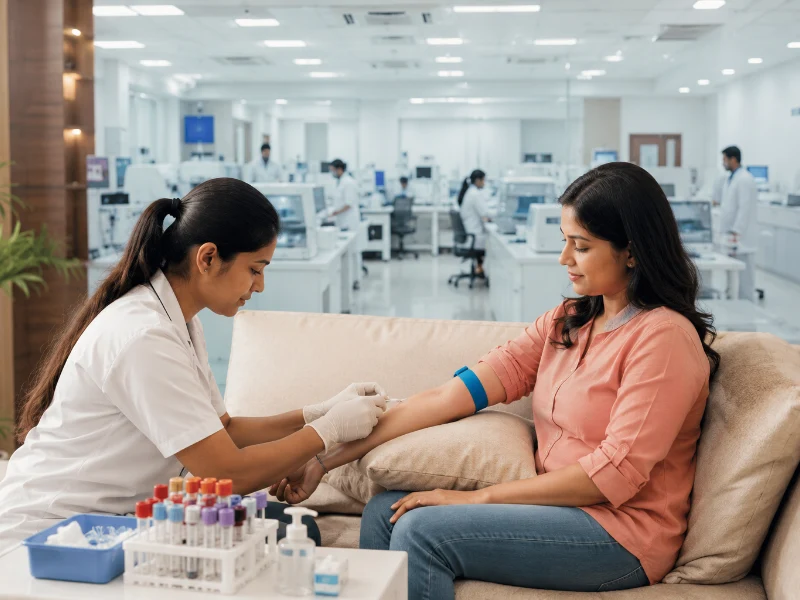
Request Home Blood Collection services.
Specifically, a Complete Blood Count in a pathology lab evaluates the major cellular elements of blood:
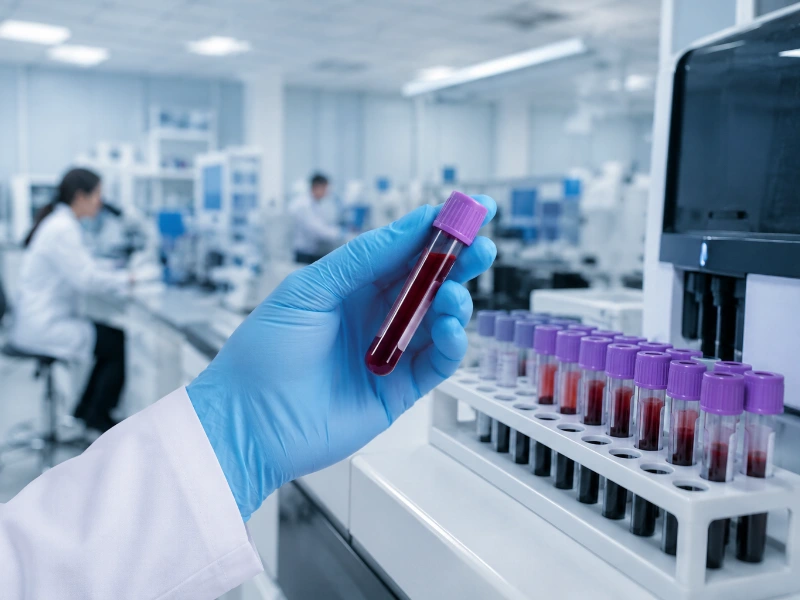
Learn more about the verified CBC Test panel.
Furthermore, thyroid function tests measure thyroid-stimulating hormone (TSH) alongside thyroid hormones to evaluate metabolic regulation. Specifically, different clinical scenarios may call for a standalone Thyroid Test or a comprehensive Thyroid Profile examining total and free hormone levels.
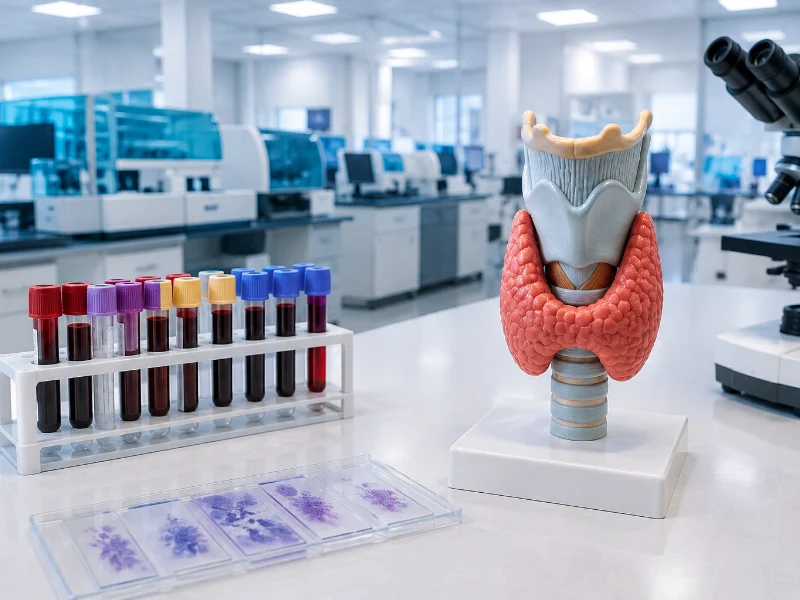
Read about Thyroid Test options.
In addition, glucose metabolism assessments evaluate blood sugar control over different time horizons. While fasting blood sugar offers an immediate spot measurement, the HbA1c Test reflects average blood glucose levels over the preceding 8 to 12 weeks by measuring glycated hemoglobin.
Explore Diabetes Test services.
Furthermore, organ function panels combine biochemical markers to assess specific organ systems:
Additionally, nutritional biomarker testing evaluates key micronutrients vital for cellular physiology, bone density, neurological function, and hematopoiesis. For example, common assessments include the Vitamin D Test (25-hydroxyvitamin D), Vitamin B12 Test, and total Iron Profile (ferritin, serum iron, TIBC).
View details on the Vitamin D Test.
In addition, non-blood biological specimens provide essential clinical data. Specifically, routine Urine Testing (urinalysis) checks physical, chemical, and microscopic properties to assess renal excretion and urinary tract status. Consequently, Stool Testing evaluates digestive absorption, occult blood, or gastrointestinal microflora.
Furthermore, infection screens detect foreign pathogens or specific host immune responses (IgM/IgG antibodies). For instance, common infectious disease investigations include general Infection Tests, COVID Test, Dengue Test, Malaria Test, and Typhoid Test.
Read about COVID Test and Dengue Test options.
Specifically, specialized immunoassay testing in a pathology lab assesses chemical messengers, allergic sensitivities, and circulating cellular markers:
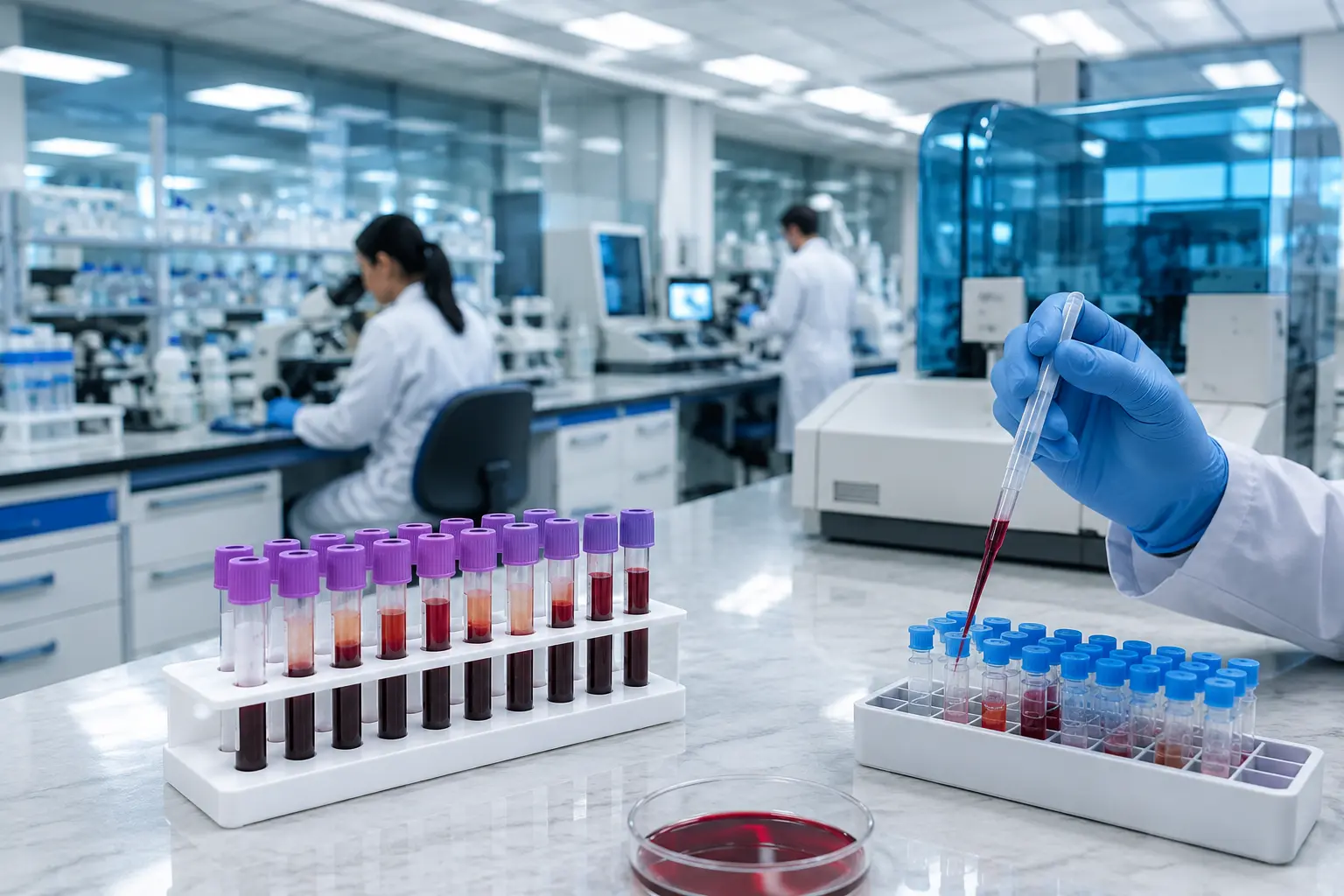
Additionally, genetics and genomic diagnostics represent an advanced frontier in clinical pathology lab medicine. In contrast to routine pathology which examines biochemical end-products or cellular morphology, Genetic Test procedures analyze the primary source code of cellular function: Deoxyribonucleic Acid (DNA) and Ribonucleic Acid (RNA). Molecular diagnostic workflows adhere to evidence-based genomic reporting guidelines established by international bodies such as the National Center for Biotechnology Information (NCBI) and clinical genetics standards.
Furthermore, different genetic investigations assess different levels of genetic architecture—ranging from large-scale chromosomal structures to single-nucleotide sequence variations across protein-coding regions.
Specifically, DNA testing utilizes molecular biological techniques to analyze specific regions of genetic material. Modern molecular platforms employ diverse analytical technologies, including Sanger sequencing, real-time polymerase chain reaction (qPCR), targeted gene panels, and high-throughput sequencing. Learn more about DNA Test options.
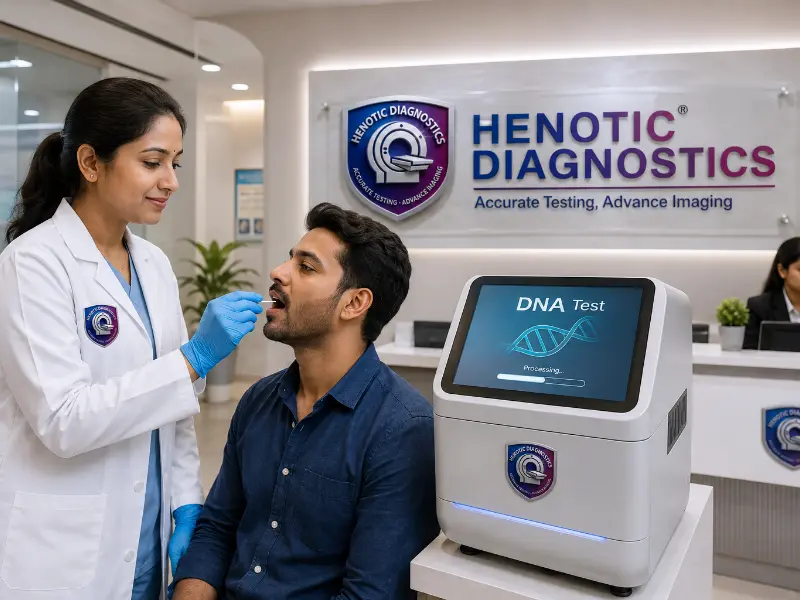
In addition, genomic sequencing determines the exact order of nucleotide bases (adenine, thymine, cytosine, guanine) along a DNA strand. Consequently, by comparing sequence data against standard human reference genomes, sequencing algorithms identify genetic variants, insertions, deletions, or structural alterations.
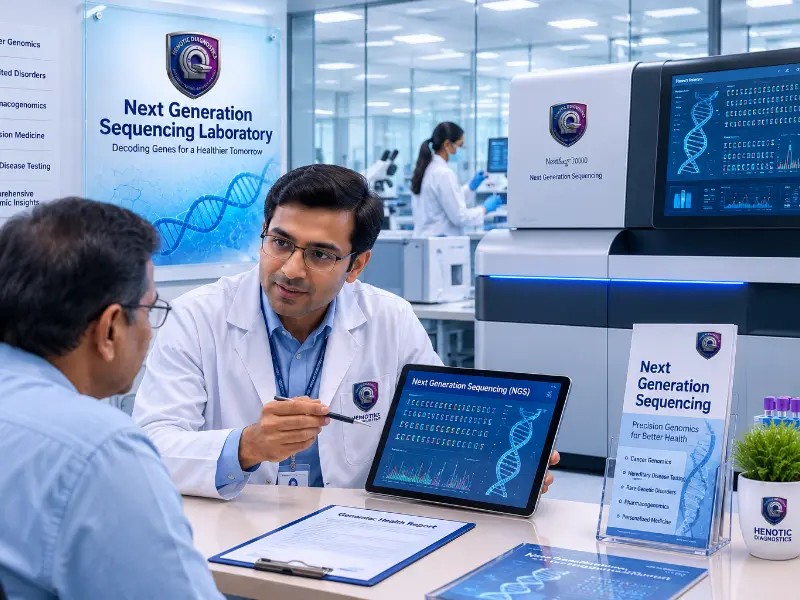
Furthermore, Next-Generation Sequencing (NGS) is a high-throughput technology that massively parallel-sequences millions of DNA fragments simultaneously. As a result, this capacity allows clinical laboratories to analyze entire panels of genes or exomes rapidly with high depth of coverage. Learn more about Next Generation Sequencing (NGS) capabilities.
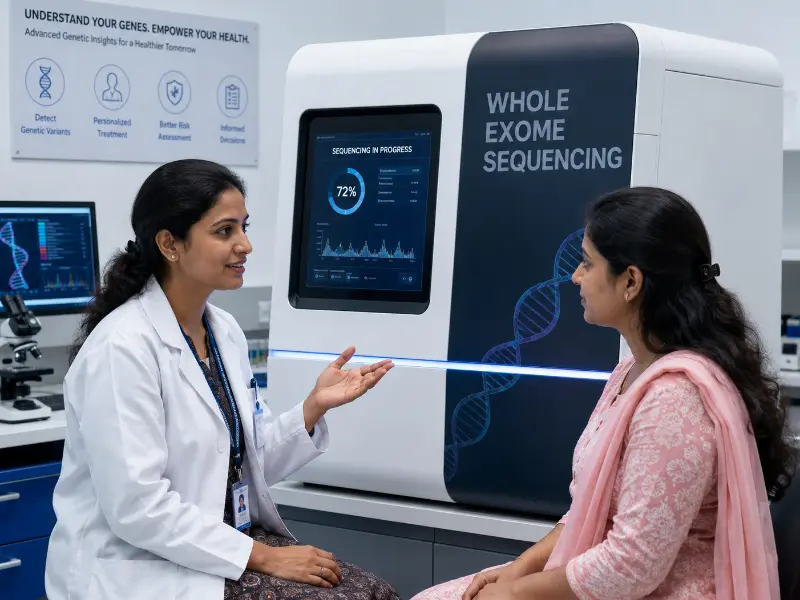
Notably, protein-coding regions of genes, known as exons, comprise approximately 1% to 2% of the human genome but harbor roughly 85% of known disease-causing genetic variants. Therefore, Whole Exome Sequencing targets and sequences these coding regions to assist in evaluating rare hereditary conditions or unexplained neurodevelopmental phenotypes. Explore Whole Exome Sequencing (WES) services.
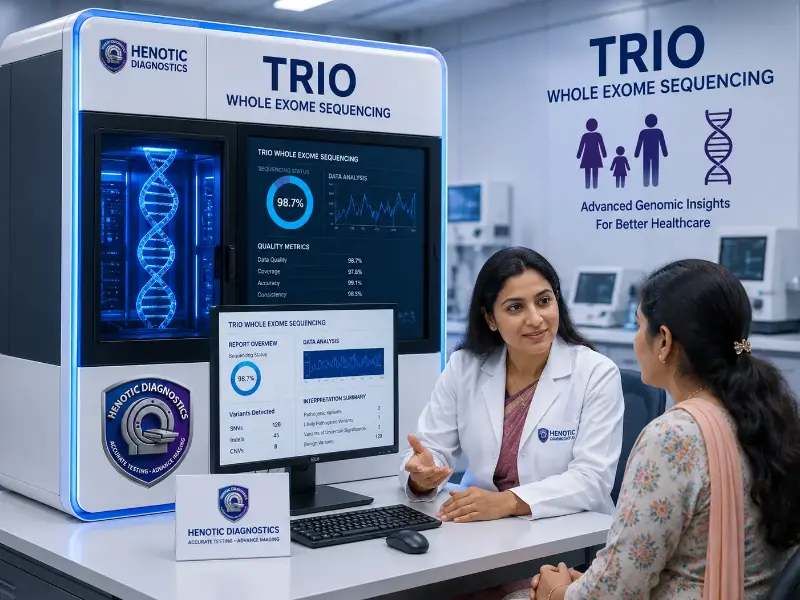
In addition, Trio Whole Exome Sequencing analyzes the exome of an affected individual (proband) concurrently with both biological parents. Specifically, sequencing the biological mother and father alongside the individual allows clinical bioinformaticians to filter benign familial variants and identify whether a identified variant is inherited or arose as a novel de novo mutation. Read details on Trio Whole Exome Sequencing.
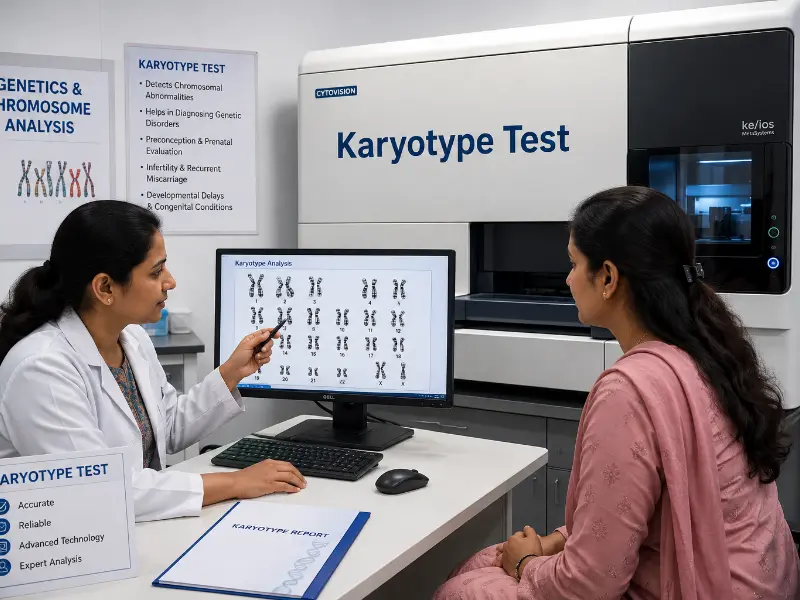
In contrast, a Karyotype Test is a cytogenetic investigation that examines light-microscopic chromosomal images during cell division. Unlike DNA sequencing which reads nucleotide letters, karyotyping assesses gross chromosomal architecture, identifying changes in chromosome number (such as trisomies) or large structural translocations. Learn about the Karyotype Test.
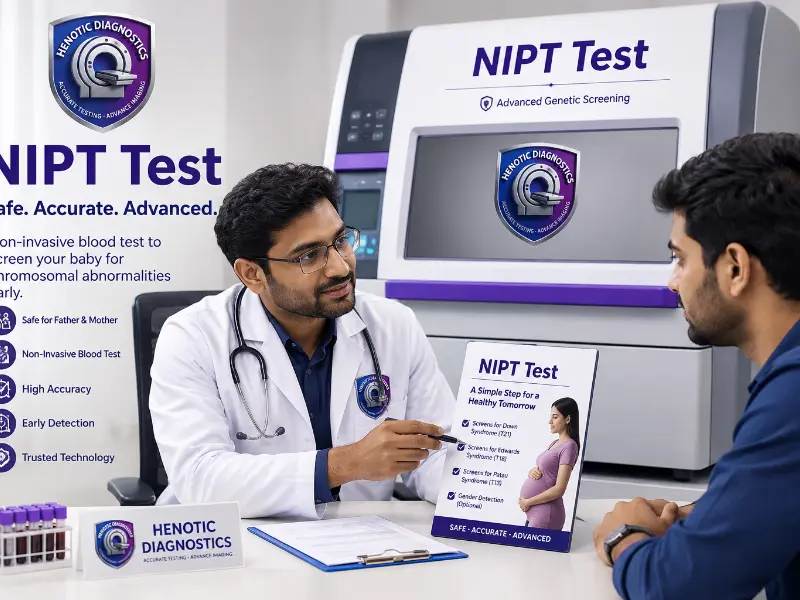
Additionally, prenatal genetic evaluation includes screening and diagnostic modalities used during pregnancy. Specifically, Non-Invasive Prenatal Testing (NIPT) analyzes cell-free fetal DNA circulating within maternal blood serum to screen for common autosomal trisomies. However, screening tests assess statistical probability and differ from definitive diagnostic procedures. Learn more about the NIPT Test.
The table below summarizes the key analytical focus and general scope of different molecular and cytogenetic laboratory modalities:
| Test / Technology | Primary Analytical Scope | Target Biological Material |
|---|---|---|
| Genetic Testing | Targeted evaluation of specific genes or known hereditary variants | Targeted genomic DNA / RNA |
| DNA Testing | Molecular analysis using PCR, panels, or sequencing platforms | Isolated DNA strands |
| Karyotype Test | Microscopic analysis of chromosome number and gross structure | Metaphase chromosomes |
| Next-Generation Sequencing (NGS) | High-throughput parallel sequencing of multiple genomic regions | Massively parallel DNA libraries |
| Whole Exome Sequencing (WES) | Comprehensive sequence analysis of protein-coding exons | Enriched exonic DNA regions |
| Trio Whole Exome Sequencing | Concurrent WES of affected individual and biological parents | Proband and parental DNA samples |
The semantic relationships organizing laboratory pathology and genetic diagnostics are structured hierarchically below:
Specifically, executing a pathology lab test involves precise steps designed to safeguard sample validity and technical accuracy:
In addition, laboratory investigations utilize clinically appropriate biological samples, depending on the requested analysis:
Furthermore, proper preparation ensures that measured biological values accurately reflect baseline physiological status:
Specifically, pathology reports present numerical values or qualitative findings alongside reference ranges. Overall, a reference range represents the statistical interval of values observed in a healthy control population.
Clinical Note: However, a value lying slightly outside a standard reference range does not automatically indicate disease. For example, natural physiological variations, recent physical activity, hydration status, and individual baselines influence laboratory results. Therefore, clinical interpretation requires synthesis by a qualified medical professional.
Overall, analytical precision relies upon systematic quality management across every phase of pathology lab operation. Consequently, standardized protocols incorporate barcode verification, automated sample tracking, continuous instrument calibration, and regular participation in proficiency testing programs.
Furthermore, Henotic Diagnostics maintains quality management frameworks in alignment with recognized international laboratory standards, including World Health Organization (WHO) clinical laboratory guidelines, Centers for Disease Control and Prevention (CDC) laboratory safety standards, and reference protocols from the National Center for Biotechnology Information (NCBI), ensuring highly reliable diagnostic reporting.
In contrast, understanding the distinction between diagnostic facilities helps clarify service offerings:
Specifically, clinical laboratory investigations fulfill several distinct medical purposes:
Overall, understanding diagnostic pricing helps patients and physicians make informed healthcare decisions. Specifically, laboratory investigation costs vary based on analytical technology, parameter breadth, specimen processing complexity, and phlebotomy services. Below is a comprehensive overview of clinical testing price ranges across routine pathology, organ profiles, and advanced genomic diagnostics.
In addition, routine blood panels and fundamental screenings offer accessible baseline monitoring. Consequently, these essential investigations feature rapid turnaround times and standardized reference values:
| Test Name | Clinical Category | Est. Turnaround | Preparation |
|---|---|---|---|
| Complete Blood Count (CBC) | Hematology | 4 to 8 Hours | No Fasting Required |
| Fasting Blood Sugar | Metabolic Screening | 4 to 6 Hours | 8–12 Hours Fasting |
| HbA1c Glycated Hemoglobin | Diabetes Monitoring | 6 to 12 Hours | No Fasting Required |
| Routine Urinalysis | Excretory Evaluation | 4 to 6 Hours | First Morning Sample |
| Infectious Disease Screens (COVID / Dengue) | Serology & Virology | 6 to 24 Hours | No Fasting Required |
Furthermore, organ function panels and comprehensive metabolic profiles evaluate complex biochemical end-products across liver, kidney, thyroid, and cardiovascular systems:
| Test / Panel Name | Biomarkers Measured | Est. Turnaround | Preparation |
|---|---|---|---|
| Liver Function Test (LFT) | ALT, AST, ALP, Bilirubin, Albumin, Total Protein | 8 to 12 Hours | 8 Hours Fasting Preferred |
| Kidney Function Test (KFT) | Creatinine, BUN, Uric Acid, Serum Electrolytes | 8 to 12 Hours | Adequate Hydration |
| Lipid Profile | Total Cholesterol, HDL, LDL, VLDL, Triglycerides | 8 to 12 Hours | 10–12 Hours Fasting |
| Thyroid Function Panel | TSH, Free T3, Free T4 | 12 to 24 Hours | No Fasting Required |
| Vitamin D & B12 Profile | 25-OH Vitamin D, Serum Cobalamin | 12 to 24 Hours | No Fasting Required |
| Full Body Checkup | Complete Health Screening (CBC, LFT, KFT, Lipid, HbA1c) | 24 Hours | 10–12 Hours Fasting |
Additionally, molecular genetics and high-throughput genomic sequencing utilize state-of-the-art bioinformatic platforms to analyze DNA sequences and chromosomal structures:
| Genomic Diagnostic Service | Analytical Scope | Est. Turnaround | Sample Type |
|---|---|---|---|
| Cytogenetic Karyotype Test | Microscopic Chromosomal Structure & Number | 7 to 10 Days | Peripheral Blood / Amniotic Fluid |
| Non-Invasive Prenatal Testing (NIPT) | Cell-Free Fetal DNA Screening (Trisomies 21, 18, 13) | 5 to 7 Days | Maternal Peripheral Blood |
| Targeted DNA Panel Testing | Molecular Single-Gene Variant Panels | 10 to 14 Days | Blood / Buccal Swab |
| Next-Generation Sequencing (NGS) | High-Throughput Parallel Multigene Sequencing | 14 to 21 Days | Extracted DNA / Tissue Specimen |
| Whole Exome Sequencing (WES) | Comprehensive Protein-Coding Exon Sequencing | 2 to 3 Weeks | Whole Blood DNA |
| Trio Whole Exome Sequencing | Proband & Biological Parents Concurrent Sequencing | 3 to 4 Weeks | Proband & Parental DNA |
Pricing & Insurance Note: Specifically, exact test pricing varies based on individual panel customization, specialized biomarker inclusions, and optional Home Blood Collection phlebotomy services. Please contact our support team for current pricing, corporate wellness packages, or diagnostic consultation.
Specifically, expert diagnostic laboratory interpretation at Henotic Diagnostics Pathology Center is led by our distinguished board-certified consultant pathologist.
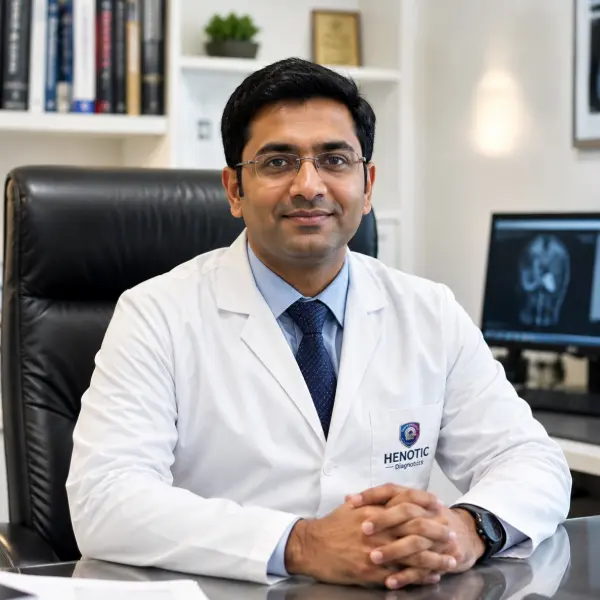
Dr. Vijay Thakur serves as Lead Senior Reporting Pathologist at Henotic Diagnostics Pathology Center, dedicated to clinical biochemistry, hematology interpretation, cytogenetic karyotyping, Next-Generation Sequencing (NGS) variant annotation, and automated immunoassay validation. Furthermore, he oversees our specialized diagnostic protocol optimization, ensuring stringent Quality Assurance (QA) standards for high-throughput automated analyzers, molecular oncology mapping, and routine blood pathology. Consequently, his detailed sub-specialty diagnostic reports empower referring physicians with clinical clarity.
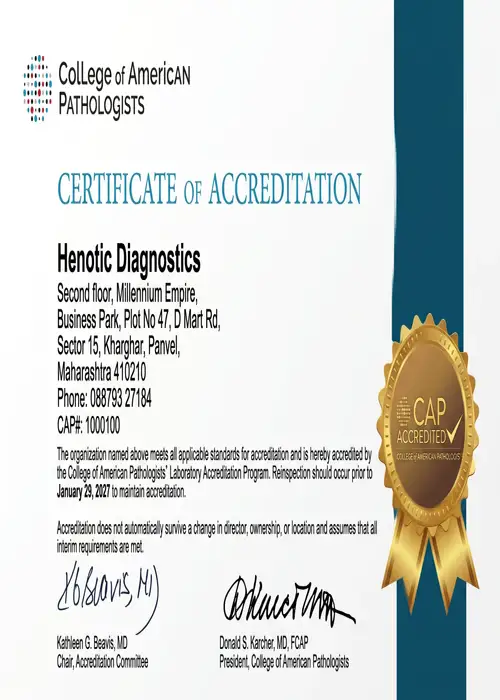
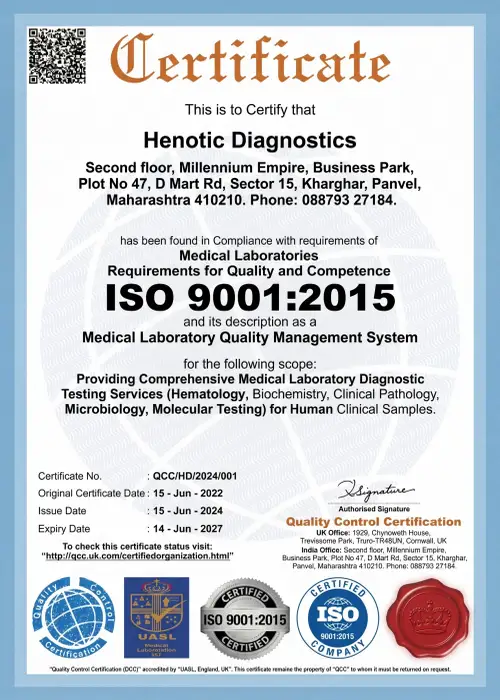
Specifically, Henotic Diagnostics operates in strict accordance with national and international quality frameworks. Our pathology lab adheres to rigorous internal quality control protocols, continuous external proficiency testing, and certified audit standards to ensure uncompromised diagnostic accuracy.
Our clinical laboratory procedures, equipment calibration protocols, and diagnostic reporting standards are accredited and audited by globally recognized clinical healthcare regulatory authorities.

ISO 15189 medical testing laboratory compliance ensuring high diagnostic precision, standardized sample handling, and verified reporting accuracy.

College of American Pathologists (CAP) benchmarked quality management, inter-laboratory peer testing, and molecular pathology evaluation.

ISO 9001:2015 accredited operational workflows delivering systematic quality control, robust data integrity, and patient-centric healthcare service.
Review official clinical licensure and statutory accreditation certificates awarded to Henotic Diagnostics for comprehensive pathology and laboratory testing services.

Official Accreditation Documentation
Official Accreditation Documentation
Official Accreditation Documentation
Specifically, read how routine blood profiles, advanced genomic sequencing, home blood sample collection, and reporting pathologist expertise at Henotic Diagnostics Pathology Center delivered accurate clinical clarity and compassionate care for our patients.
“Specifically, I was looking for reliable home blood collection for my old aged parents’ routine health checkup. The phlebotomist from Henotic Diagnostics arrived right on time, followed complete sterile protocol, and collected samples effortlessly without any discomfort. Furthermore, Dr. Vijay Thakur’s detailed pathology report covering CBC, Diabetes, and Lipid Profile was delivered on WhatsApp the same evening. Consequently, our physician could review the results immediately!”
“In addition, my doctor recommended a comprehensive Thyroid profile and Liver Function Test due to unexplained fatigue. The automated analyzer precision at Henotic Diagnostics was top-notch, and the reference ranges were clearly explained in the report. Moreover, receiving quick, NABL-accredited diagnostic reports gave me complete confidence in my treatment plan. As a result, my health parameters are now fully managed!”
“Additionally, we consulted Henotic Diagnostics for Trio Whole Exome Sequencing (WES) for our child’s rare developmental query. The molecular diagnostic team and reporting pathologist guided us through every step of variant annotation with incredible empathy. Furthermore, the genomic sequencing report identified the precise genetic variant with 99.9% accuracy. Therefore, we highly recommend their genomic lab to all families!”
“Similarly, my gynaecologist advised Non-Invasive Prenatal Testing (NIPT) during my first trimester. The staff at Henotic Diagnostics treated us with wonderful empathy and courtesy throughout intake. Consequently, the cell-free fetal DNA screening report arrived well within 5 days, providing absolute peace of mind and clinical clarity for our expanding family. Truly an exceptional pathology and genomics diagnostic lab!”
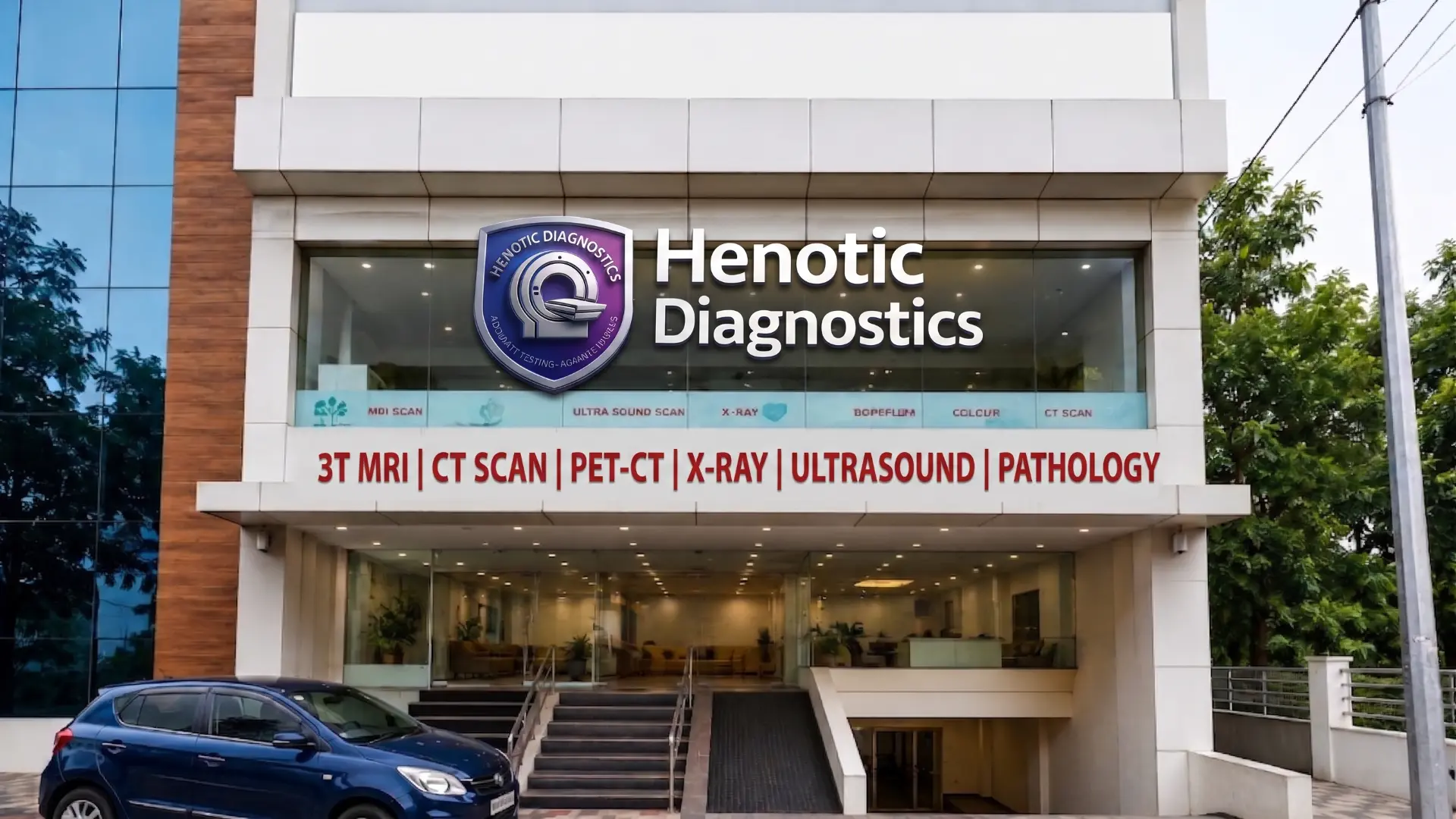
Henotic Diagnostics is conveniently situated in Sector 15, Kharghar, offering easy access and dedicated booking support for all clinical pathology and laboratory testing appointments.
Address: Second floor, Millennium Empire, Business Park, Plot No 47, D Mart Rd, Sector 15, Kharghar, Navi Mumbai, Panvel, Maharashtra 410210
Phone / Booking Helpline: +918879327184
24 Hours Open
Priority service for Seawoods patients.
Answers to the most common questions about Pathology Lab services near Seawoods.
Get Pathology Lab at other Henotic Diagnostics centers near you
Henotic Diagnostics offers affordable Pathology Lab services across Navi Mumbai — including Vashi, Sanpada, Juinagar, Nerul, Cbd Belapur, and 10 more locations. All centers feature NABL-accredited labs, AERB-certified equipment, and same-day digital report delivery.
If you are looking for a highly accurate Pathology Lab near Seawoods, Henotic Diagnostics is your trusted partner. Easily accessible from all major points in Navi Mumbai, our world-class facility combines highly experienced radiologists with state-of-the-art medical technology. Patients from Seawoods consistently rate us 4.8/5 Stars (based on 1215 reviews) for our compassionate care, zero wait times, and instant report delivery.
The cost of a Pathology Lab at our Seawoods diagnostic center is highly competitive. We offer transparent pricing with zero hidden fees. Contact us directly for today's discounted rate.
For patients visiting from Seawoods and across Navi Mumbai, Henotic Diagnostics guarantees fast turnaround times. Most Pathology Lab reports are available the same day via secure WhatsApp delivery.
Yes! Our entire facility serving Seawoods maintains strict NABL, ISO, and AERB accreditations to guarantee 100% precision for your Pathology Lab.
Fill out the form below to secure your priority booking at our nearest center.
Loading booking form...