Loading Diagnostics...
Connecting to our secure server
Connecting to our secure server


Accurate, fast, and reliable diagnostic services near you in Baner, Pune. Experience state-of-the-art technology with same-day reporting.
To begin with, A diagnostic lab is a healthcare laboratory where biological specimens are collected, processed and analyzed in order to produce accurate diagnostic results. Furthermore, our diagnostic lab at Henotic Diagnostics is a specialized clinical center supporting disease screening, early diagnosis, therapeutic monitoring, as well as clinical decision-making.
In order to deliver complete accuracy, Henotic Diagnostics provides high-throughput, precision laboratory testing spanning routine hematology, biochemical profiling, clinical pathology, microbiology, molecular diagnostics, and genomic sequencing under accredited quality standards. Because quality assurance is paramount, every report undergoes multi-tier validation.
First of all, a diagnostic laboratory is a specialized medical facility equipped with clinical instrumentation, analytical reagents, and automated platforms to analyze biological specimens. Consequently, the primary objective is to extract quantifiable biomarker parameters that assist clinicians in evaluating organ health, detecting cellular abnormalities, confirming diagnoses, as well as monitoring therapeutic interventions.
To illustrate, biological specimens include whole blood, serum, plasma, urine, stool, tissue biopsies, buccal swabs, and fluid aspirates collected under controlled protocols.
Furthermore, testing methodologies leverage automated spectrophotometry, immunoassay analyzers, flow cytometry, PCR amplification, and next-generation sequencing.
As a result, laboratory findings deliver objective parameters that enable early screening, definitive disease diagnosis, clinical risk stratification, as well as continuous patient monitoring.
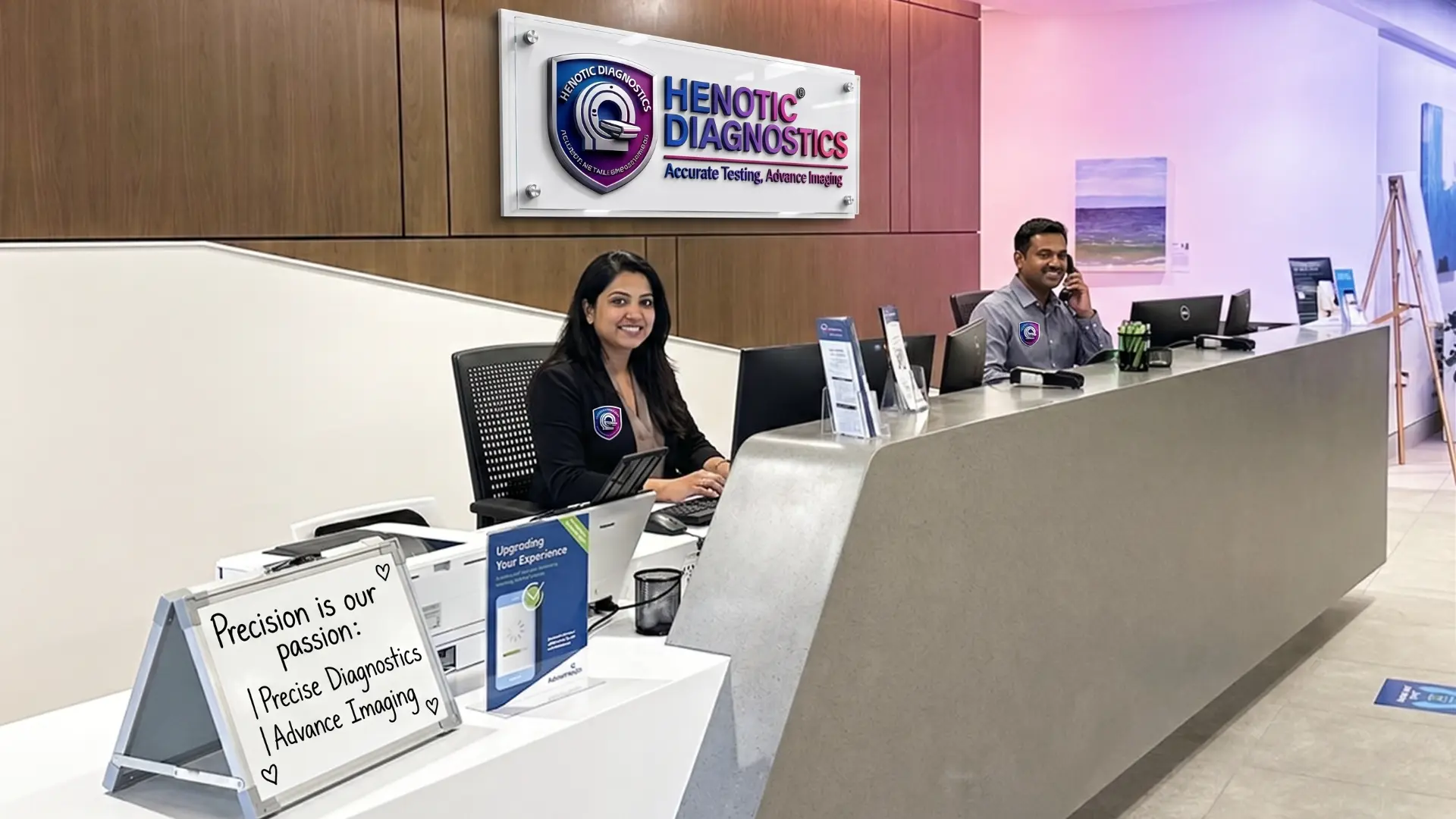
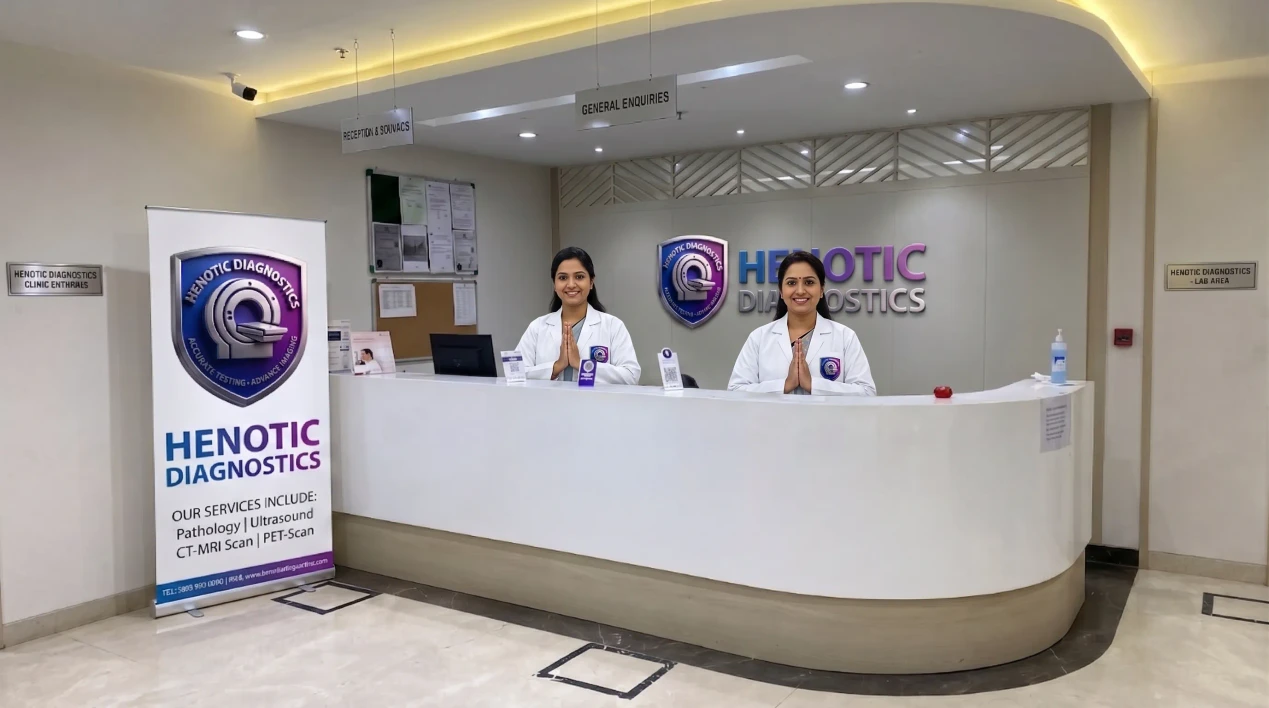
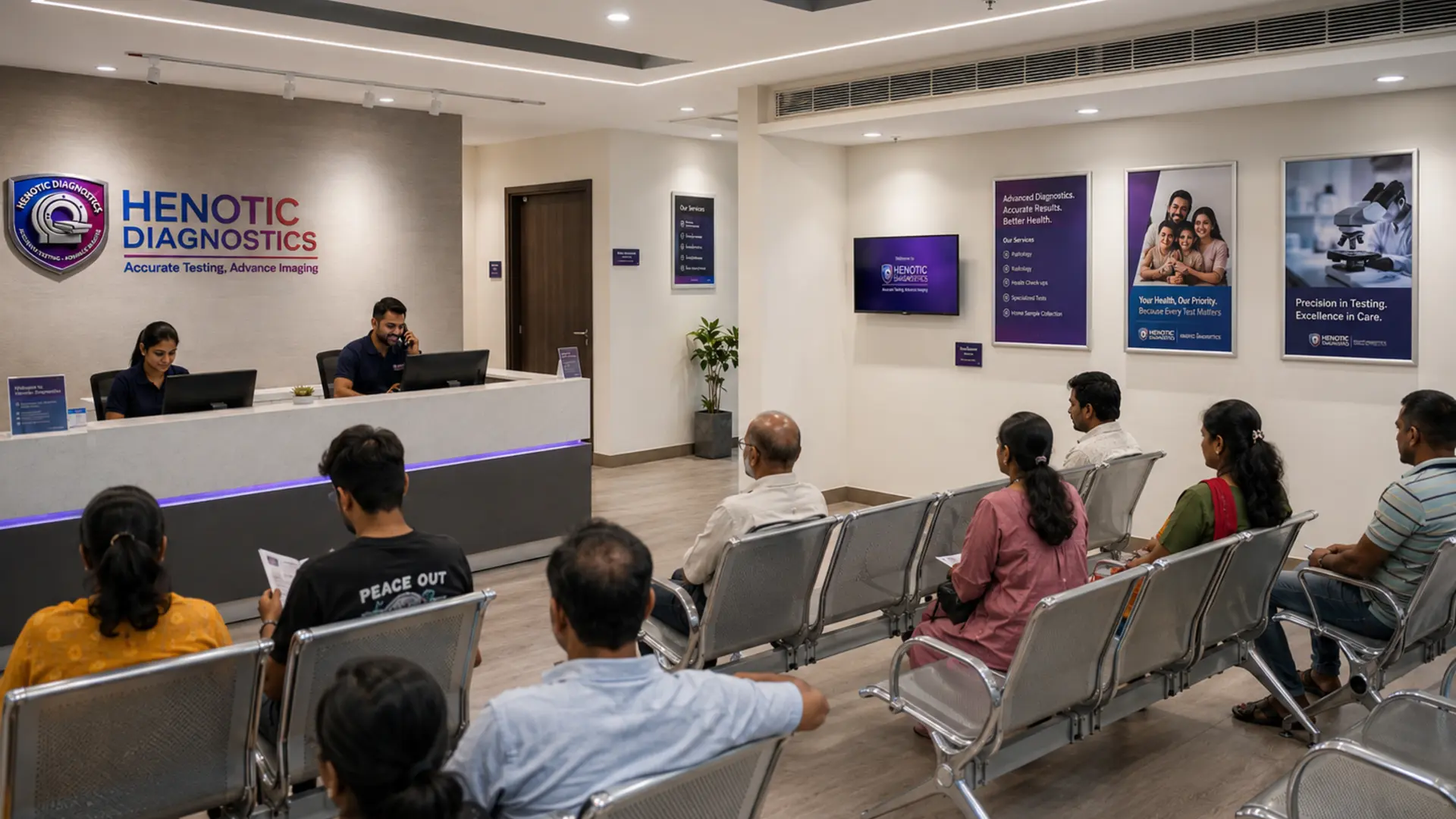
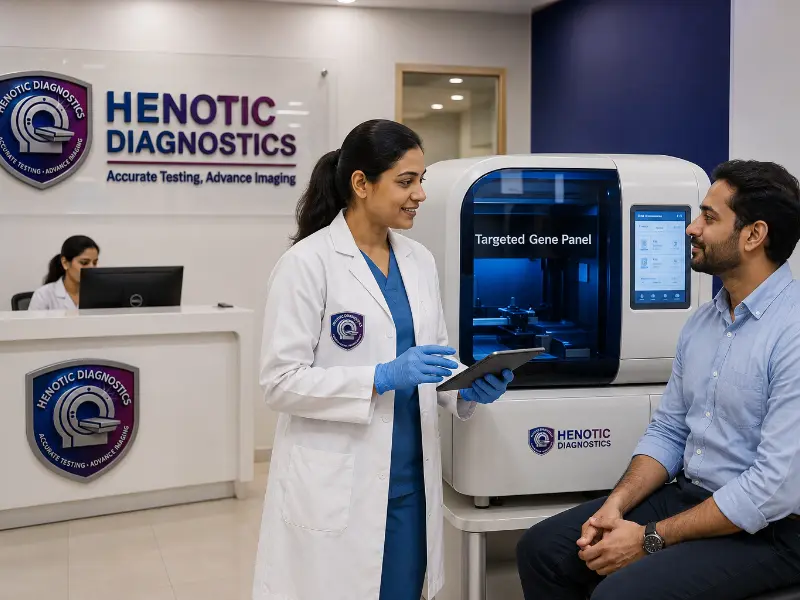
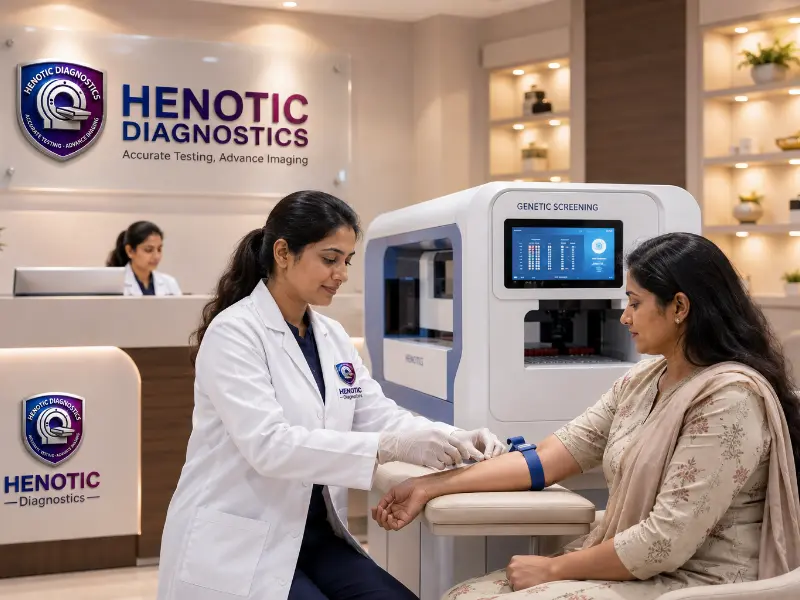
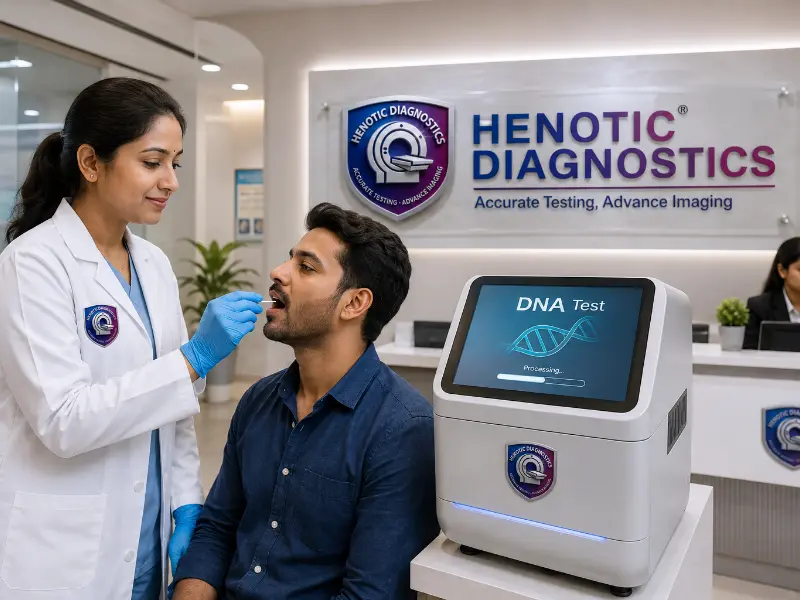
Specifically, our facility is designed for patient comfort, clinical efficiency, as well as seamless diagnostic specimen reception.
In fact, every specimen submitted to Henotic Diagnostics undergoes a rigorous 7-step protocol because accuracy, reproducibility, and verified clinical reporting are required.
First, phlebotomy or clinical sample acquisition adheres strictly to sterile collection guidelines.
Next, Accessioning & Barcoding and dual-patient identity verification ensure complete sample traceability.
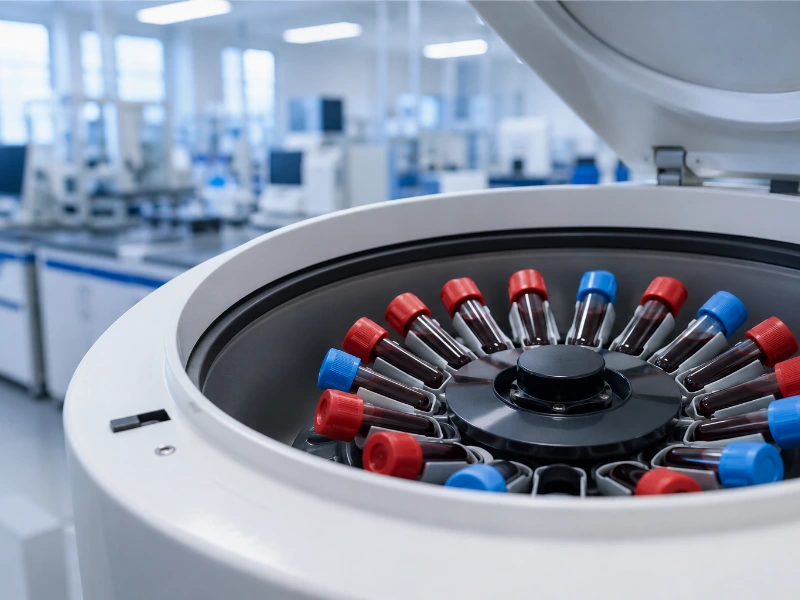
Subsequently, sample preparation such as centrifugation, serum or plasma separation, reagent mixing, or nucleic acid extraction is performed.
In addition, instrumental measurement is completed using validated assays, calibrators, and controlled control runs.
Furthermore, internal standard evaluation and daily calibration checks occur before batch release.
Moreover, multi-tier review is conducted by qualified pathologists and clinical laboratory microbiologists.
Finally, secure digital delivery of structured laboratory reports provides verified analytical data, units, and assay-specific reference intervals.
In addition, modern diagnostic laboratories encompass multiple specialized scientific disciplines. Therefore, patients can explore Henotic Diagnostics’ specialized laboratory divisions below.
First, definition: Blood-cell and blood-related laboratory testing.
Specifically, focus: Evaluate erythrocytes, leukocytes, platelets, hemoglobin, and coagulation cascades in order to detect anemia, infection, and hematologic disorders.
In addition, definition: Biochemical analysis including metabolic and organ-function-related testing.
Specifically, focus: Measure electrolytes, enzymes, proteins, substrates, and lipids so that clinicians can evaluate hepatic, renal, cardiac, and endocrine physiology.
Additionally, definition: Routine specimen examination including urinalysis and microscopy.
Furthermore, focus: Assess physical, chemical, and microscopic characteristics of non-blood fluids and excreta as well as identify metabolic and renal markers.
Above all, definition: Testing related to microorganisms and infectious disease.
Accordingly, goal: Isolate, culture, and identify pathogenic bacteria, fungi, and parasites while evaluating antimicrobial susceptibility.
In fact, definition: Antigen, antibody and immune-related laboratory testing.
Moreover, scope: Detect immune responses, autoimmune antibodies, infectious titers, as well as tumor-associated markers.
To clarify, definition: DNA/RNA analysis, nucleic-target amplification, and genomic sequencing.
Furthermore, role: Identify targeted genetic variants, pathogen viral loads, chromosomal alterations, and somatic mutations.
Accordingly, access specific laboratory test categories and individual test pages verified directly within our service directory because easy navigation helps patients.
In comparison, blood testing represents the most common clinical diagnostic modality. Above all, blood circulates through all major organ systems, carrying cellular components, hormones, metabolites, and proteins that reflect systemic physiological status. Consequently, these diagnostic biomarkers provide essential clinical clarity.
Specifically, Henotic Diagnostics provides structured home blood collection services to facilitate accessible diagnostic sample acquisition. Furthermore, trained phlebotomists collect blood specimens directly at patient residences using sterile equipment and cold-chain transport protocols.
First, the patient books a specimen collection appointment based on test prep requirements.
Next, dual barcode verification and patient identification occur at the time of phlebotomy.
In addition, vacuum-tube venipuncture ensures correct blood-to-anticoagulant ratios.
Furthermore, temperature-controlled specimen transport brings samples safely to our central facility.
Finally, laboratory analysis and digital report issuance follow thorough verification.
As a result, diagnostic laboratory assays are performed across specific biological sample matrices based on clinical testing objectives.
| Specimen Type | Matrix Description | General Diagnostic Application |
|---|---|---|
| Blood | Whole blood collected with anticoagulants (EDTA, Heparin, Sodium Citrate) | In addition, applied in hematology, CBC, blood cell morphology, and hemoglobinopathy evaluation. |
| Serum | Liquid portion of clotted blood lacking fibrinogen | Furthermore, used for clinical chemistry, lipid profiles, liver/kidney panels, serology, and immunoassay. |
| Plasma | Liquid component of anticoagulated blood containing clotting factors | Additionally, used for coagulation assays, specialized biochemical, and cell-free DNA analyses. |
| Urine | First-morning, random, or 24-hour timed urine collections | As a result, applied in urinalysis, metabolic evaluation, renal function, culture, and sensitivity. |
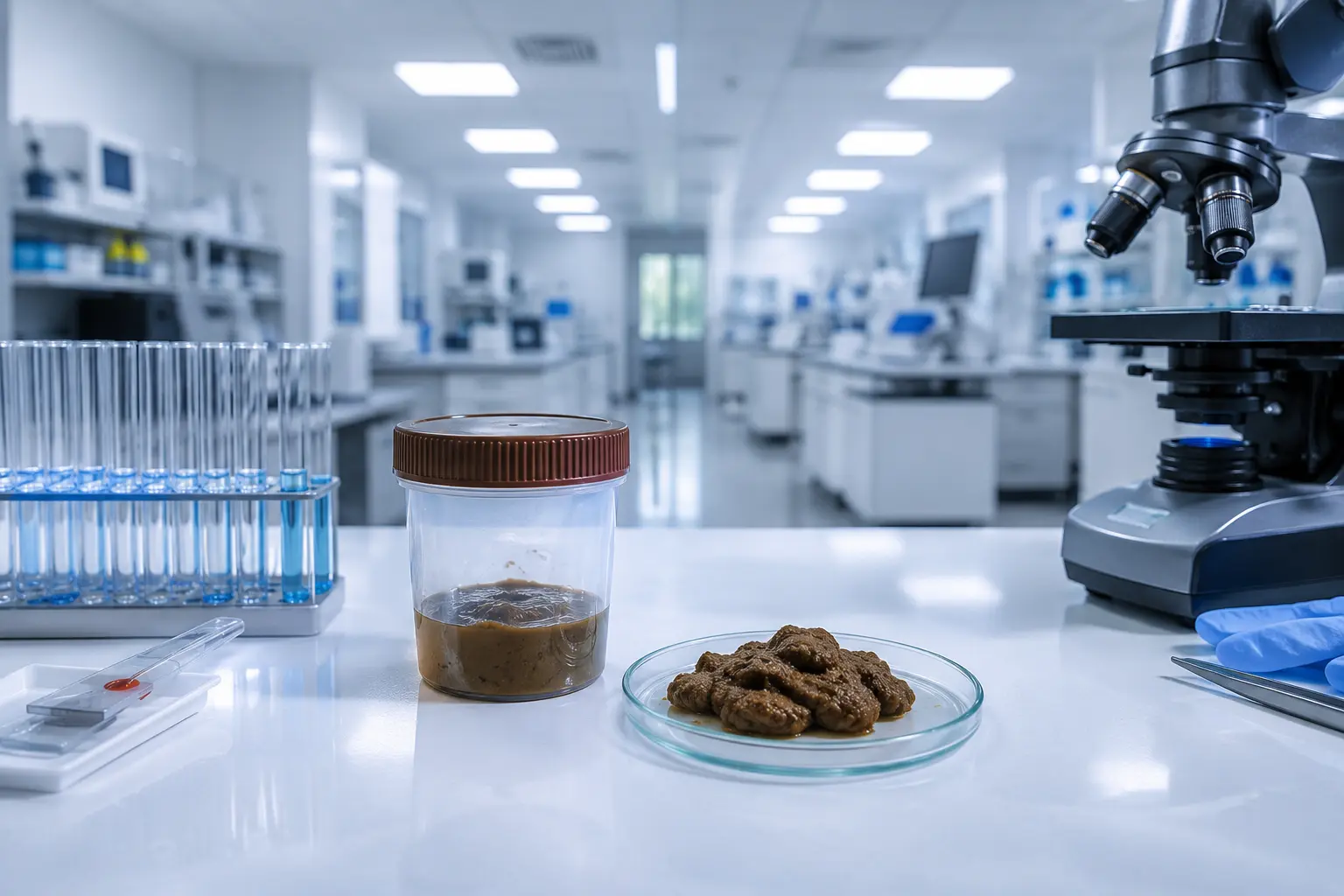
| Stool | Fecal specimen collected in sterile specimen container | Consequently, used for detecting gastrointestinal pathogens, occult blood, and stool microbiome markers. |
| Saliva | Oral fluid collected via specialized collection devices | Specifically, applied in hormonal profiling, selected molecular assays, and viral pathogen detection. |
| Buccal Swab | Epithelial cell swab from inner cheek mucosa | For example, utilized for targeted genetic testing, DNA variant analysis, and carrier screening. |
| Nasopharyngeal Swab | Synthetic swab sample from respiratory epithelial surface | In fact, used for respiratory virus RT-PCR testing including COVID-19, Influenza, and RSV. |
| Tissue Biopsy | Formalin-fixed paraffin-embedded (FFPE) or fresh tissue sample | Ultimately, applied in histopathology, somatic tumor sequencing, and molecular oncology profiling. |
For instance, * Note: Specimen handling, preservative requirements, and collection tubes depend strictly on individual assay specifications.
Notably, quality assurance in laboratory medicine is organized across three distinct operational phases because reliability is essential.
First, this pre-analytical phase covers patient preparation, fasting verification, specimen collection, barcode labeling, cold-chain transport, centrifugation, as well as plasma/serum separation prior to instrument loading.
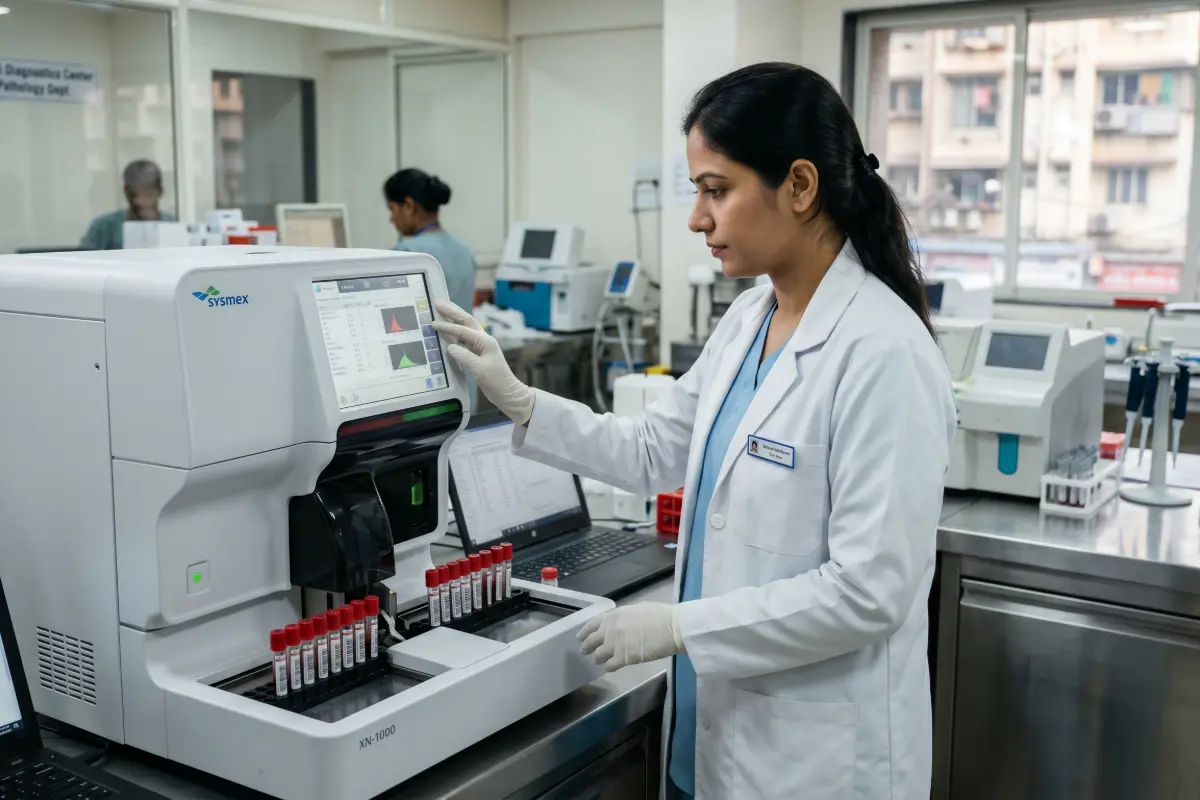
Next, this analytical phase encompasses assay execution, reagent calibration, automated instrumentation measurement, Quality Control (QC) run validation, as well as biological target quantification.
Finally, this post-analytical phase consists of result verification by clinical pathologists, delta-check comparison against prior patient reports, reference interval formatting, and secure report release.
In comparison, Henotic Diagnostics utilizes automated and standardized analytical methodologies tailored to clinical diagnostic requirements.
Answer: No. Above all, fasting requirements depend strictly on the specific test and laboratory instructions.
Specifically, metabolic tests such as fasting plasma glucose and lipid profiles usually require 8–12 hours of overnight fasting to prevent dietary carbohydrate and chylomicron interference. However, routine tests such as CBC, thyroid antibody panels, and infectious disease serology do not require fasting.
Furthermore, turnaround time (TAT) varies according to test complexity, assay duration, as well as laboratory validation protocols:
Moreover, a reference range (or reference interval) is a set of statistical values derived from testing healthy reference populations. Consequently, laboratory test results are interpreted by comparing patient numerical values against these established intervals.
First, different reagent kits and analytical instruments possess unique baseline reference distributions.
Additionally, hormone levels, red cell counts, and creatinine vary physiologically according to age and biological sex.
Furthermore, cortisol, iron, and specific hormones fluctuate based on time of specimen collection.
As a result, values are reported in specific international standard units (e.g., mg/dL, g/dL, IU/L, pmol/L).
For instance, every clinical laboratory assay is validated according to fundamental biostatistical parameters because accuracy must be verified.
Notably, sensitivity is the ability of a test to correctly identify people who have the target condition. Ultimately, high sensitivity minimizes false negative results.
In fact, specificity is the ability of a test to correctly identify people who do not have the target condition. Accordingly, high specificity minimizes false positive results.
In comparison, a false positive result indicates a condition or target when it is not actually present. Above all, this is caused by cross-reactivity, interfering substances, or non-specific binding.
Specifically, a false negative result does not detect a condition or target that is actually present. Furthermore, this can occur due to early sampling timing, low analyte concentration, or assay detection limits.
Moreover, an abnormal result does not automatically establish a diagnosis. Consequently, biological parameters can fluctuate due to transient physiological changes, physical stress, recent exercise, dietary factors, or medication usage. Therefore, holistic clinical correlation is always required.
In addition, repeat or confirmatory testing may sometimes be considered as a result of the following factors:
Additionally, understand the distinction between diagnostic laboratories, pathology labs, and multi-modality diagnostic centers.
| Diagnostic Lab | Pathology Lab |
|---|---|
| Broad laboratory-testing concept | Commonly associated with pathology-related specimen examination |
| May include multiple laboratory disciplines | Often includes pathology-focused laboratory disciplines |
| Can include hematology, biochemistry, microbiology, molecular and genetic testing | Can include histopathology, cytology and clinical pathology-related services |
Therefore, a diagnostic laboratory focuses primarily on laboratory testing of biological specimens. As a result, a diagnostic center may combine laboratory services with other diagnostic modalities such as medical imaging (MRI, CT, Ultrasound). In comparison, both facilities aim to deliver comprehensive diagnostic insights.
For instance, molecular diagnostics is testing that analyzes molecular targets such as DNA, RNA, pathogen nucleic acids, genetic variants, or molecular biomarkers. Consequently, these precise molecular targets provide exceptional diagnostic specificity.
Notably, assays utilize PCR, RT-PCR, targeted molecular assays, DNA sequencing, RNA analysis, as well as Next-Generation Sequencing (NGS).
Ultimately, molecular detection of pathogen-associated nucleic acids directly from patient samples enables rapid turnaround time.
In fact, oncology testing covers tumor biomarkers, somatic alterations, molecular profiling, targeted sequencing, liquid biopsy, and cell-free DNA.
Accordingly, the sample moves through extraction, amplification or library preparation, detection or sequencing, quality control, interpretation, and final reporting.
In comparison, limitations involve detection limits, specimen quality, timing, sampling, variant coverage, false positives, and false negatives.
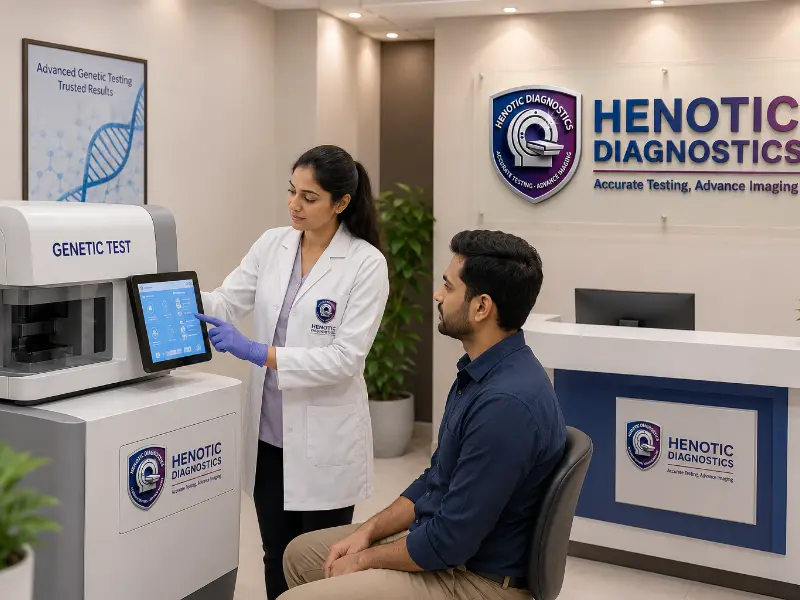
Above all, genetic testing evaluates human genetic material for diagnostic and screening purposes. Specifically, this encompasses diagnostic genetic testing, genetic screening, carrier screening, prenatal testing, predictive testing, germline testing, and somatic testing.
Furthermore, diagnostic genetic testing investigates a specific genetic question or suspected condition in an individual patient. Consequently, this provides targeted clinical answers.
Moreover, genetic screening assesses the likelihood or risk of a genetic condition in a defined population context. In addition, it supports early risk evaluation.
| Germline | Somatic |
|---|---|
| Present from conception in the relevant genetic makeup | Acquired during life |
| Often present across many cells | May be limited to particular tissues/cells |
| Relevant to inherited conditions | Commonly relevant to tumor biology |
| Can have family/inheritance implications (Germline Sequencing) | Usually interpreted in tissue/tumor context (Somatic Tumor Sequencing) |
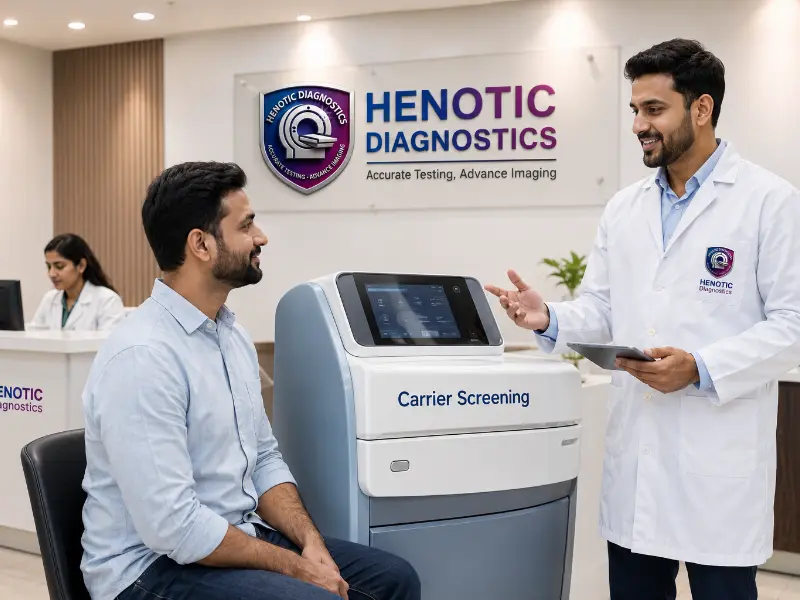
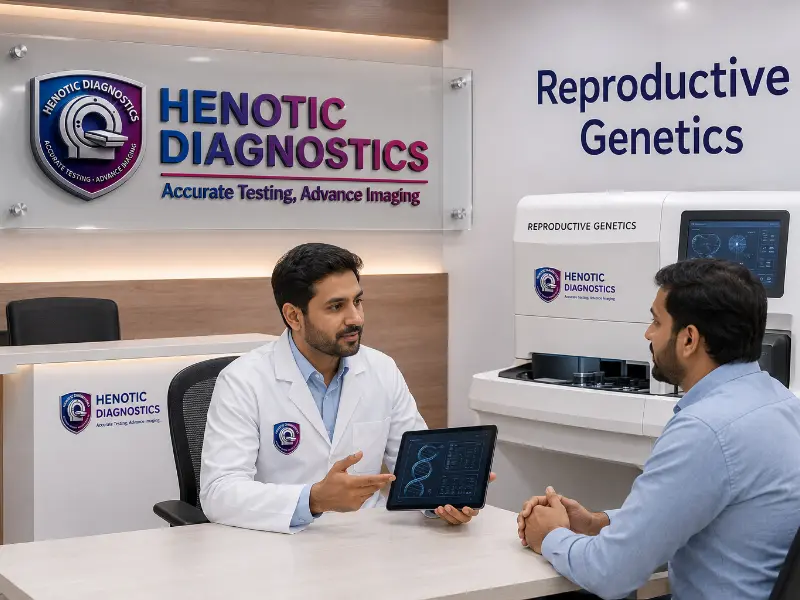
Consequently, carrier screening covers carrier status, recessive inheritance, X-linked inheritance, reproductive implications, family history, partner testing, and genetic counseling.
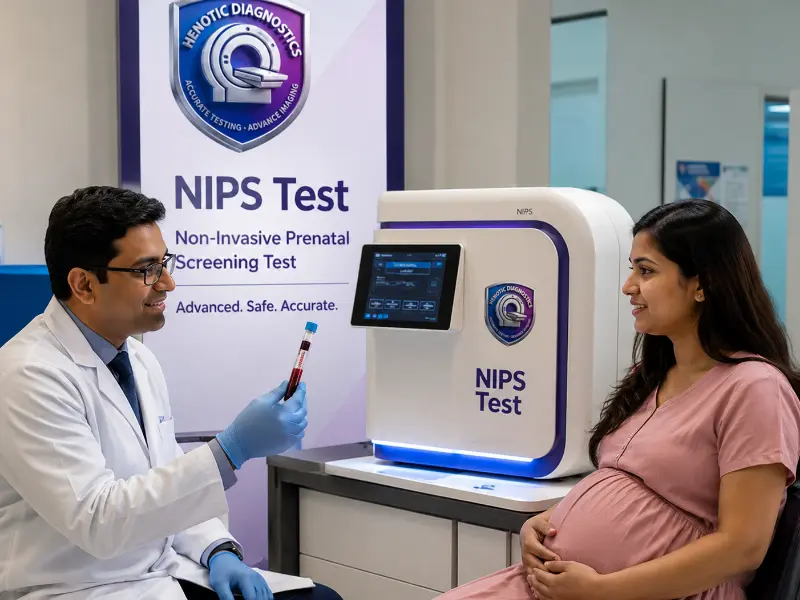
In addition, Non-Invasive Prenatal Testing (NIPT / NIPS) analyzes cell-free fetal DNA from maternal blood for common chromosomal screening targets. Therefore, it delivers highly accurate screening insights.
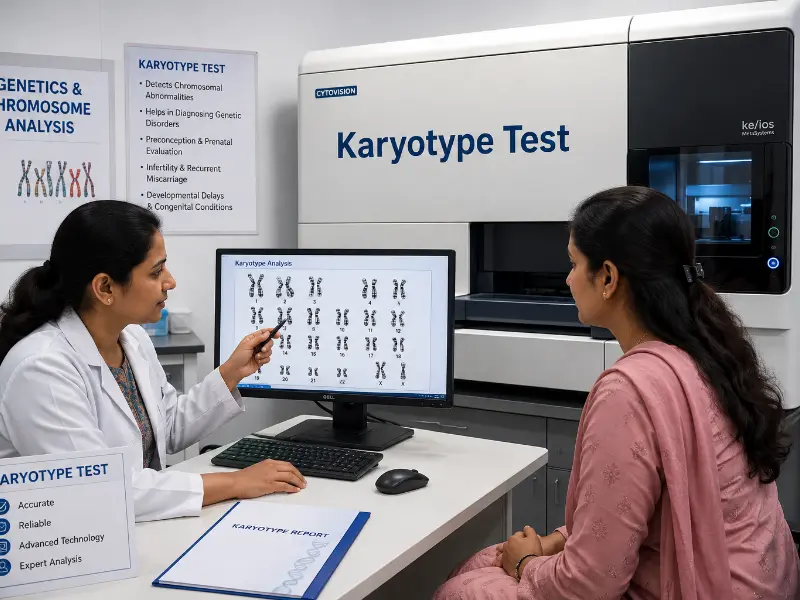
Therefore, cytogenetics and karyotyping analyze full chromosome sets to detect numerical or structural alterations. As a result, comprehensive chromosomal evaluation is achieved.
For instance, clinical DNA testing analyzes targeted DNA sequences and genetic variants. Consequently, specific genetic changes are identified.
Ultimately, reproductive genetics connects carrier screening, prenatal testing, NIPT, fetal genetics, chromosome testing, and fertility evaluation.
In fact, genetic counseling assists patients in test selection, family history evaluation, risk comprehension, and variant interpretation. Furthermore, expert guidance is provided at every step.
Accordingly, genetic results cover Positive, Negative, Pathogenic, Likely Pathogenic, Variant of Uncertain Significance, Benign, Likely Benign, and incidental findings.
In comparison, a Variant of Uncertain Significance (VUS) is a genetic variant for which available scientific evidence is currently insufficient to classify it confidently as disease-causing or benign. Above all, a VUS should not be interpreted as an automatic disease diagnosis.
Specifically, limitations involve variant coverage, detection limits, structural variants, mosaicism, sample quality, technical factors, and variant reclassification.
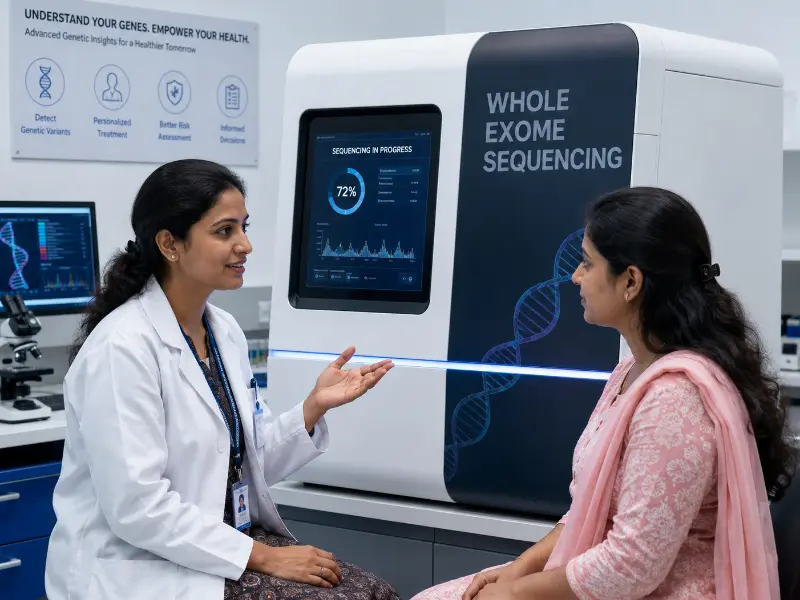
Furthermore, high-throughput sequencing modalities analyze nucleotide order across targeted genes, coding exomes, or whole genomes.
Moreover, Whole-Exome Sequencing analyzes protein-coding regions of the genome where the majority of pathogenic variations reside. Consequently, it captures the most clinically relevant exons.
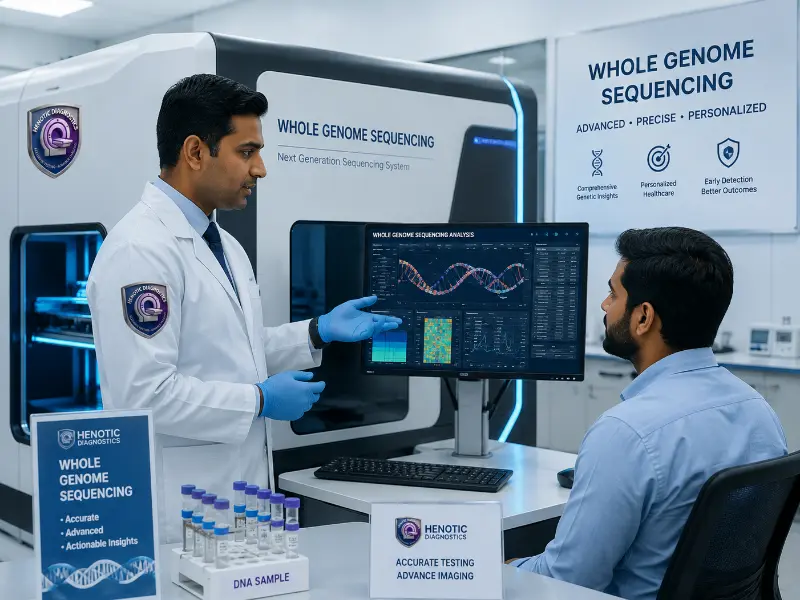
Consequently, Whole-Genome Sequencing provides comprehensive coverage across both coding and non-coding genomic regions. In addition, it offers total genomic clarity.
In addition, our lab offers Targeted Sequencing, Trio WES (Trio WES Page), RNA Sequencing (RNA Sequencing Page), Mitochondrial Genome Sequencing (Mitochondrial Sequencing Page), and CNV Analysis.
Additionally, the sequencing workflow involves sample collection, DNA/RNA extraction, library preparation, sequencing, bioinformatics, variant detection, annotation, classification, and final reporting. Therefore, strict quality control is enforced throughout.
As a result, microbiome analysis evaluates complex microbial communities. For instance, metagenomic sequencing analyzes genetic material directly from mixed microbial samples. Consequently, deep microbial insights are generated.
Specifically, gut health testing and stool microbiome analysis.
Stool Microbiome AnalysisAdditionally, gut dysbiosis testing and gut flora analysis.
Metagenomic SequencingAccordingly, microbiome DNA sequencing and metagenomic analysis.
16S rRNA SequencingIn comparison, targeted 16S rRNA sequencing for bacterial identification.
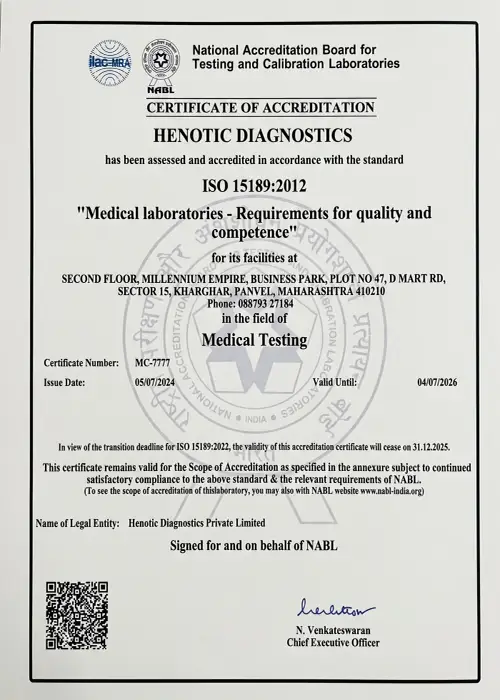
Consequently, Henotic Diagnostics maintains NABL ISO 15189:2022 Accredited standards and strict quality control, patient identification, specimen integrity, calibration, equipment maintenance, method validation, result verification, and reporting controls.





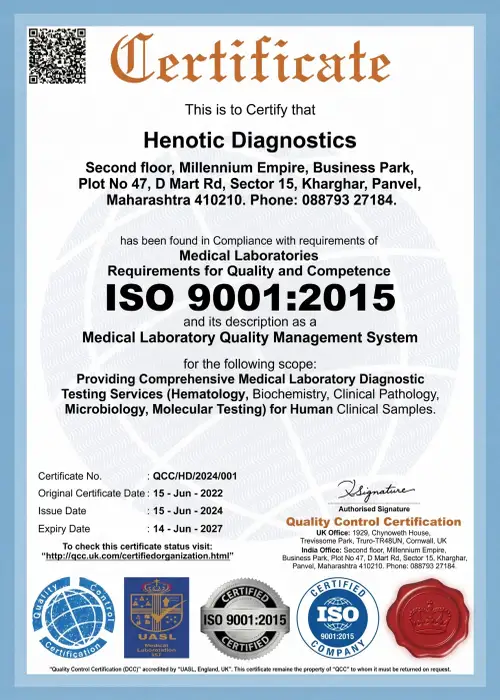
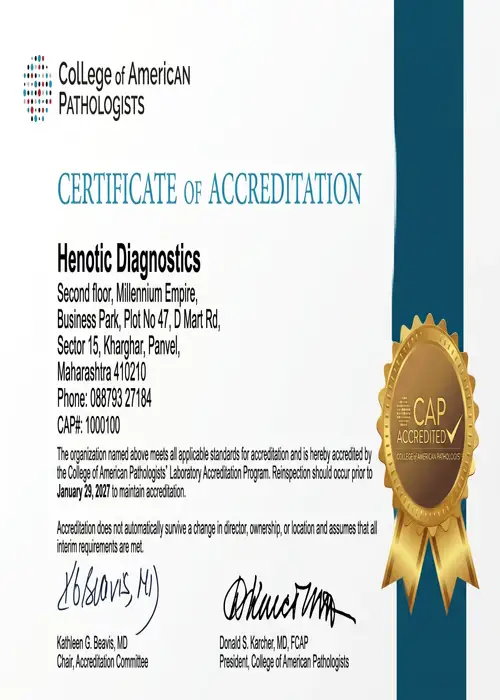
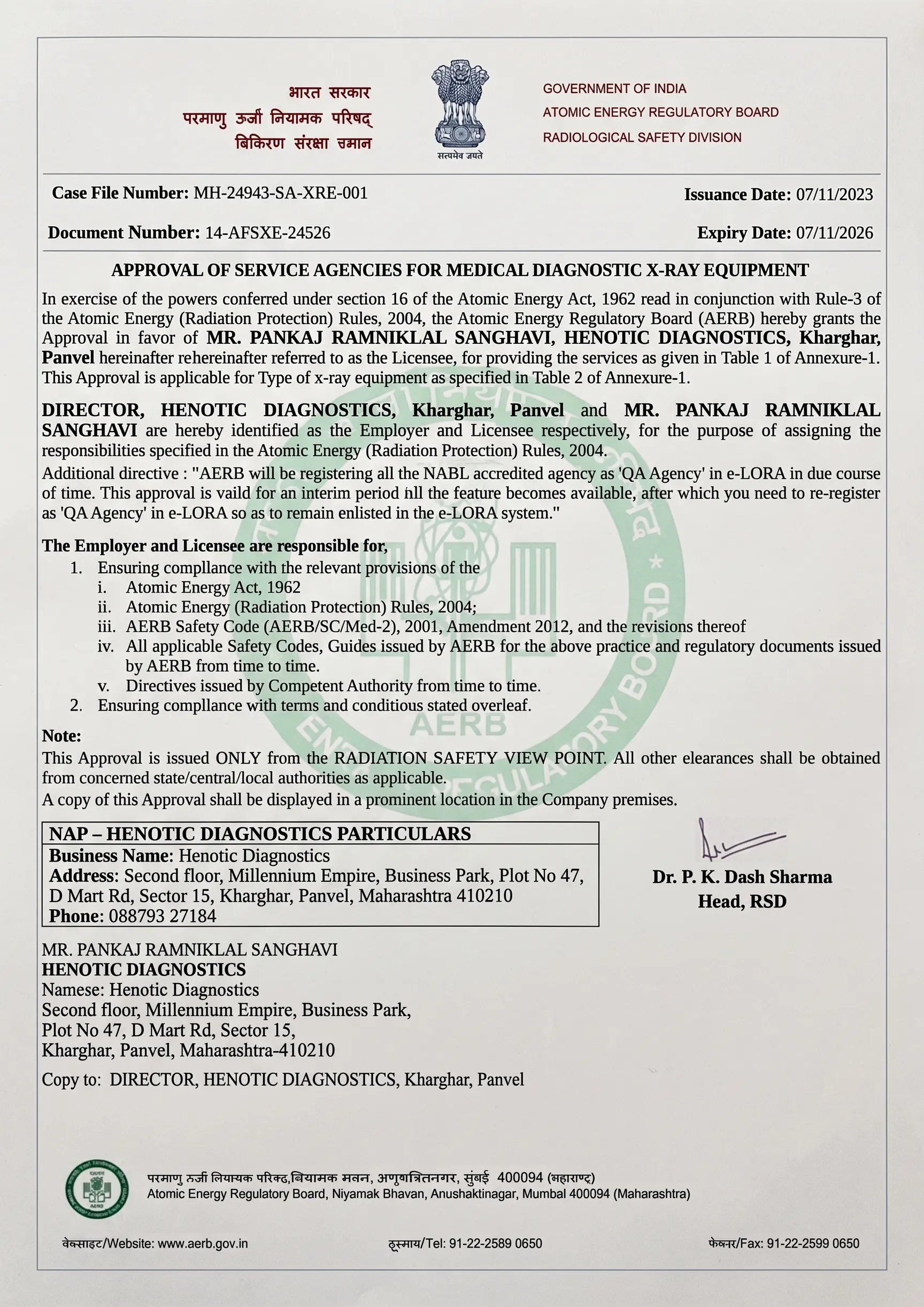
In addition, Henotic Diagnostics operates under verified regulatory compliance, clinical quality standards, and national laboratory accreditation frameworks.
Accredited by NABL India.
Certified under ISO Standards.
CAP Proficiency Compliant.
Compliant with AERB rules.
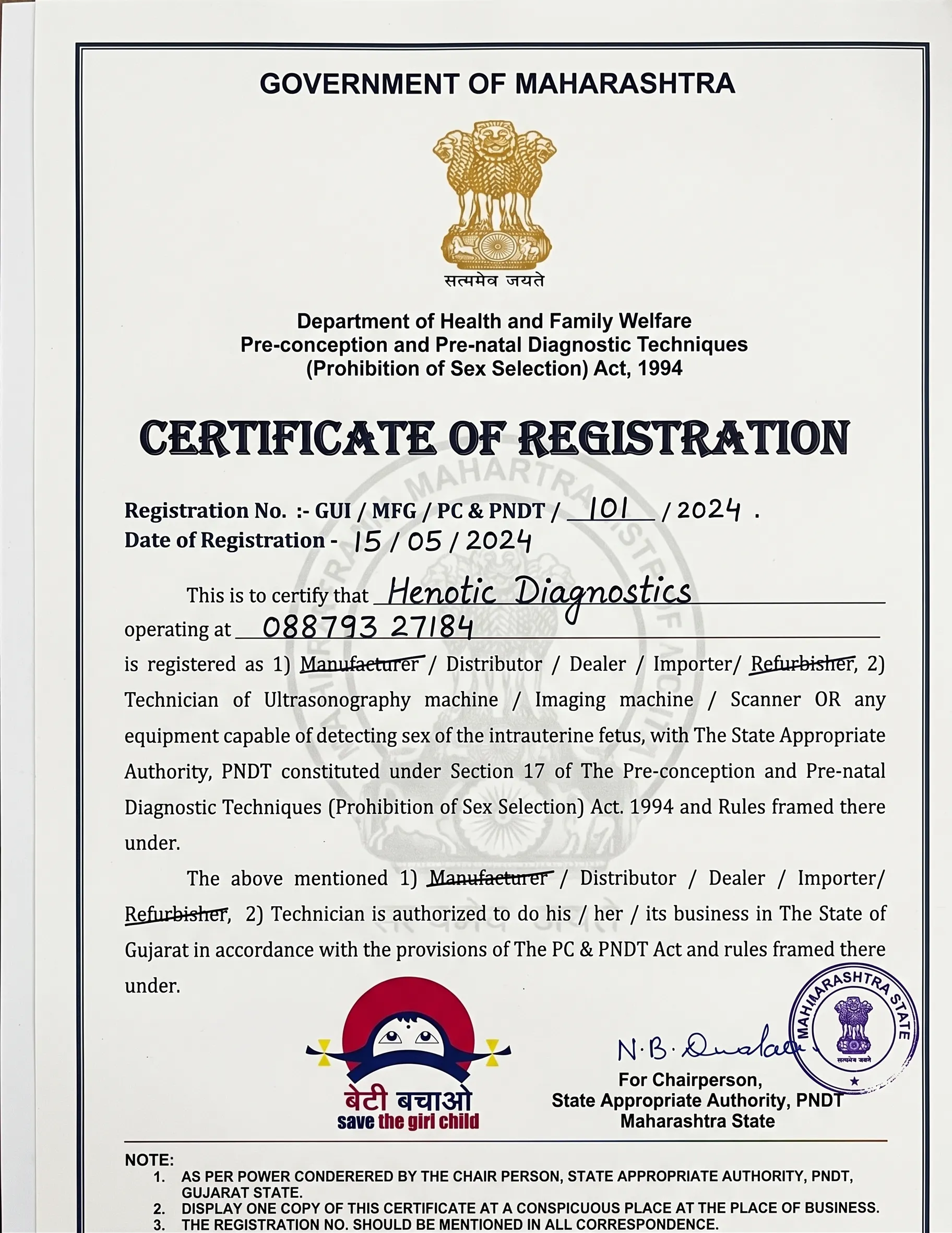
Registered PCPNDT facility.
Ultimately, every laboratory test report issued by Henotic Diagnostics undergoes rigorous multi-tier review and clinical validation under expert pathologist supervision.
Accordingly, Dr. Vijay Thakur serves as the Senior Consulting Pathologist and Clinical Director of Laboratory Services at Henotic Diagnostics. Above all, holding an MBBS and MD Pathology, Dr. Thakur brings extensive expertise in diagnostic pathology, clinical hematology, cytopathology, biochemical profiling, and molecular assay interpretation.
Furthermore, every abnormal or critical laboratory value undergoes manual verification, blood smear review, and pathologist sign-off prior to report release.
Moreover, Dr. Thakur supervises daily internal quality control (IQC) calibration runs, external quality assessment (EQAS) performance, and assay validation protocols.
Consequently, Dr. Thakur provides direct clinical consultation to ordering physicians regarding complex diagnostic findings, delta checks, and diagnostic recommendations.
In addition, our team ensures immediate panic-value notifications and urgent verbal reporting to attending clinicians for life-threatening laboratory parameters.
Specifically, read how advanced Microbiome & Metagenomic Sequencing, Diagnostic Genetic Testing, and NIPT prenatal screening at Henotic Diagnostics delivered accurate clinical clarity and compassionate care for our patients.
“Specifically, after months of unresolved gastrointestinal symptoms, my gastroenterologist recommended gut Microbiome & Metagenomic Sequencing at Henotic Diagnostics. Additionally, the advanced NGS assay identified specific microbial dysbiosis markers with absolute accuracy. Consequently, my doctor could prescribe targeted microbiome therapy that restored my health!”
Verified Microbiome & Metagenomic Sequencing Patient
“During my pregnancy, my obstetrician advised Non-Invasive Prenatal Testing (NIPT) to screen for chromosomal variations. The phlebotomy team at Henotic Diagnostics collected the sample right at home with complete professionalism. Furthermore, the report was delivered within 5 days with clear genetic counselor guidance.”
Verified NIPT Prenatal Screening Patient
“Our family required targeted diagnostic genetic testing for a rare inherited metabolic marker. Henotic Diagnostics handled the exome sequencing and clinical interpretation under Dr. Vijay Thakur’s expert oversight. The level of diagnostic precision and patient safety standard was outstanding.”
Verified Diagnostic Genetic Testing Patient
Below are detailed clinical answers to common questions regarding diagnostic laboratory testing, specimen processing, reference ranges, and genomic testing at Henotic Diagnostics.
Additionally, a diagnostic laboratory is a specialized healthcare facility where biological specimens like blood, urine, tissue, and body fluids are analyzed. Furthermore, Henotic Diagnostics provides clinical biochemistry, hematology, microbiology, histopathology, molecular testing, and genomic sequencing under accredited standards. Consequently, our diagnostic reports guide over 70% of medical treatment decisions.
First, specimen collection and accessioning occur during the pre-analytical phase. Next, sample measurement runs on automated analytical platforms during the analytical phase. Finally, senior pathologists verify test parameters against clinical reference intervals during the post-analytical phase to release accurate digital reports.
Specifically, diagnostic labs analyze whole blood, serum, plasma, urine, stool, saliva, buccal swabs, tissue biopsies, and fluid aspirates. Moreover, each specimen type requires specialized anticoagulant tubes, fixatives, or sterile collection transport containers to maintain biomarker stability.
To clarify, a blood test analyzes cellular counts, enzymes, metabolic markers, hormones, or nucleic acids in systemic circulation. Therefore, clinicians request blood panels to evaluate organ function, diagnose infections, screen for diseases, and monitor ongoing medical treatments.
Answer: No. Consequently, fasting requirements depend strictly on the target analyte being measured. For example, fasting plasma glucose and lipid profiles require 8–12 hours of fasting, whereas routine CBC, thyroid panels, and antibody tests do not require fasting.
In addition, patients should follow assay-specific instructions such as staying hydrated, avoiding strenuous exercise prior to testing, and informing phlebotomists about current medications. Furthermore, specific morning hormonal assays require sample collection at designated hours.
As a result of automated high-throughput instrumentation, routine hematology and biochemistry reports are available within 3 to 6 hours. However, specialized microbiology cultures, RT-PCR assays, and genomic sequencing panels require 24 hours to 7 business days for comprehensive analysis.
Notably, a reference range is a statistically defined interval of numerical values derived from testing healthy population cohorts. Consequently, clinical pathologists compare a patient’s numerical test result against these reference intervals to assess health status.
Above all, an abnormal laboratory result does not automatically indicate disease because biological markers fluctuate due to stress, diet, or temporary physiological states. Thus, abnormal findings must be correlated with clinical symptoms, physical examination, and medical history by a physician.
Accordingly, diagnostic sensitivity measures a laboratory test’s ability to correctly identify patients who have the target disease (true-positive rate). Therefore, assays with high sensitivity are ideal for initial population disease screening.
In comparison, diagnostic specificity measures an assay’s ability to correctly identify individuals who do not have the condition (true-negative rate). Consequently, high-specificity tests minimize false-positive results during confirmatory diagnostic evaluation.
Specifically, molecular diagnostics analyzes genomic DNA, viral/bacterial RNA, and gene expression patterns. For instance, key applications include viral pathogen detection (COVID-19, Dengue), oncology biomarker testing, liquid biopsies, and genetic variant identification.
Furthermore, genetic testing evaluates chromosomal structure or DNA sequence variants to identify inherited gene mutations. As a result, genetic assays assist in diagnosing hereditary disorders, assessing disease predisposition, and personalizing targeted cancer therapies.
In contrast to diagnostic testing performed on symptomatic individuals, genetic screening evaluates asymptomatic populations or carrier cohorts to assess probability risks for inherited conditions. Thus, screening identifies individuals who require further confirmatory testing.
Additionally, Non-Invasive Prenatal Testing (NIPT) analyzes cell-free fetal DNA in maternal blood to screen for fetal aneuploidies including Down syndrome (Trisomy 21), Edwards syndrome (Trisomy 18), Patau syndrome (Trisomy 13), and sex chromosome variations.
Answer: No. Although NIPT achieves over 99% screening sensitivity for Trisomy 21, it remains a screening tool. Consequently, high-risk NIPT findings should be confirmed via invasive diagnostic procedures like amniocentesis or CVS.
Notably, karyotyping is a cytogenetic examination that visualizes an individual’s complete set of 46 chromosomes under microscopic imaging. Therefore, doctors request karyotype tests to detect numerical chromosomal abnormalities or structural translocations in fertility and prenatal evaluations.
In fact, Next-Generation Sequencing (NGS) processes millions of DNA fragments in parallel to decode nucleotide sequences across targeted gene panels, whole exomes, or whole genomes. Afterwards, bioinformatic algorithms identify pathogenic mutations against reference human genomes.
In comparison, a VUS is a detected DNA sequence variation where current scientific research is insufficient to confirm whether it is disease-causing or benign. Consequently, medical guidelines recommend avoiding clinical treatment decisions based solely on a VUS.
Above all, germline testing evaluates inherited DNA present in all body cells to detect hereditary conditions passed to offspring. Conversely, somatic testing analyzes acquired mutations present only in tumor tissue to guide targeted oncology treatment.
Priority service for Baner patients.
Answers to the most common questions about Diagnostic Lab services near Baner.
Get Diagnostic Lab at other Henotic Diagnostics centers near you
Henotic Diagnostics offers affordable Diagnostic Lab services across Pune — including Pune City, Kothrud, Shivajinagar, Deccan, Swargate, and 14 more locations. All centers feature NABL-accredited labs, AERB-certified equipment, and same-day digital report delivery.
If you are looking for a highly accurate Diagnostic Lab near Baner, Henotic Diagnostics is your trusted partner. Easily accessible from all major points in Pune, our world-class facility combines highly experienced radiologists with state-of-the-art medical technology. Patients from Baner consistently rate us 4.8/5 Stars (based on 870 reviews) for our compassionate care, zero wait times, and instant report delivery.
The cost of a Diagnostic Lab at our Baner diagnostic center is highly competitive. We offer transparent pricing with zero hidden fees. Contact us directly for today's discounted rate.
For patients visiting from Baner and across Pune, Henotic Diagnostics guarantees fast turnaround times. Most Diagnostic Lab reports are available the same day via secure WhatsApp delivery.
Yes! Our entire facility serving Baner maintains strict NABL, ISO, and AERB accreditations to guarantee 100% precision for your Diagnostic Lab.
Fill out the form below to secure your priority booking at our nearest center.
Loading booking form...