Safe & Complete Obstetric Doppler Scan for Fetal Wellbeing
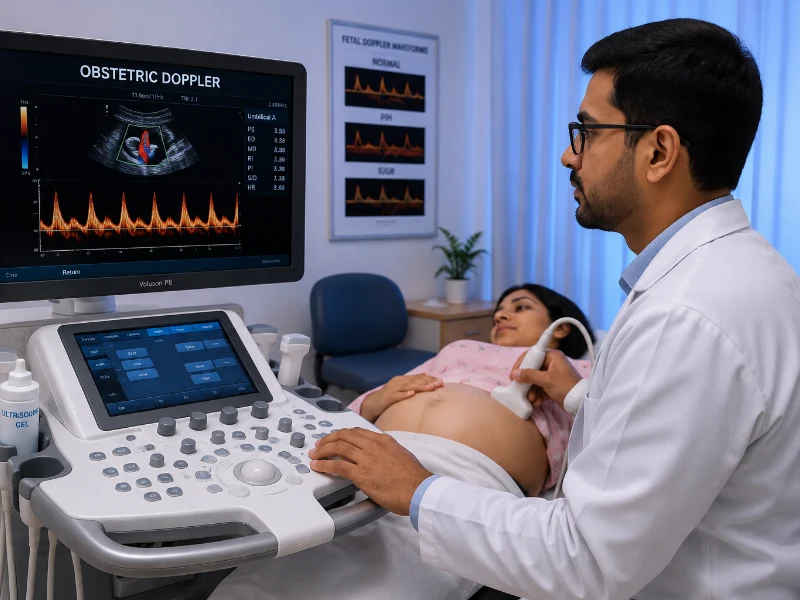
An Obstetric Doppler Ultrasound offers a safe, painless, and radiation-free way to examine blood flow between a mother and her unborn baby, ensuring proper oxygen and nutrient delivery. At Henotic Diagnostics, Kharghar, our expert radiologists combine high-frequency sound waves with Doppler technology to evaluate vascular health in the uterus, placenta, and the fetus itself. Consequently, this advanced scan helps obstetricians identify intrauterine growth restriction (IUGR), placental insufficiency, and related pregnancy risks. Furthermore, real-time ultrasound images enable early detection of complications. As a result, your medical team can quickly design an evidence-based care plan for the remainder of your pregnancy. For instance, to learn more about safety guidelines in fetal imaging, visit the International Society of Ultrasound in Obstetrics and Gynecology.

What is an Obstetric Doppler Ultrasound?
An Obstetric Doppler Ultrasound measures the speed and direction of blood flow through critical vessels during pregnancy. Essentially, unlike traditional X-rays or CT scans, this test utilizes high-frequency sound waves and color flow mapping. Specifically, it eliminates the need for ionizing radiation or contrast dyes. Therefore, physicians view it as a completely safe imaging option for both the expectant mother and the developing baby. Additionally, this non-invasive scan delivers a highly convenient method for diagnosing conditions that might restrict the baby’s growth or oxygen supply.
What Does an Obstetric Doppler Ultrasound Check?
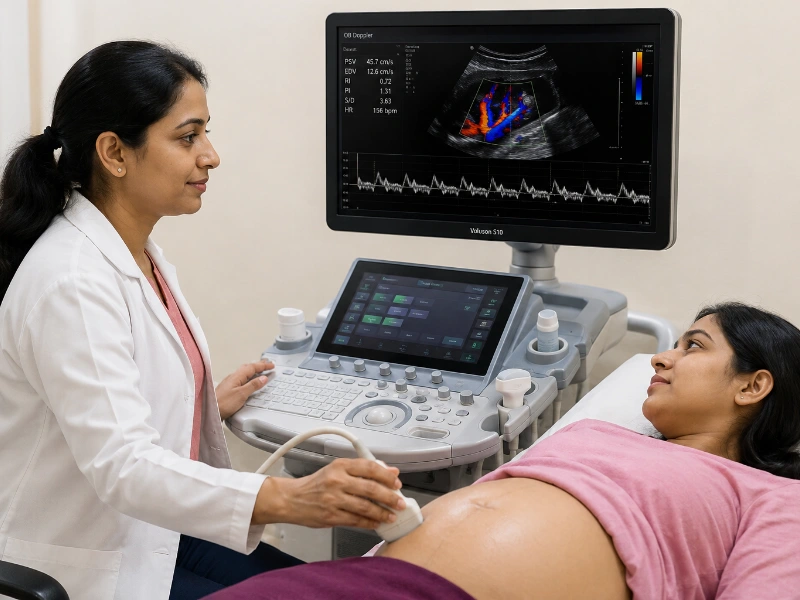
Overall, the scan provides a comprehensive view of various maternal and fetal blood vessels based on the stage of pregnancy:
- Umbilical Artery: Evaluates the blood flow from the placenta to the baby through the umbilical cord to ensure adequate nutrient delivery.
- Middle Cerebral Artery (MCA): Assesses blood flow in the baby’s brain to detect fetal anemia or oxygen deprivation.
- Uterine Arteries: Examines the mother’s blood vessels supplying the womb to check for risks of preeclampsia or restricted growth.
- Ductus Venosus: Inspects a critical fetal liver vein to rule out severe growth restriction or cardiac strain in the baby.
Who Should Get an Obstetric Doppler Ultrasound?
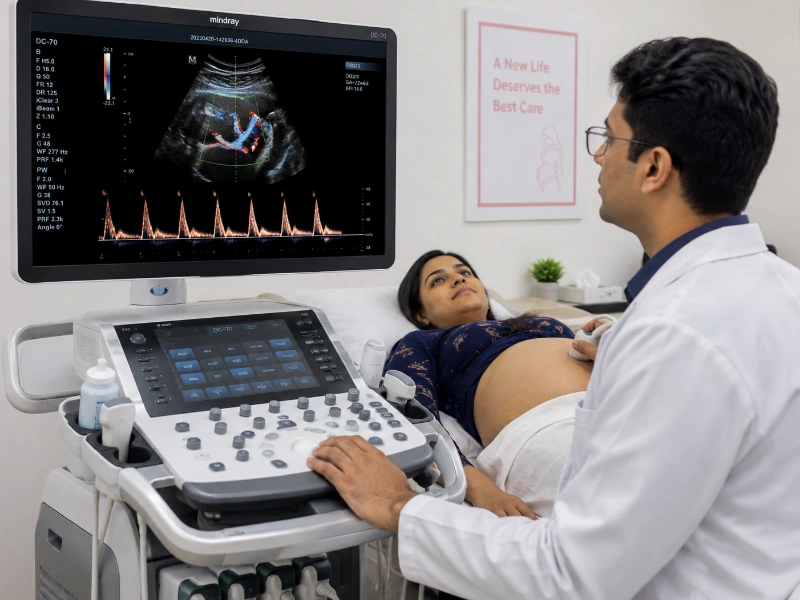
Physicians routinely order this scan to monitor high-risk pregnancies. For instance, doctors advise Doppler testing for expectant mothers with high blood pressure, diabetes, or a history of previous pregnancy complications. Moreover, high-risk conditions—such as twin or multiple pregnancies, suspected restricted fetal growth, or reduced amniotic fluid—benefit immensely from this diagnostic check. In addition, clinicians rely on this scan if the mother reports a noticeable decrease in fetal movements.
Indications for an Obstetric Doppler Scan
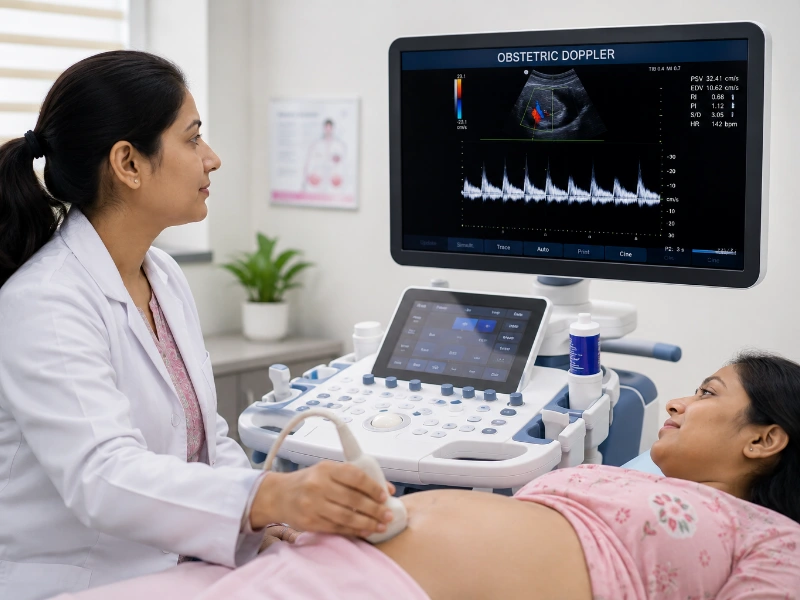
Medical professionals advise this examination to monitor and manage maternal-fetal health. Specifically, doctors recommend it when a standard ultrasound suggests the baby is smaller than expected for their gestational age. Furthermore, it serves as a critical follow-up for individuals with Rh sensitization or maternal hypertension. As a result, healthcare providers can accurately track fetal wellbeing and make informed decisions about the safest time to deliver the baby.
Why Physicians Recommend Obstetric Doppler Ultrasound
Medical professionals prioritize this test because it delivers a rapid, accurate assessment of potentially life-threatening conditions for the fetus. Above all, it supplies real-time physiological data about the baby’s circulatory system. In fact, this information helps clinicians verify whether the placenta is functioning properly or if the baby is compensating for low oxygen levels. Therefore, it speeds up decision-making for your medical team, aligning with professional standards from the American College of Obstetricians and Gynecologists.
When to Contact a Doctor Immediately
Ideally, you should seek urgent medical care if you notice a sudden or significant decrease in your baby’s movements. In addition, if you experience sudden vaginal bleeding, severe abdominal pain, or a severe headache with vision changes, you must obtain emergency help immediately. Indeed, these could be signs of placental abruption or severe preeclampsia, requiring immediate fetal monitoring.
Common Symptoms That May Need an Obstetric Doppler
Your doctor may advise this scan if specific warning signs arise during your prenatal checkups. For example, watch out for elevated maternal blood pressure, measurements indicating the baby is measuring small, or a lack of fetal kicks. Meanwhile, our team offers detailed structural and functional evaluations through our Advanced Pregnancy Ultrasound service.
Types of Obstetric Doppler Studies
For instance, our facility offers various specialized Doppler examinations tailored to your specific trimester and clinical needs:
- Umbilical Artery Doppler: The most common scan to check if the baby is receiving enough blood, oxygen, and nutrients from the placenta.
- Uterine Artery Doppler: Usually performed in the first or second trimester to screen for the risk of preeclampsia.
- MCA (Middle Cerebral Artery) Doppler: Assesses blood flow in the fetal brain, crucial for detecting fetal anemia (often due to Rh incompatibility).
- Ductus Venosus Doppler: Typically used in early pregnancy screening or late-stage severe growth restriction monitoring.
Conditions Detectable via Obstetric Doppler Imaging
In fact, this diagnostic tool accurately identifies a wide array of pregnancy-related complications:
- Fetal Growth Restriction (FGR/IUGR): When a baby is not growing at a normal rate inside the womb.
- Placental Insufficiency: A failure of the placenta to deliver adequate nutrients and oxygen to the fetus.
- Preeclampsia Risk: High maternal blood pressure disorders detected via uterine artery resistance.
- Fetal Anemia: A low red blood cell count in the baby, often identified through MCA blood flow speed.
Benefits of the Obstetric Doppler Procedure
This procedure remains safe, radiation-free, non-invasive, and completely painless for both mother and child. In addition, it delivers high-resolution, real-time hemodynamic images. Consequently, patients receive an affordable diagnostic test that helps prevent severe complications and guides the safe delivery of the baby.
Preparation and Procedure Steps
Generally, preparation is minimal for an obstetric doppler. Specifically, unlike early pregnancy scans, a full bladder is usually not required if you are in your third trimester. Alternatively, for earlier Doppler screenings (like the anomaly scan), your doctor may provide specific hydration instructions. Furthermore, we recommend wearing loose, two-piece comfortable clothing, and bringing all previous prenatal medical reports and growth charts to your visit.
|