Browse our comprehensive library of diagnostic capabilities. We provide over 200 NABL accredited radiology scans and automated clinical pathology investigations.
Long Read Genome Sequencing | Third-Generation Genomics | Henotic Diagnostics
Long Read Genome Sequencing: Fast & Precise Third-Gen Genomic Test
Advanced Third-Generation Genomics & Long Read Genome Sequencing Experts
Clinical Overview & Diagnostic Indications
First of all, Long Read Genome Sequencing (Third-Generation Sequencing / TGS) is the advanced genomic testing method that sequences continuous single DNA strands measuring 10,000 to over 100,000 base pairs in length. Essentially, using PacBio HiFi and Oxford Nanopore platforms, long-read technology resolves complex structural variants, repeat expansion disorders, pseudogene regions, and parent-of-origin haplotype phasing with 99.9% precision. Consequently, medical geneticists diagnose unsolved neurodevelopmental and rare genetic conditions that traditional short-read NGS misses.
Furthermore, book your Third-Generation Sequencing at Henotic Diagnostics for comprehensive diagnostic resolution. In addition, our accredited genomic laboratory operates 24/7 with specialized home sample collection phlebotomy services.
Long Read Genome Sequencing Quality Standards & Certifications
First, 5.0 Google Rated
Second, 100 kb+ Continuous Read Length
In addition, Repeat Expansion Resolution
Furthermore, NABL Accredited
Also, Full Haplotype Phasing
Moreover, Pseudogene Differentiation
Finally, ISO Certified
Long Read Genome Sequencing: Overview
To begin with, Third-Generation Sequencing represents the third generation of DNA sequencing technology, capable of reading unbroken genomic fragments tens of thousands of base pairs long. At the same time, experts at Henotic Diagnostics deploy PacBio HiFi and Oxford Nanopore platforms to decipher dark, highly repetitive, and structurally complex genomic regions.
Specifically, Third-Generation Sequencing evaluates structural variations (inversions, complex translocations, large insertions/deletions), short tandem repeat expansions (CAG, CGG, C9orf72 repeats), functional genes masked by homologous pseudogenes (e.g. SMN1/SMN2, CYP2D6, GBA), and allele-specific haplotype phasing. Consequently, bioinformatic algorithms reconstruct full diploid assemblies. As a result, physicians diagnose previously unsolved rare diseases. In fact, to review human genome sequencing advancements, consult the NIH NHGRI Sequencing Fact Sheet.
Furthermore, providing third-generation genomic sequencing with definitive structural variant and haplotype solutions.
What is Long Read Genome Sequencing?
In general, traditional short-read NGS breaks DNA into 150-300 base pair fragments, making it difficult to align reads across long repetitive sequences or resolve parent-of-origin chromosome strands. Essentially, Third-Generation Sequencing reads continuous DNA molecules exceeding 10,000 to 100,000+ base pairs. Therefore, single long reads span entire repetitive regions and structural breakpoints easily. Additionally, to read about third-generation sequencing methods, examine the Nature Methods journal.
Additionally, third-generation long-read sequencers process intact DNA strands with 99.9% HiFi accuracy
Trinucleotide & Repeat Expansions: First, accurately measures expanded repeat lengths in Huntington, Fragile X, Friedreich ataxia, and C9orf72 ALS/FTD.
✓
Complex Structural Variants (SVs): Second, pinpoints large inversions, balanced translocations, retrotransposon insertions, and microdeletions.
✓
Pseudogene Resolution: In addition, differentiates functional active genes (SMN1, CYP2D6, GBA, PMS2) from highly homologous pseudogenes. Review the ClinVar NCBI structural variant database.
✓
Haplotype Phasing & Epigenetics: Finally, resolves maternal vs. paternal allele phasing and directly detects 5mC DNA methylation modifications.
In addition, bioinformatic software maps continuous long reads across complex repeat expansions and chromosomal breakpoints
When Is Long Read Genome Sequencing Recommended?
For example, clinical geneticists and neurologists order Third-Generation Sequencing when short-read Whole Exome Sequencing (WES) or Whole Genome Sequencing (WGS) returns negative results despite strong clinical symptoms. In particular, testing is recommended for suspected spinocerebellar ataxia, spinal muscular atrophy (SMA carrier status), Gaucher disease (GBA), or unsolved neurodevelopmental syndromes. Moreover, it is used in oncology for complex tumor genome assembly. In addition, to review ACMG variant interpretation guidelines, examine the ACMG Medical Genetics Guidelines.
Clinical Superiority: Third-Gen Long Reads vs. Short-Read NGS
Why Long Reads Resolve Dark Genomic Regions & Repeat Expansion Gaps
Ideally, geneticists choose Long Read Genome Sequencing because short-read NGS (150 bp) gets misaligned or completely lost inside repetitive genome regions (~15% of human DNA). In addition, long continuous reads bridge repetitive regions, resolving structural variants and phase information directly. Indeed, to review global rare disease genetics facts, consult the WHO Rare Disease & Genetics Fact Sheet.
Long Read Genome Sequencing Cost Guide
Clinical Long-Read Service
Approximate Cost (₹)
Targeted Long-Read Repeat Expansion Panel
First, targeted repeat expansion panel pricing is ₹48,000 – ₹58,000.
In addition, Nanopore structural WGS costs ₹72,000 – ₹85,000.
High Molecular Weight (HMW) DNA Extraction
Finally, specialized HMW extraction logistics is complimentary.
Comparison: Long Read Sequencing vs. Short Read NGS vs. Sanger Sequencing
On one hand, short-read NGS remains cost-effective for single nucleotide variant screening, whereas Long Read Genome Sequencing provides superior resolution for large structural variants, repeat expansions, and phased haplotypes. Consequently, third-generation sequencing solves complex diagnostic odysseys. In fact, review the PubMed Clinical Long Read Sequencing Review.
Feature
Long Read Sequencing (TGS)
Short Read NGS
Average Read Length
First, continuous 10,000 to 100,000+ bp.
However, short 150 to 300 bp fragments.
Repeat Expansion Resolution
Second, 100% full span resolution.
In contrast, fails on repeats >300 bp.
Pseudogene Distinction
In addition, complete discrimination (SMN1/2).
Meanwhile, ambiguous read alignment.
Haplotype Phasing
Finally, direct chromosome-wide phasing.
Likewise, requires parental statistical phasing.
Frequently Asked Questions
What is Long Read Genome Sequencing?▼
First, Long Read Genome Sequencing is a third-generation genomic technology that reads continuous DNA strands measuring 10,000 to over 100,000 base pairs in length.
How does Long Read Sequencing differ from short-read NGS?▼
In addition, while short-read NGS breaks DNA into 150-300 bp fragments, long reads spans complex repetitive regions, pseudogenes, and large structural rearrangements effortlessly.
Can Long Read Sequencing detect trinucleotide repeat expansion disorders?▼
Furthermore, Long Read Sequencing excels at accurately quantifying repeat expansions in Huntington disease, Fragile X, ataxia, and C9orf72 ALS/FTD.
What sample is required for Long Read Genome Sequencing?▼
Generally, 5-10 mL of fresh peripheral blood in EDTA tubes prepared for high molecular weight (HMW) DNA isolation is required.
Do I need to fast before Long Read Genome Sequencing?▼
Because constitutional long-read genomic analysis evaluates nuclear DNA, fasting is unnecessary.
What is the cost of Long Read Genome Sequencing?▼
Overall, high-precision Long Read Genome Sequencing ranges from ₹48,000 to ₹85,000 depending on coverage depth and clinical scope.
Quick Appointment Booking
Schedule your Long Read Genome Sequencing with accredited genomic experts.
MBBS, MD (Genomics) · 15+ Years Clinical Experience
Furthermore, your Long Read Genome Sequencing data is evaluated by accredited third-generation bioinformaticians and geneticists. Consequently, comprehensive reports empower physicians with definitive structural variant and haplotype solutions.
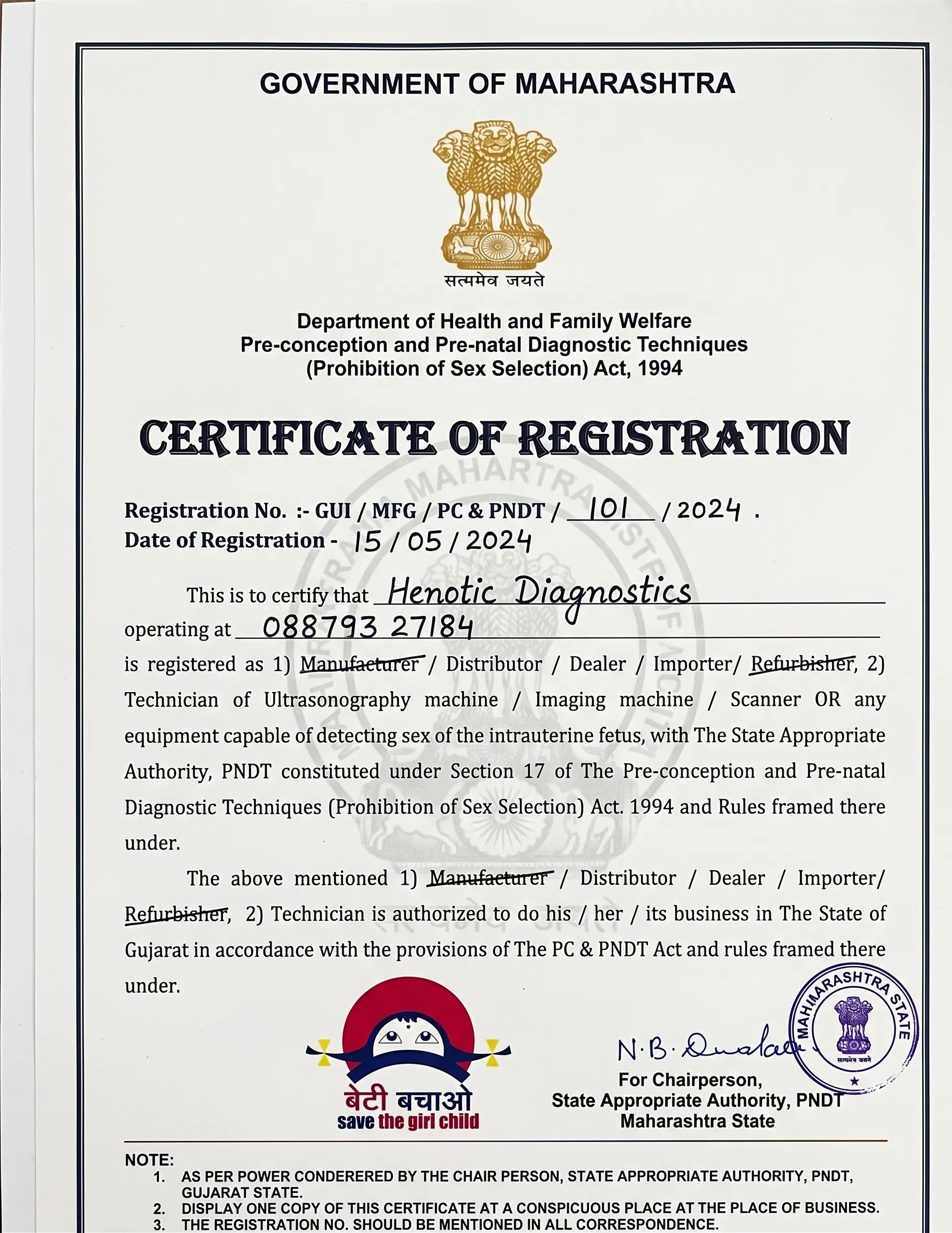
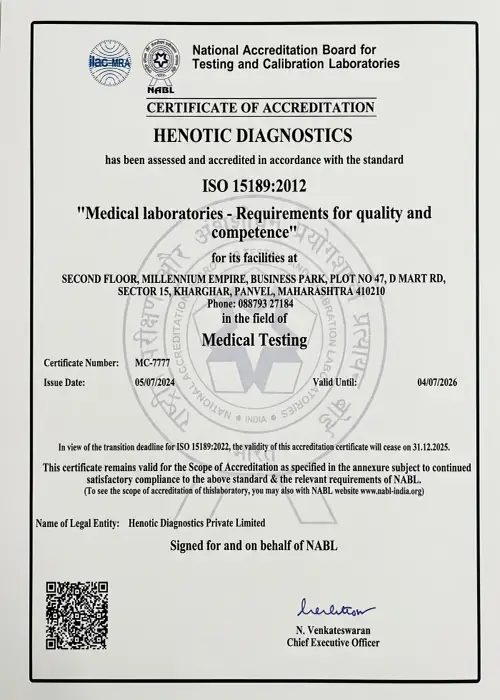
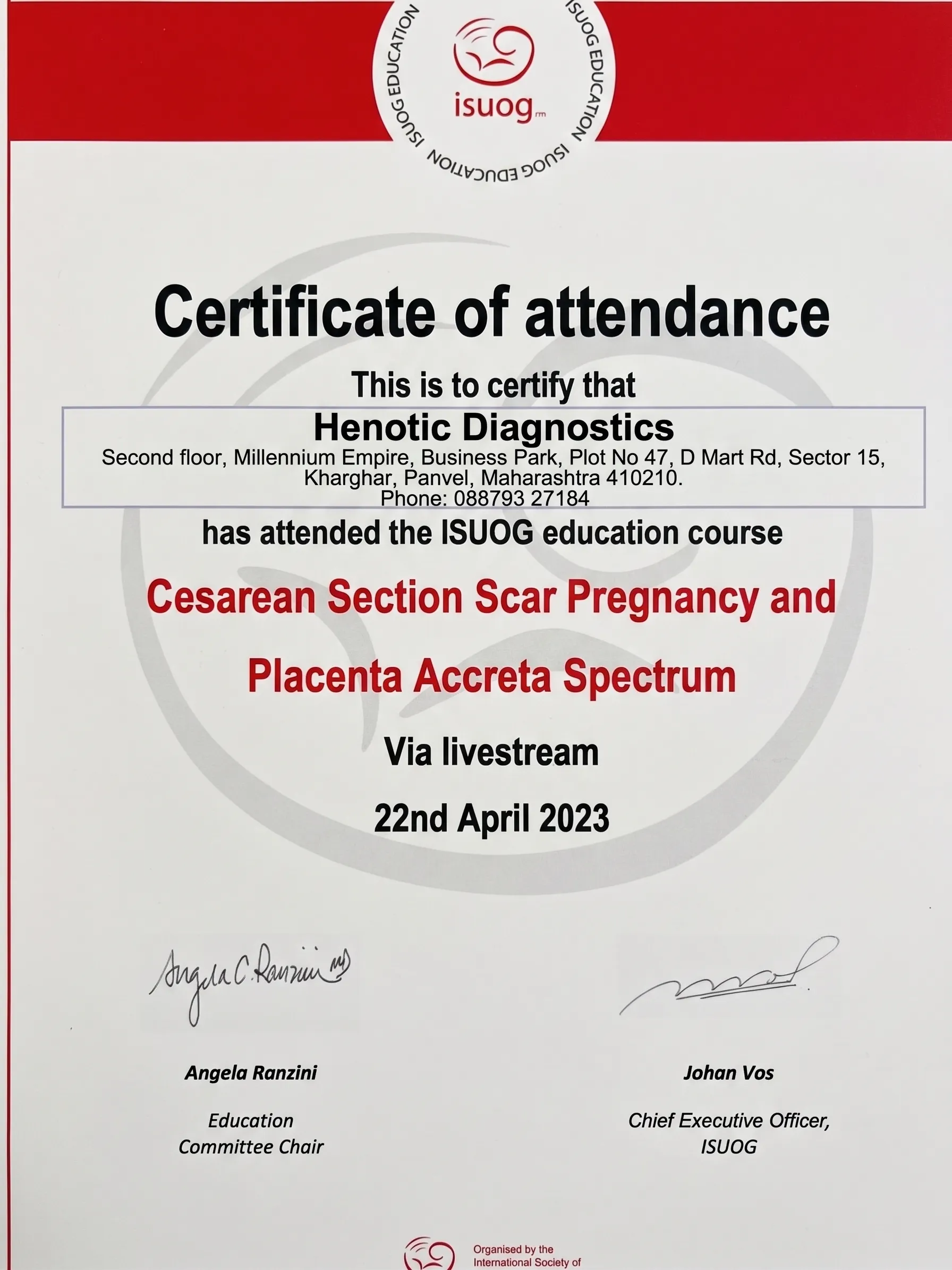
Our Accreditations & Quality Standards
Certified excellence ensuring third-gen long read depth, bioinformatic structural variant calling accuracy, and patient privacy.
What Our Patients Say
Real feedback from patients who completed Long Read Genome Sequencing with us.
⭐⭐⭐⭐⭐
“After two negative short-read WES tests, Long Read Sequencing identified a complex structural inversion explaining my son’s ataxia. Furthermore, treatment strategy finally became clear!”
– Arvind N.
Verified Patient Review
⭐⭐⭐⭐⭐
“Extremely precise repeat expansion measurement for Huntington disease risk evaluation. In addition, sample home collection was seamless.”
– Neha T.
Verified Patient Review
⭐⭐⭐⭐⭐
“Pioneering NABL accredited third-generation sequencing center. Henotic Diagnostics is our trusted referral laboratory for complex long-read genomics.”
If you require Long Read Genome Sequencing for repeat expansion, structural variant, or unsolved rare genetic disease evaluation, do not delay. Call to schedule your sample collection.
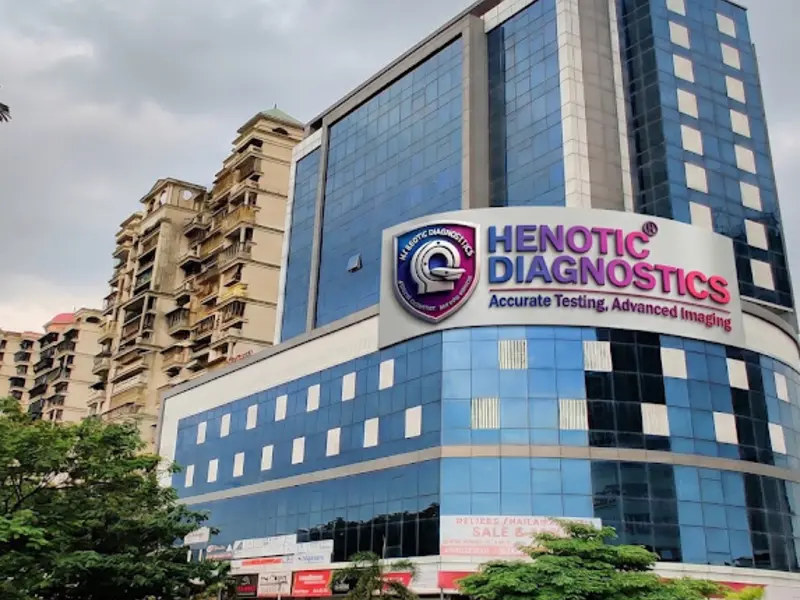
Henotic Diagnostics
Second floor, Millennium Empire, Business Park, Plot No 47, D Mart Rd, Sector 15, Kharghar, Navi Mumbai, Panvel, Maharashtra 410210
Common Questions About Long Read Genome Sequencing
You can book your Long Read Genome Sequencing appointment at our Navi Mumbai center through multiple convenient channels: call us directly at 088793 27184, send a WhatsApp message for instant booking, or use the online booking form on our website. Walk-in appointments are also welcome based on slot availability. We recommend advance booking to ensure zero wait times.
Yes, Henotic Diagnostics Navi Mumbai is empanelled with all major insurance companies and TPAs (Third Party Administrators) including Star Health, ICICI Lombard, New India Assurance, HDFC Ergo, Max Bupa, Bajaj Allianz, and many more. We offer cashless processing for Long Read Genome Sequencing where applicable. Please carry your insurance card and a valid ID for seamless processing.
At Henotic Diagnostics Navi Mumbai, most Long Read Genome Sequencing reports are delivered within 2-6 hours for routine tests. Critical and urgent reports are expedited on a priority basis. All reports are delivered digitally via WhatsApp, email, and our secure online patient portal. Hard copies are also available at the center upon request. You will receive an SMS/WhatsApp notification the moment your report is ready.
Henotic Diagnostics Navi Mumbai operates 24 hours a day, 7 days a week, including Sundays and public holidays. This means you can schedule your Long Read Genome Sequencing at a time that is most convenient for you — early morning, late evening, or even overnight for emergency requirements. Our radiology and pathology departments maintain round-the-clock availability.
Yes, Henotic Diagnostics Navi Mumbai is fully accredited by NABL (National Accreditation Board for Testing and Calibration Laboratories) and ISO 9001:2015 certified. Our radiology equipment also complies with AERB (Atomic Energy Regulatory Board) safety standards. These accreditations ensure that every Long Read Genome Sequencing performed at our facility meets the highest national and international quality benchmarks for accuracy, safety, and reliability.