24/7 Emergency Ambulance & Critical Life Support
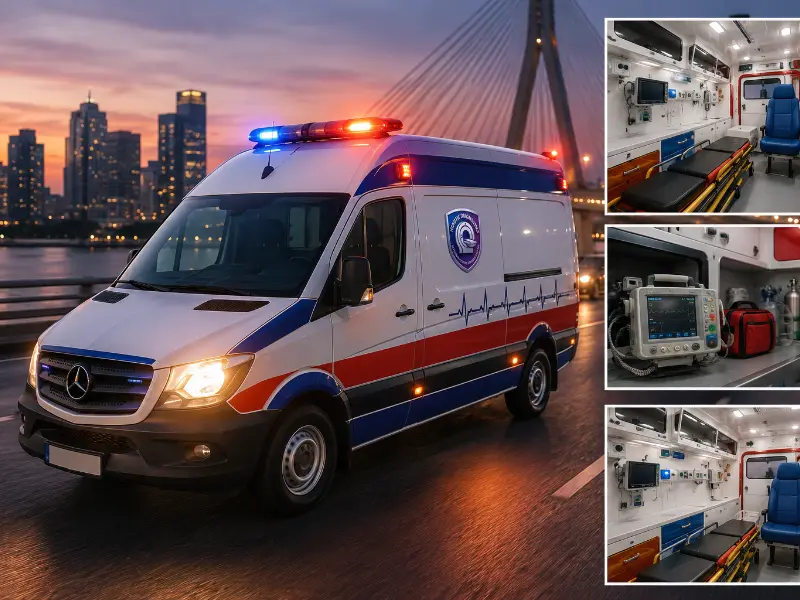
Rapid-response medical transit, ICU on wheels, cardiac life support, and ventilator ambulances equipped for emergency hospital transfers and patient care.
When seconds count, Henotic Diagnostics delivers instant emergency dispatch. Our advanced life-support ambulances and certified paramedics ensure continuous clinical care from pickup to hospital delivery.
Fast Medical Dispatch & Patient Transport
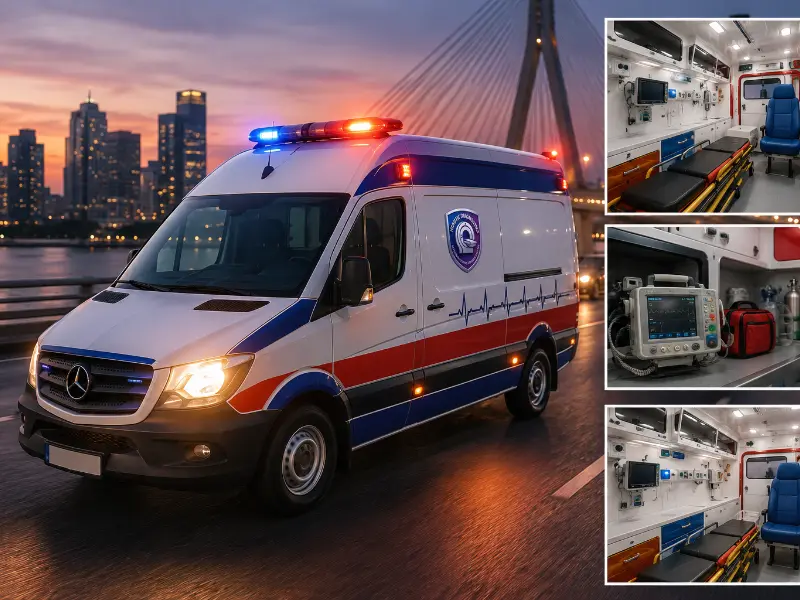
From critical emergencies to scheduled transfers, our medical transit network coordinates rapid bed-to-bed care across homes, diagnostic centers, and multi-specialty hospitals.
- Critical Emergency Response: Immediate dispatch for cardiac events, stroke, trauma, and respiratory distress.
- Hospital Emergency Admissions: Direct transfer from home or office straight to emergency departments.
- Inter-Hospital ICU Transfers: Seamless bed-to-bed transit for high-dependency patients requiring advanced care.
- Post-Op & Discharge Transit: Safe stretcher transportation for recovering and bedridden individuals.
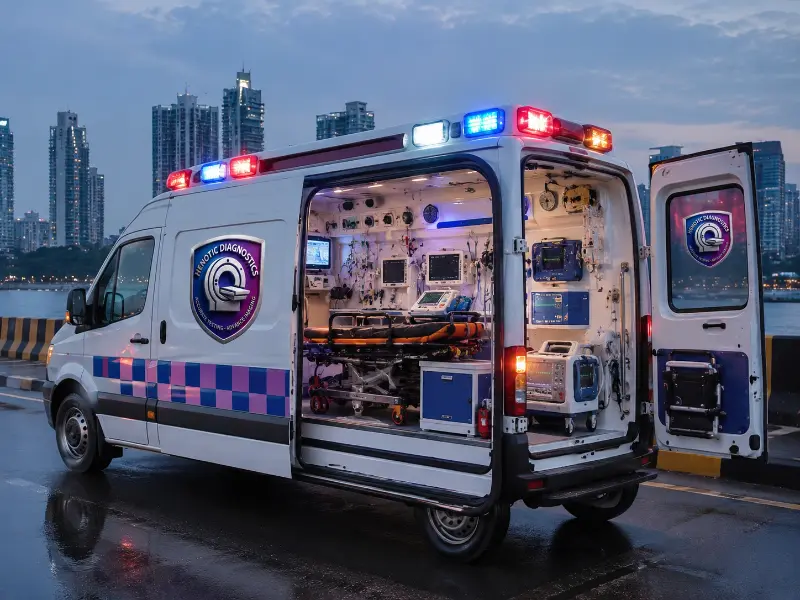
- Continuous Life Support: Specialized vehicles with invasive ventilators, cardiac monitors, and central oxygen.
- Scheduled Medical Visits: Reliable non-emergency transport for dialysis, chemotherapy, and routine scans.
Ambulance Fleet & Capability Matrix
Review our specialized ambulance categories, onboard clinical systems, and medical suitability below:
| Ambulance Category | Clinical Equipment & Medical Suitability |
|---|---|
| Basic Life Support (BLS) | Auto-loading stretcher, medical oxygen cylinder, first-aid kit, vital signs monitor, and trained EMT. Best for stable patients, routine hospital discharges, and minor trauma. |
| Advanced Cardiac Life Support (ACLS) | Defibrillator, multiparameter cardiac monitor, emergency resuscitation drugs, pacing systems, and critical care staff. Ideal for acute chest pain, arrhythmia, and post-angioplasty transit. |
| Intensive Care Unit (ICU) Ambulance | Mobile ICU configuration with multi-channel vitals monitor, syringe infusion pumps, electric suction, emergency medication, and intensivist doctor/nurse. Built for critical organ support. |
| Ventilator Life Support Ambulance | Microprocessor transport ventilator (Invasive, CPAP, BiPAP modes), high-capacity oxygen manifold, and respiratory technician. Essential for intubated and acute respiratory failure cases. |
| Stretcher & Non-Emergency Transfer | Ergonomic auto-loading stretcher, wheelchair ramp, safety harness, and patient attendant. Designed for bedridden patients, fracture cases, and routine diagnostic visits. |
| Inter-Hospital Critical Transfer | Continuous arterial and hemodynamic monitoring, motorized infusion units, dual power backup, and advanced life support crew for long-distance facility shifting. |
| Scheduled Dialysis & Therapy Transit | Comfort-suspension vehicle, sanitized cabin, wheelchair and stretcher access for recurring chemotherapy, radiation, and dialysis appointments. |
Specialized Ambulance Fleet
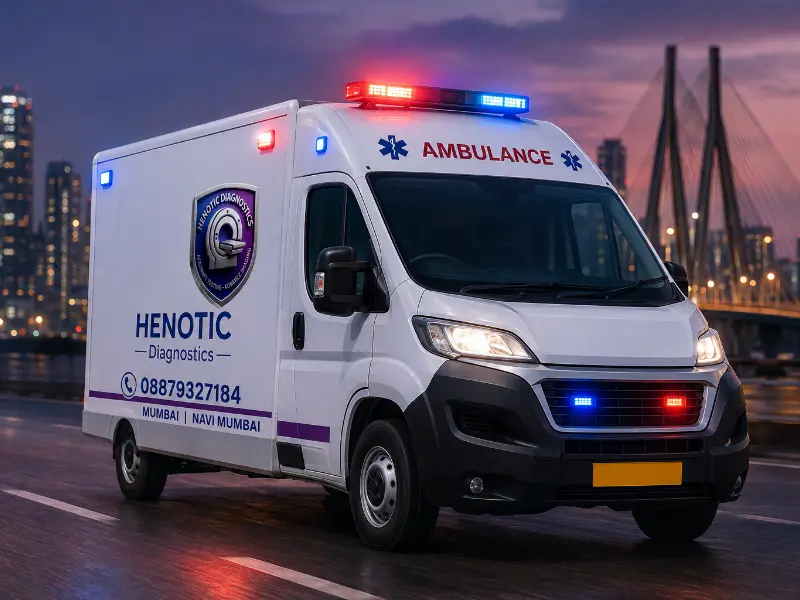
1. Emergency Life Support
Built for rapid response during acute health crises with auto-loading stretchers, vital diagnostic tools, and high-flow oxygen.
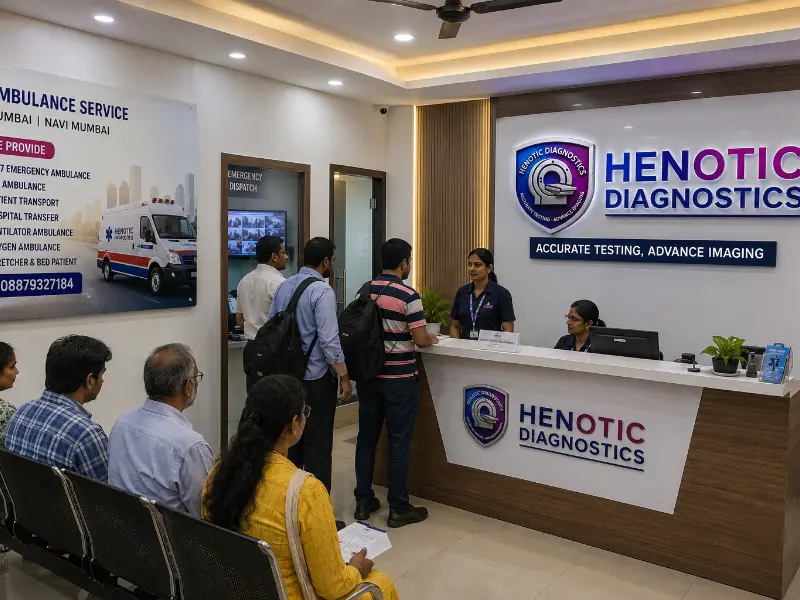
2. Mobile ICU Unit
Engineered as an intensive care unit on wheels with invasive hemodynamic monitoring, precision infusion pumps, and dedicated power systems.
3. Ventilator Life Support
Dedicated transit for intubated patients powered by high-capacity oxygen manifolds and microprocessor transport ventilators.
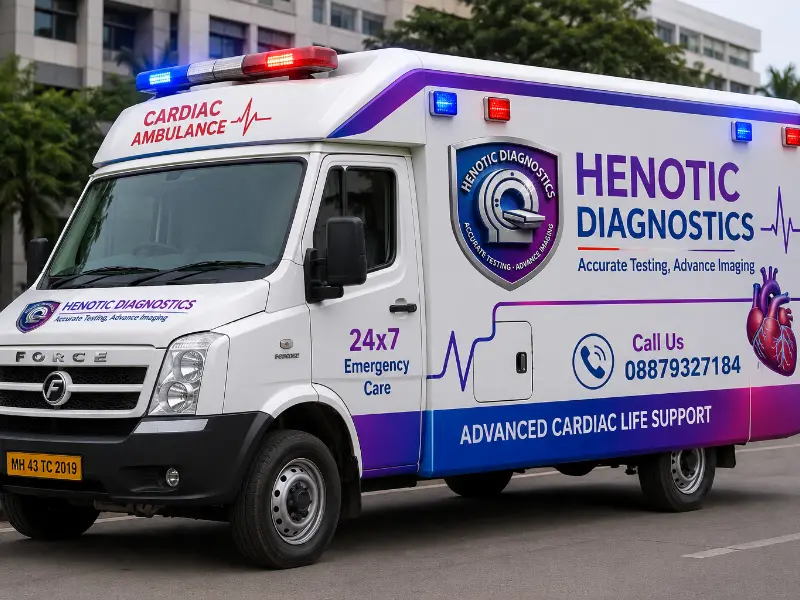
4. Cardiac Emergency Unit
Specialized for acute cardiovascular events with biphasic defibrillators, 12-lead ECG monitors, and cardiac emergency medications.
5. Stretcher & Patient Transfer
Smooth, safe transport for mobility-limited and bedridden individuals for hospital discharge, clinic checkups, and routine therapy.
Critical Symptoms: Call Immediately
Do not delay transport when experiencing these critical medical warning signs:
- Crushing chest pain radiating to the neck, left arm, or jaw
- Sudden shortness of breath, gasping, or low oxygen levels
- Facial drooping, arm weakness, or speech difficulty (Stroke signs)
- Sudden loss of consciousness, fainting, or severe seizures
- Major trauma, uncontrolled bleeding, or suspected fractures
- Acute, sudden abdominal pain with collapse or vomiting
Seamless Healthcare Transit Network
Our fleet bridges all care facilities, ensuring rapid and safe transfers between critical points of care:
- Residential Transfers: Smooth bed-to-vehicle transfers from high-rise towers and private residences.
- Hospital Emergency Rooms: Immediate emergency delivery with advance notification to the receiving trauma team.
- Diagnostic & Imaging Centers: Stretcher-assisted transfers for MRI, CT scans, and diagnostic evaluations.
- Daycare & Dialysis Units: Punctual, scheduled non-emergency transport for routine dialysis and cancer therapies.
- Rehabilitation Centers: Safe long-term transit for orthopedic and neurological recovery patients.
- Workplace Emergencies: Fast on-site evacuation for industrial and workplace trauma.
Advanced Onboard Medical Technology
Every ambulance is maintained to high clinical hygiene standards and equipped with certified life-saving equipment:
- Multiparameter Patient Monitors: Real-time tracking of NIBP, SpO2, ECG, EtCO2, pulse, and temperature.
- Biphasic Defibrillators: Rapid cardiac resuscitation with synchronized cardioversion.
- Transport Ventilators: Advanced micro-processor ventilation with adult and pediatric settings.
- Dual Oxygen Systems: Central high-capacity oxygen pipeline backed by portable emergency cylinders.
- Electric Airway Suction: High-vacuum suction apparatus for emergency pulmonary clearing.
- Ergonomic Auto-Stretchers: Shock-dampening stretchers, scoop boards, and spine immobilizers.
- Emergency Medication Kits: Fully stocked with critical intravenous medications, cannulas, and airway sets.
Why Choose Henotic Diagnostics
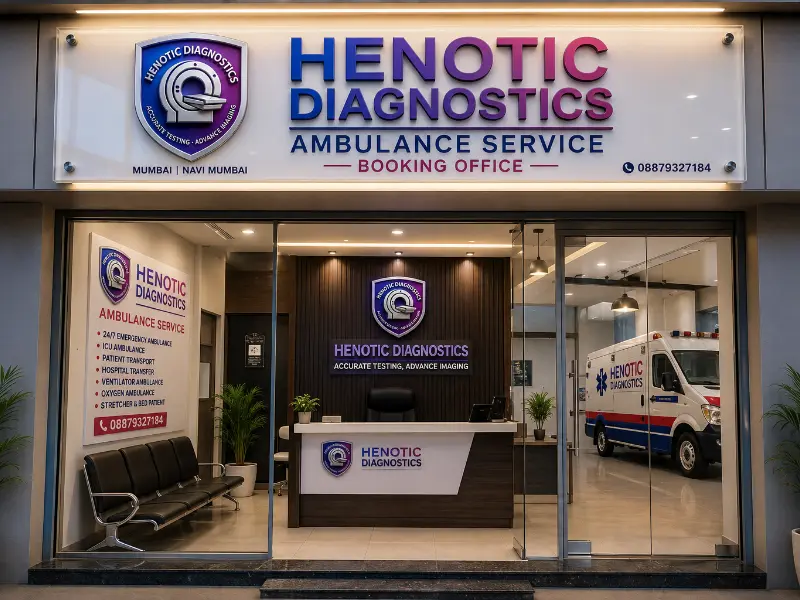
- Instant Call Response: Speak directly to an emergency dispatcher without menu delays.
- Accurate Vehicle Matching: Immediate assignment of BLS, ACLS, or ICU units based on patient condition.
- Certified Medical Personnel: Experienced paramedics, critical care nurses, and trained EMT drivers.
- Sterilized Clinical Cabins: Full cabin sanitization after every single transfer to prevent cross-contamination.
- Hospital Integration: Direct communication with receiving hospital trauma teams for seamless handovers.
- Transparent Pricing: Clear, upfront booking confirmation with real-time ETA updates.
Book an Ambulance in 3 Fast Steps
Share Details
Provide the pickup address, destination hospital, current medical condition, and life-support requirements.
Confirm & Track
The nearest equipped ambulance is immediately dispatched with real-time arrival tracking provided to you.
Emergency Dispatch Checklist
To ensure fastest response and correct vehicle setup, please have the following ready:
- Pickup Address: Building name, floor number, and closest landmark.
- Destination: Receiving hospital or destination facility.
- Patient Status: Symptoms, consciousness level, and medical history.
- Special Equipment: Need for oxygen, ventilator, cardiac monitor, or scoop stretcher.
- Mobility: Walking, wheelchair, or strictly bedridden.
Frequently Asked Questions
How quickly is the ambulance dispatched?
Dispatch begins immediately during your call. The closest suitable ambulance is routed right away. Call 08879327184 for real-time ETA.
Can a doctor accompany the patient in an ICU ambulance?
Yes. ICU ambulances can be staffed with critical care doctors or trained emergency medical officers upon request.
Is continuous oxygen provided during transit?
Yes. Our ambulances feature centralized oxygen systems with precision flow meters to guarantee uninterrupted oxygen delivery.
How are inter-hospital transfers managed?
We provide full bed-to-bed transfers with vital sign monitoring between sending and receiving medical facilities.
Can I schedule non-emergency ambulance transport in advance?
Yes. Pre-booking is available for dialysis, chemotherapy, post-op discharges, and diagnostic imaging appointments.
Do you carry stretchers for buildings without elevators?
Yes. Our crew utilizes specialized scoop stretchers, spine boards, and canvas stretchers to safely navigate staircases.
What is the difference between BLS and ACLS ambulances?
BLS provides basic first aid and oxygen support, while ACLS includes defibrillators, cardiac monitors, and advanced resuscitation equipment.
What payment options are accepted?
We accept UPI, online bank transfers, and cash. Official receipts are issued for medical insurance reimbursement.