Ultrasound Scan Overview
Sonography, also called an Ultrasound scan or USG, is a safe and painless imaging test. Specifically, it uses high-frequency sound waves to create pictures of organs, tissues, muscles, blood vessels, and an unborn baby inside the body. Indeed, this procedure does not use radiation, which makes it safe for people of all ages, including expectant mothers and children. Furthermore, whether your doctor wants to examine the abdomen, pelvis, kidneys, liver, thyroid, or monitor a pregnancy, ultrasound provides quick and accurate results at Henotic Diagnostics, Kharghar.
What is Diagnostic Sonography?
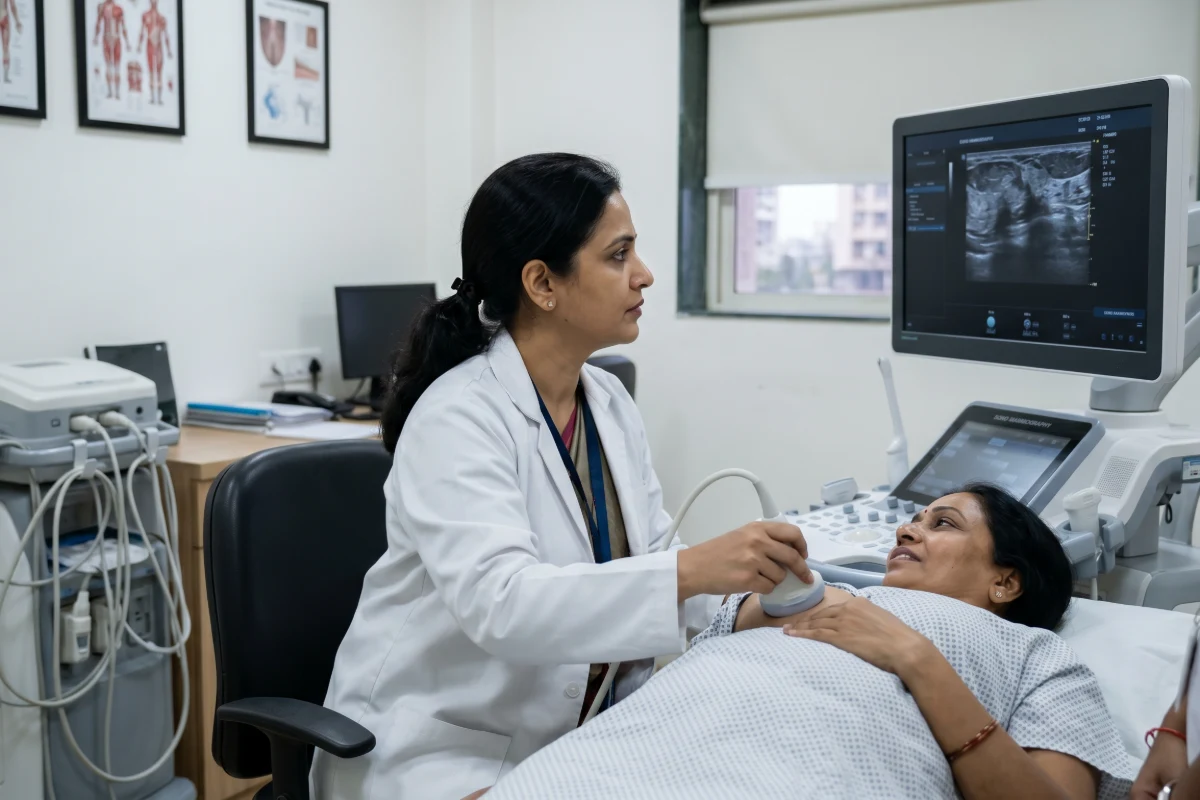
This is a diagnostic imaging test that allows doctors to see inside the body without surgery. Essentially, a handheld device called a transducer moves over the skin and sends sound waves into the body. Consequently, these waves create live images because they bounce back to a monitor, helping doctors diagnose many health conditions.
Why is a USG Scan Recommended?
Physicians suggest this exam to address various medical needs. Specifically, it is used to:
- Check abdominal pain and find the cause of localized swelling.
- Additionally, detect kidney stones and examine the liver and gallbladder.
- Diagnose urinary problems and evaluate pelvic organs.
- Moreover, monitor pregnancy and detect deep cysts or tumors.
- Check the thyroid gland, examine breast lumps, and assess blood flow using Doppler.
- Likewise, provide precise guidance for biopsies and other medical procedures.
Clinical Conditions Diagnosed via Sonography Scan
For example, sonography helps detect:
- Gallstones, kidney stones, and bladder stones.
- Additionally, fatty liver, liver cysts, ovarian cysts, and uterine fibroids.
- Enlarged prostate, urinary obstruction, thyroid nodules, and breast cysts.
- Furthermore, hernia, appendicitis (in selected cases), and fluid collection.
- Pregnancy complications, Deep Vein Thrombosis (with Doppler), and varicose veins.
Who Needs Sonography?
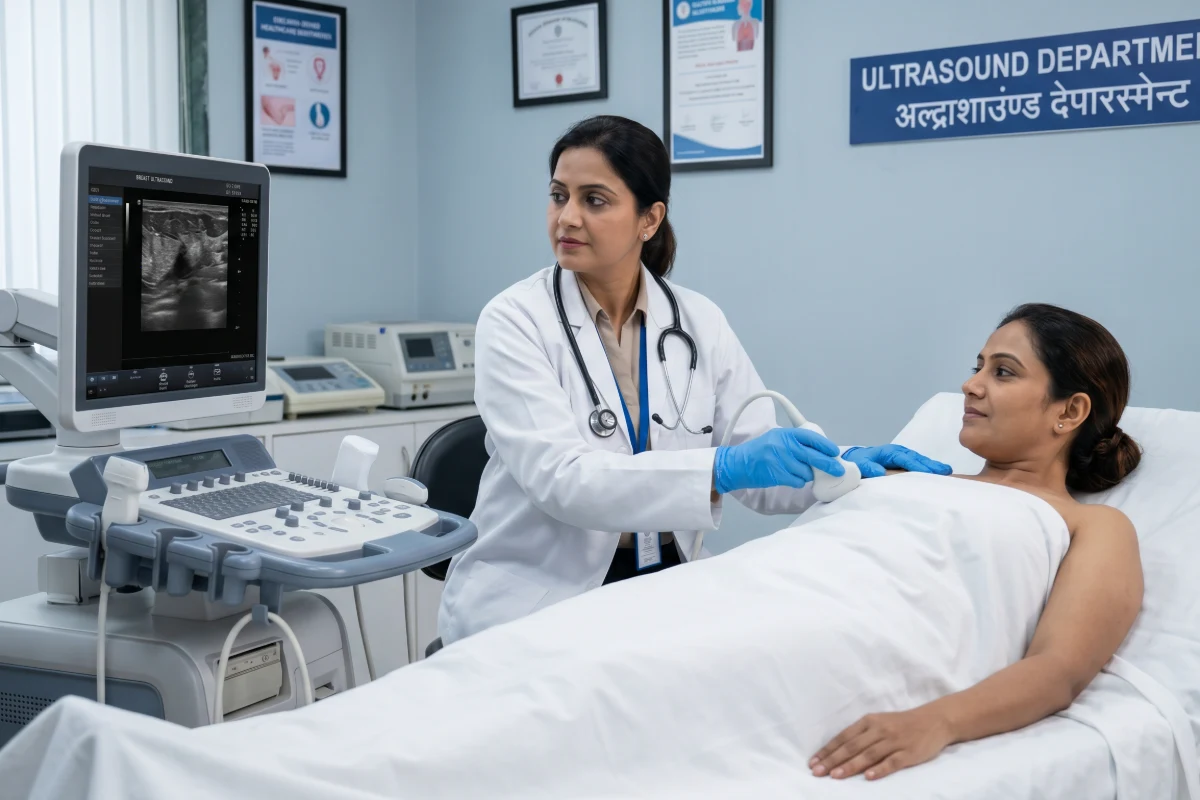
Generally, any individual experiencing unexplained pain, persistent swelling, or specific internal discomfort may be a candidate for this diagnostic test. Specifically, expectant mothers require regular scans to monitor fetal growth, while individuals with suspected issues involving the liver, kidneys, or thyroid often need sonography for a definitive diagnosis. Additionally, people with vascular concerns or those requiring image-guided biopsies benefit from this non-invasive technology.
Common Sonography Services
Depending on your requirements, we offer the following modalities:
- Abdomen Imaging: Checks the liver, gallbladder, pancreas, spleen, kidneys, and organs.
- Whole Abdomen Study: Examines all major abdominal organs in one scan.
- Pelvic Scan: Checks the uterus, ovaries, bladder, and prostate.
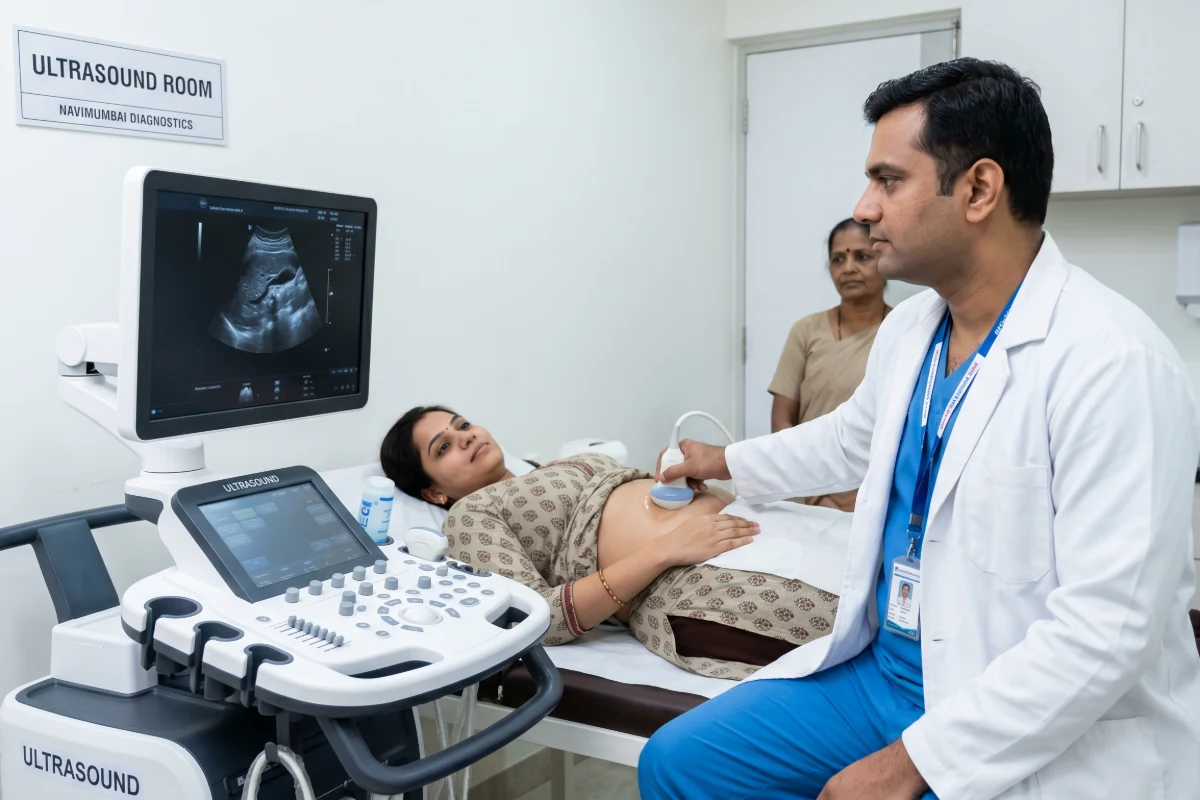
- Pregnancy Assessment: Monitors the baby’s growth, heartbeat, and development.
- NT Scan: Performed during early pregnancy to assess development.
- Anomaly Scan: A detailed scan to examine organs and detect birth defects.
- Growth Scan: Measures the baby’s growth progress.
- Doppler Study: Evaluates blood flow in arteries and veins.
- Kidney & Liver Checks: Evaluates stones, infections, and liver masses.
- Thyroid & Breast: Examines nodules, swelling, lumps, and cysts.
- Scrotal & Soft Tissue: Checks pain, swelling, varicocele, and muscle injuries.
- Musculoskeletal: Evaluates muscles, tendons, ligaments, and joints.
Organs and Areas Examined
Broadly, our sonography services cover a comprehensive range of internal structures to assist in accurate diagnosis. The following table summarizes the common organs we examine and the conditions we check for:
| Organ |
Common Conditions Checked |
| Liver | Fatty liver, cysts, tumors |
| Gallbladder | Gallstones |
| Kidneys | Stones, infection |
| Pancreas | Inflammation |
| Spleen | Enlargement |
| Bladder | Stones, urinary retention |
| Uterus | Fibroids |
| Ovaries | Cysts |
| Prostate | Enlargement |
| Thyroid | Nodules |
| Breast | Lumps and cysts |
Core Benefits of the Diagnostic Sonography Scan
Choosing this imaging service offers significant advantages because:
- There is no radiation exposure, making it safe during pregnancy.
- Moreover, it is a non-invasive, painless, and quick examination.
- It provides real-time, accurate, and cost-effective results for all ages.
Is Sonography Safe?
Yes. This imaging modality is considered one of the safest tests available because it does not use ionizing radiation. Additionally, it is widely and safely used for expectant mothers, children, and adults for various medical indications, as per official alara safety guidelines.
Patient Checklist: What to Bring
To ensure a smooth experience, please bring the following items for your appointment:
- A valid doctor’s prescription or referral note.
- Any past medical reports or previous ultrasound scan results for clinical comparison.
- Your identification card and current insurance documents.
Patient Preparation Guidelines
Preparation varies depending on the specific scan type:
| Scan Type |
Preparation |
| Abdomen Scan | 6–8 hours fasting |
| Pelvic Scan | Full bladder |
| Pregnancy Scan | Drink water if advised |
| Kidney Scan | Drink water before scan |
| Thyroid/Breast/Doppler | No preparation usually needed |
Always follow the specific instructions provided by your doctor.
How is a Sonography Performed?
The procedure follows a clear clinical flow to ensure accuracy:
- You lie comfortably on the examination table.
- Next, a clear gel is applied to the skin.
- The sonographer gently moves the probe over the target area.
- Consequently, images appear instantly on the monitor for doctor review.
- The entire process usually finishes within 15–30 minutes.
Estimated Scan Duration Timelines
| Examination |
Approximate Time |
| Abdomen Scan | 20–30 minutes |
| Pelvic Scan | 20–30 minutes |
| Pregnancy Scan | 20–45 minutes |
| Doppler Exam | 30–60 minutes |
| Thyroid Scan | 15–20 minutes |
| Breast Scan | 20–30 minutes |
Risks and Safety Considerations
Clinically, sonography is considered extremely safe as it relies on sound waves rather than ionizing radiation. However, to ensure maximum safety, all examinations are conducted by trained professionals who follow strict ALARA (As Low As Reasonably Achievable) principles. Consequently, patients face virtually no medical risks, provided they follow pre-scan instructions carefully.
Reporting Timeframes
Generally, routine scans are processed promptly to aid your doctor’s decision-making. While many diagnostic reports are available on the same day, complex studies—such as detailed anomalies or Doppler assessments—might require additional review time. Please confirm the expected delivery time for your specific report with our staff upon registration.
|