
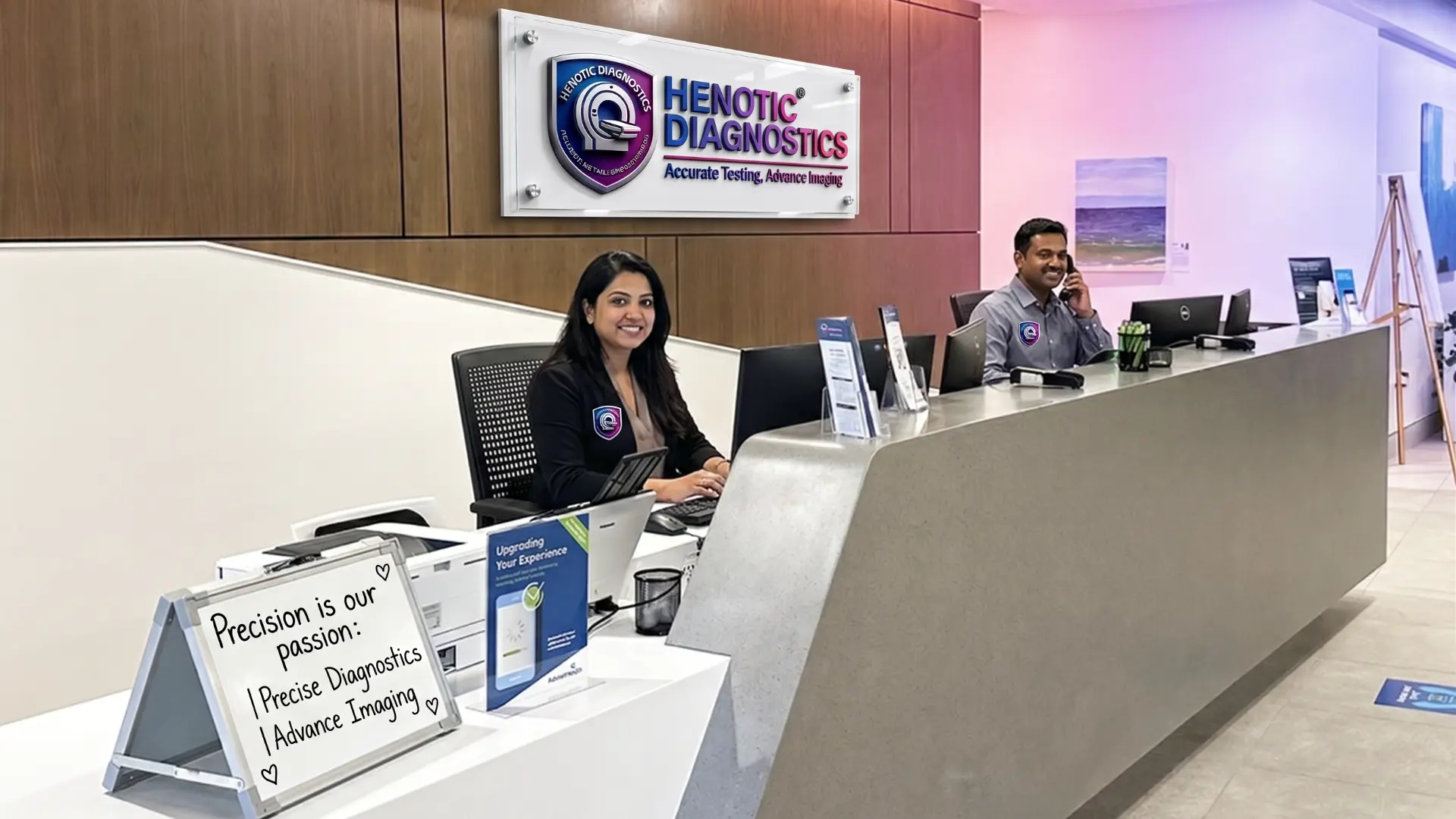
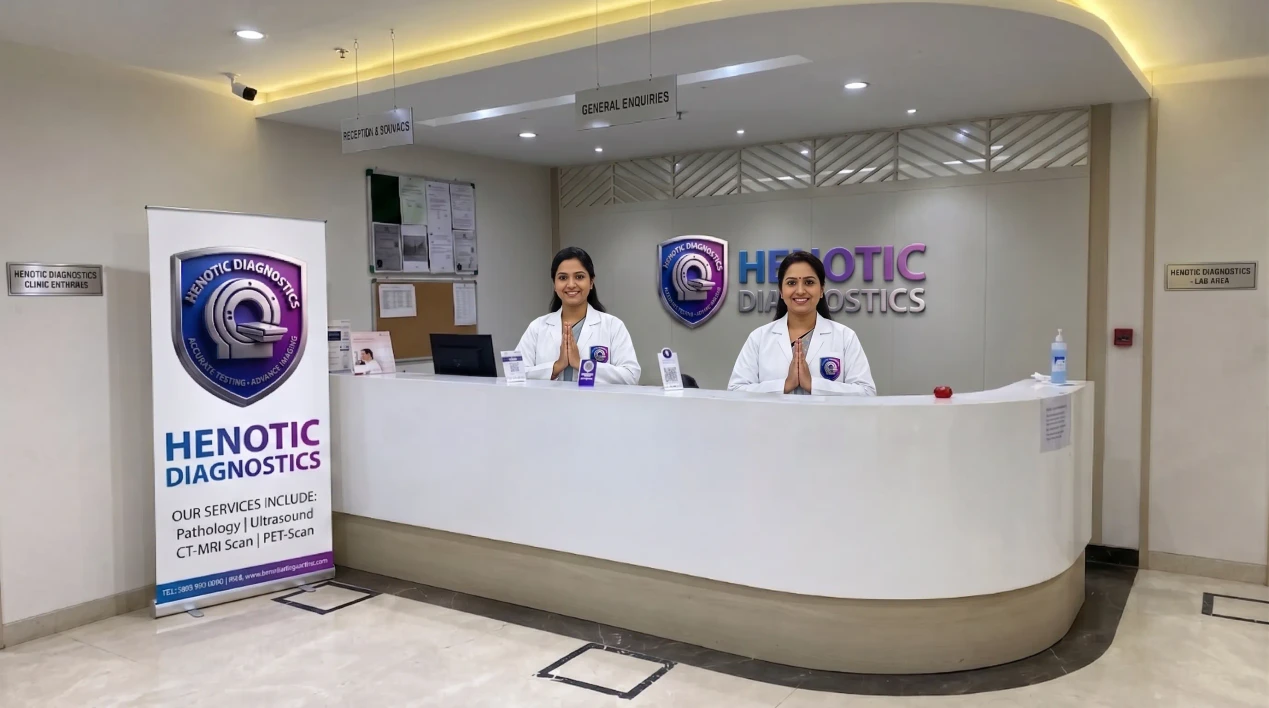
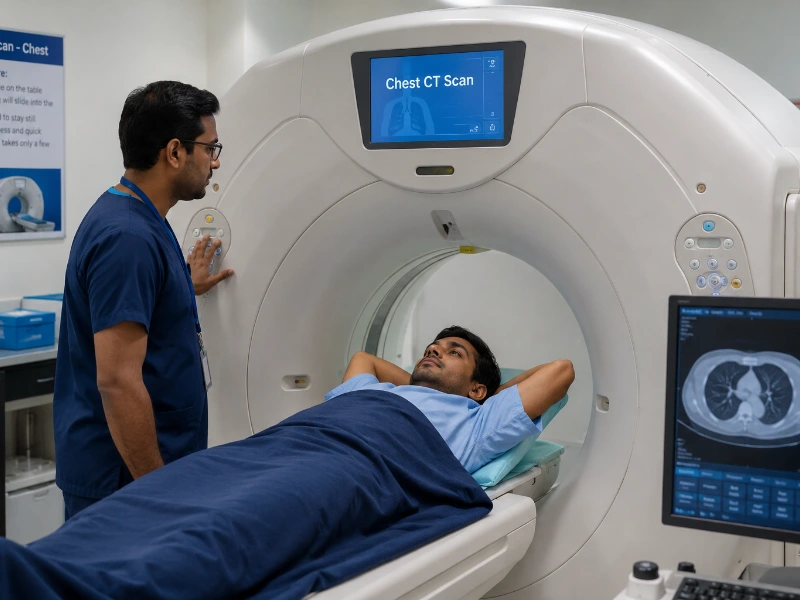

Corporate Booking Office (Main Center)
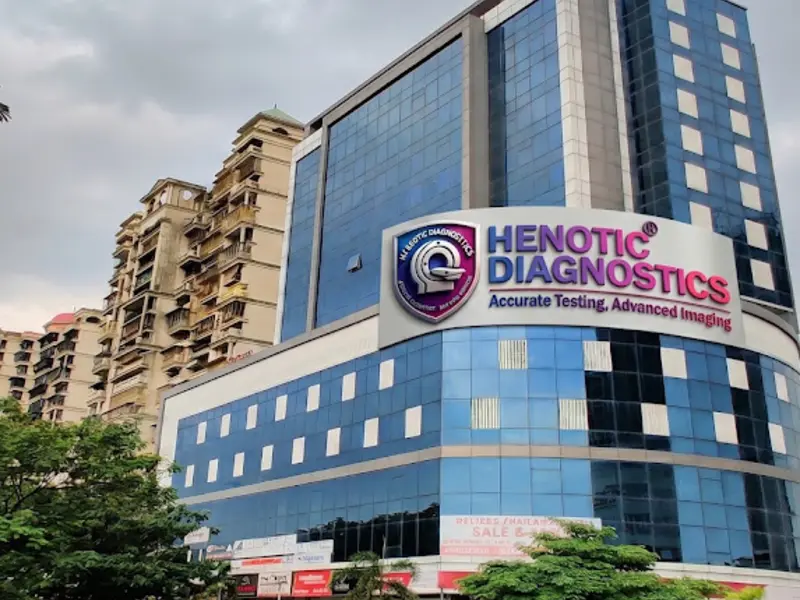
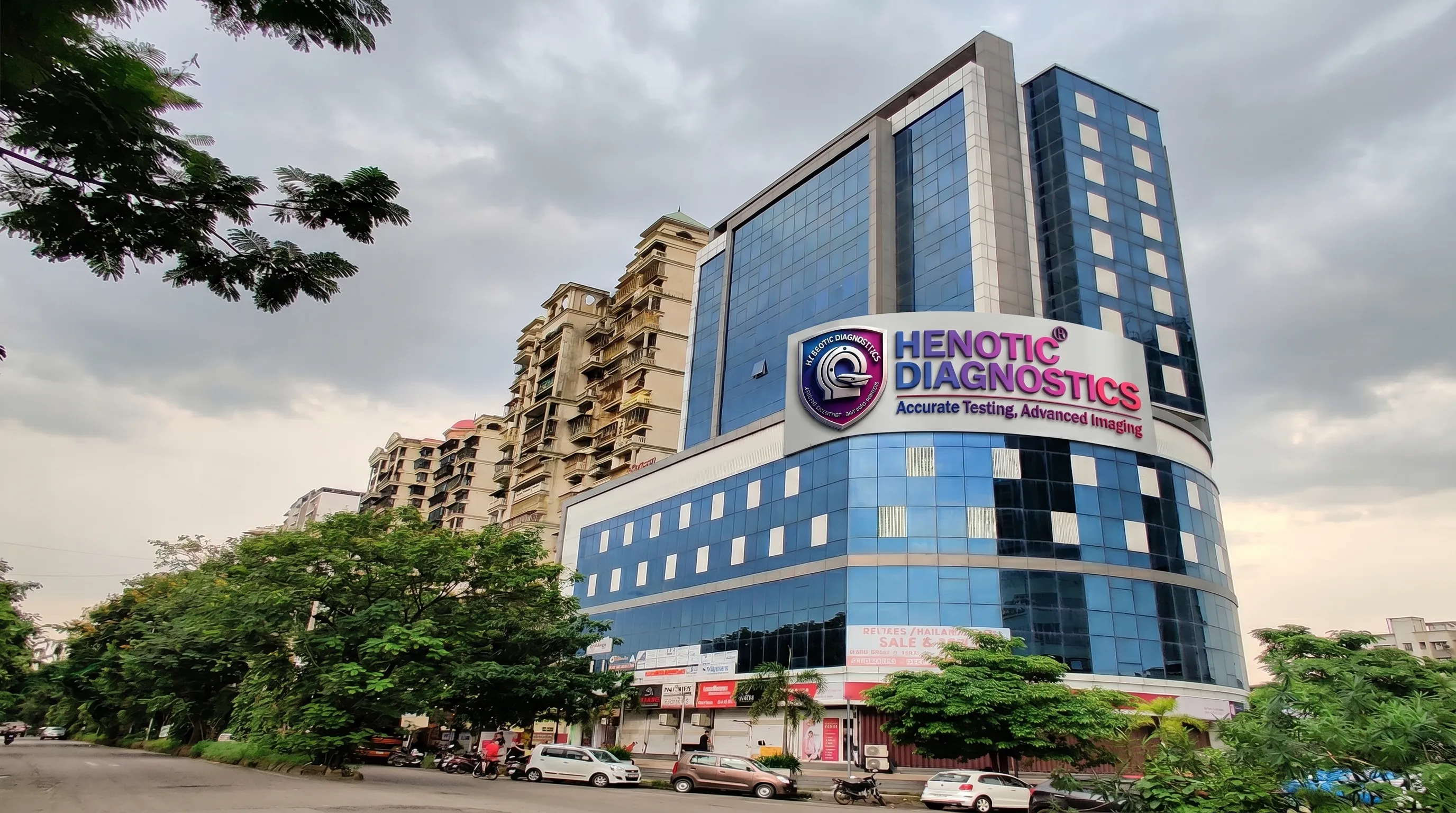
Address: Second floor, Millennium Empire, Business Park, Plot No 47, D Mart Rd, Sector 15, Navi Mumbai 410210
Hours: Open 24 hours
Connecting to our secure server
12 people booked MRI Scan
in Kharghar today • Verified
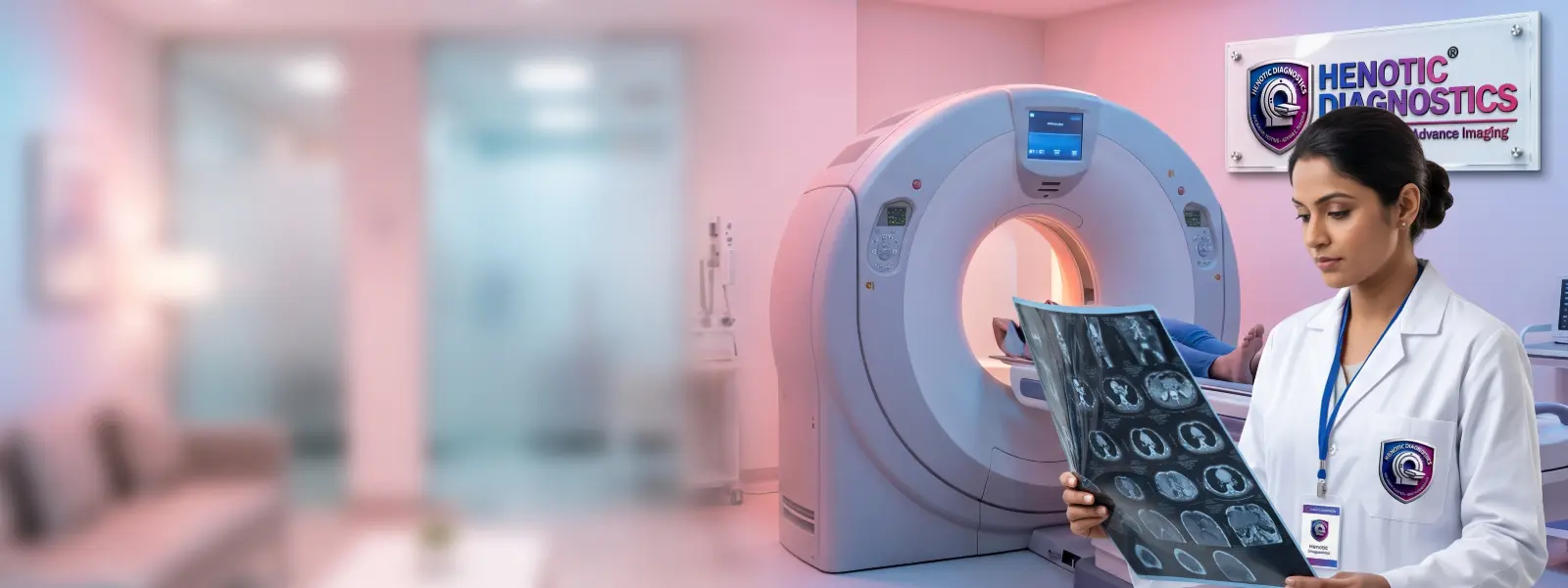
Access world-class diagnostic technology across our comprehensive network in Holter Monitor. Select your nearest neighborhood for priority booking.
Select your specific location to view tailored availability and book your slot.
Henotic Diagnostics operates high-precision flagship and diagnostic network hubs near you, providing standardized clinical scans and pathology.
Main Flagship & Corporate Booking Hub
See what our patients have to say about their diagnostic experience with us.



"Excellent service! The staff is very cooperative and the facility is spotless. Got my MRI done smoothly."
Posted on Google"State-of-the-art equipment and highly professional doctors. Reports were delivered on time via WhatsApp. Highly recommended."
Posted on Google"Very convenient location in Kharghar. The home collection team was punctual and well-trained. Great experience overall."
Posted on Google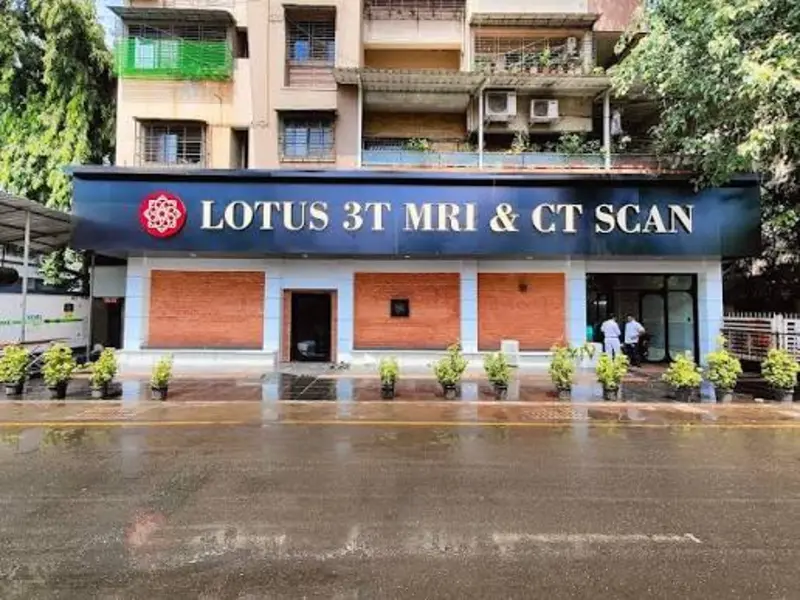
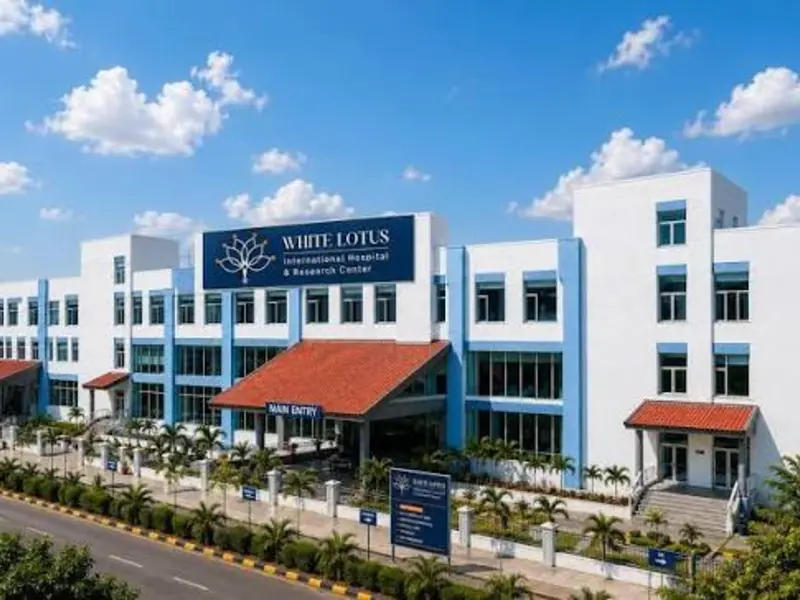

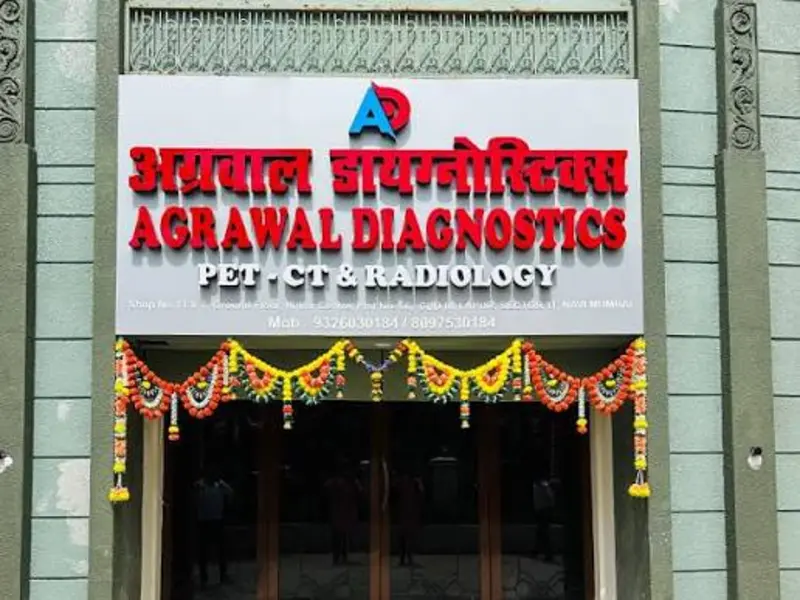
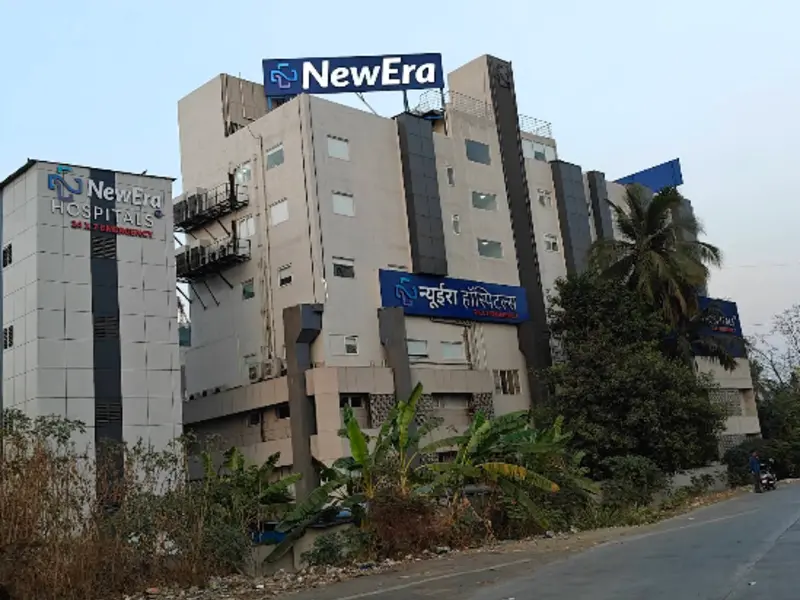
 View on Google Maps