What is a Lung Cancer Screening CT Scan?
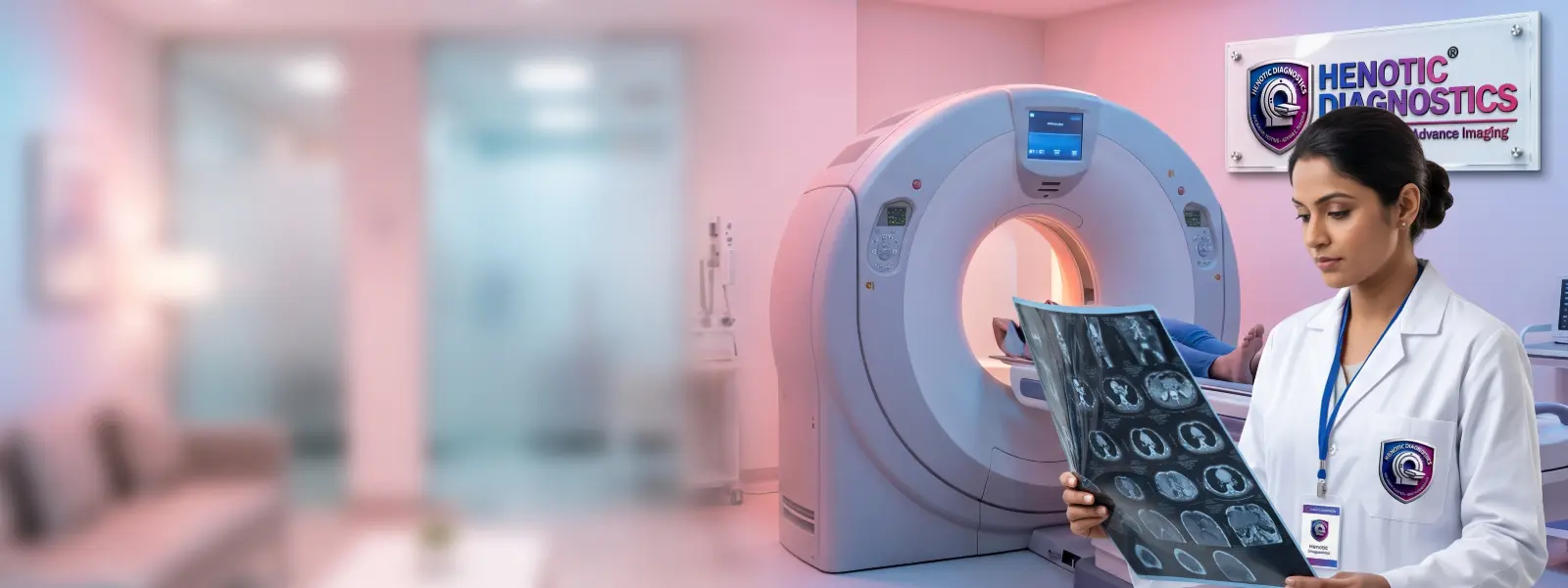
Specifically, a Lung Cancer Screening CT scan uses low-dose X-ray technology to examine your lungs for early signs of disease before symptoms appear. First, our technicians position you comfortably on the scanner table. Consequently, our advanced scanners capture rapid, detailed cross-sectional pictures of your chest cavity.
Therefore, doctors consider it a crucial preventive screening tool, particularly for high-risk individuals such as long-term smokers. For more detailed clinical information, you can read the RadiologyInfo guide on lung cancer screening. Similarly, if you require general soft tissue chest evaluations instead, you might prefer a standard HRCT chest scan.
Before Your Lung Cancer Screening CT Scan, Please Bring:
In order to ensure a smooth appointment, please review the required documents and preparation steps listed below.
- Doctor’s prescription: Valid referral from a registered medical practitioner.
- Previous reports: Past chest X-ray, CT, or pulmonary function reports for clinical comparison.
- Smoking history & records: Relevant clinical background details regarding smoking history or respiratory symptoms.
- Medications & History: List of current medications and relevant medical history (respiratory conditions, previous chest surgeries).
- Insurance documents: If applicable, bring your insurance ID card and photo ID for cashless processing.
Is Lung Cancer Screening CT Safe?
Meanwhile, lung cancer screening utilizes specialized low-dose CT protocols designed specifically to minimize radiation exposure while maintaining high diagnostic accuracy. Before your scan, our team reviews relevant medical history when clinically appropriate. Patients should inform the imaging team about pregnancy or other relevant health conditions.
Lung Cancer Screening CT Radiation Safety & Quality Standards
Furthermore, chest screening involves low-dose ionizing radiation. Our facility follows applicable radiation safety requirements and established protocols designed to minimize unnecessary exposure while maintaining diagnostic image quality.
Consequently, we maintain rigorous NABH, NABL, and AERB compliance standards to guarantee maximum safety for every patient visiting our center.