What Is a Paternity Test?
To begin with, a Paternity Test investigates whether an alleged father shares biological relationship markers with a child. At the same time, experts at Henotic Diagnostics analyze Short Tandem Repeat (STR) loci across cellular DNA to confirm or exclude biological paternity. To review clinical genetic testing guidelines, consult the NIH NHGRI Paternity Fact Sheet.
What Does a Paternity DNA Test Determine?
Specifically, a paternity DNA test investigates the biological father-child relationship. For instance, families request testing for personal peace of mind, court proceedings, inheritance verification, or official documentation. Consequently, the chosen testing procedure aligns with your specific legal or personal goals.
How Does DNA Establish Biological Paternity?
Because a child inherits 50% of their genetic code from each parent, molecular geneticists match paternal alleles against the alleged father’s DNA profile. Therefore, biostatistical algorithms compute the probability of paternity. Additionally, to read about clinical DNA identification, examine the Nature Reviews Genetics journal.
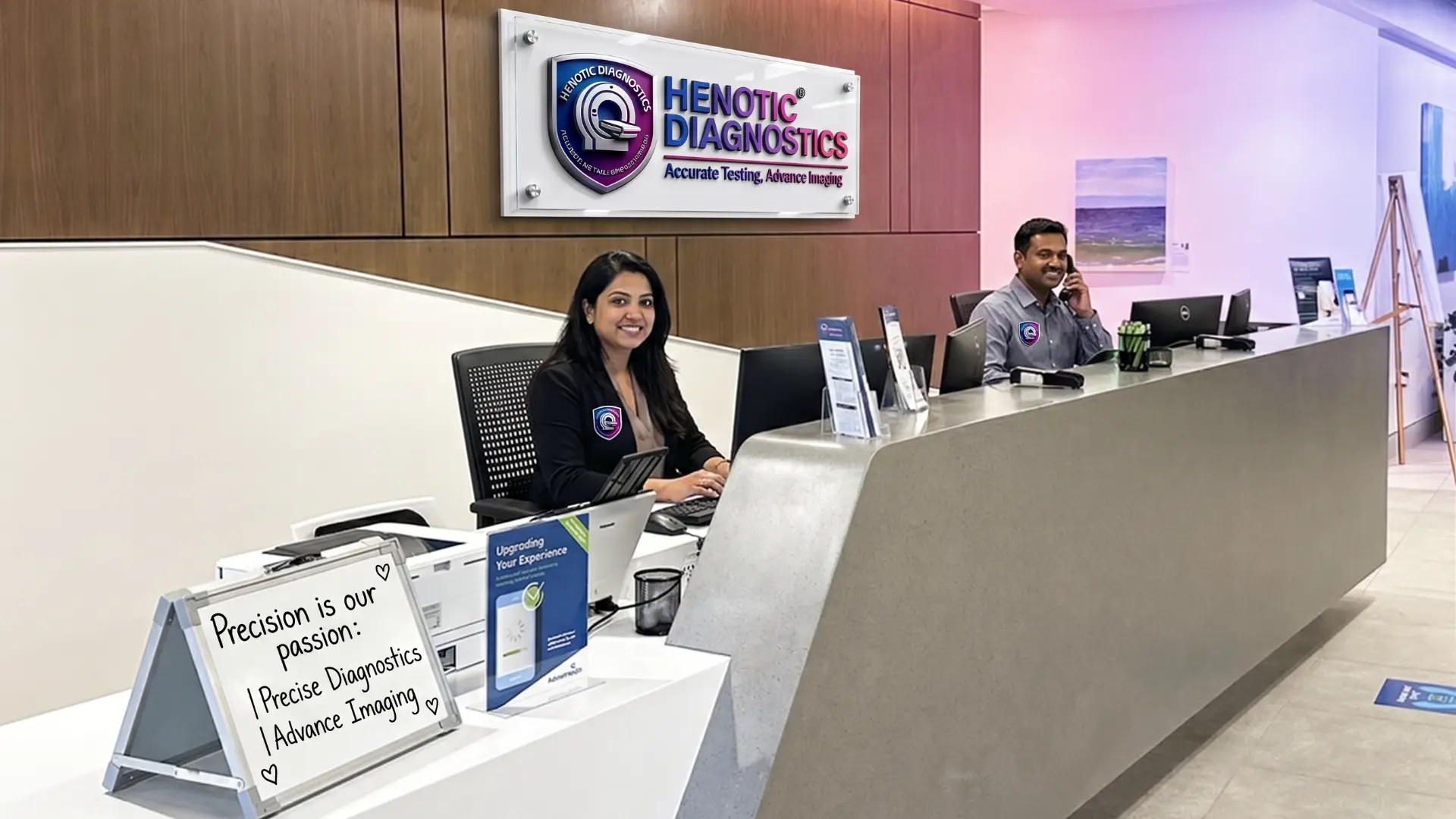
Paternity Test Reception & Consultation Lounge
 Furthermore, comfortable reception lounge providing supportive patient registration for confidential DNA sample collection.
How Does a Paternity DNA Test Work?
In general, a typical paternity DNA test follows a structured laboratory workflow from non-invasive sample collection through automated PCR amplification and biostatistical analysis.
Paternity Test DNA Sample Collection
First, swab collectors rub sterile cotton buccal swabs firmly against the inner cheek to harvest cheek epithelial cells.
Paternity Test DNA Extraction and Profiling
Second, automated magnetic bead systems extract genomic DNA, while multiplex PCR amplifies 24 to 40 Short Tandem Repeat (STR) genetic markers.
Paternity Test Genetic Marker Comparison
In addition, geneticists compare allele lengths at each STR locus between child and alleged father. Review the ClinVar NCBI variant database.
Paternity Test Statistical Analysis
Furthermore, biostatistical algorithms compute the Combined Paternity Index (CPI) to determine the overall probability of paternity.
Paternity Test Report
Finally, senior molecular pathologists sign and release the verified DNA report indicating inclusion (>99.999%) or exclusion (0%).
Automated Paternity Test DNA Analyzer Workstation
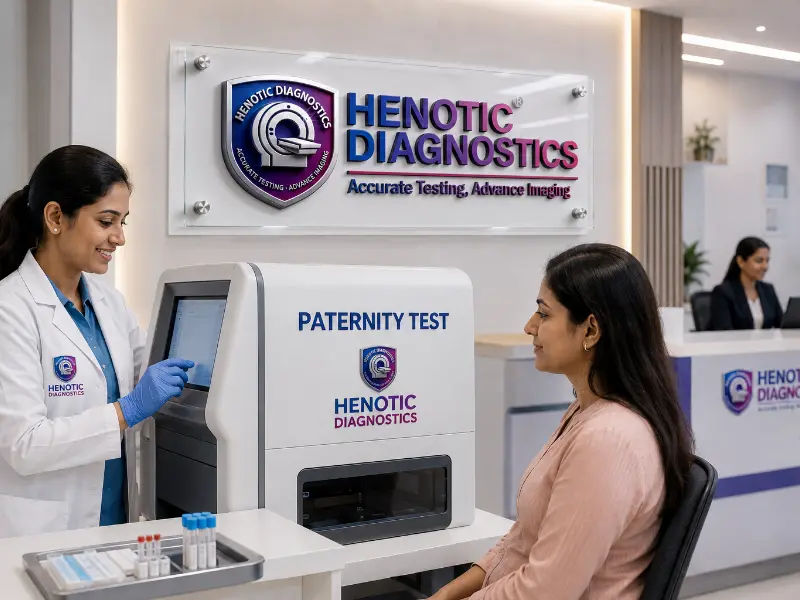 Additionally, high-precision capillary electrophoresis analyzers sequence STR loci to generate genetic profiles.
What Samples Are Used for Paternity Testing?
Paternity Test Buccal Cheek Swab
First, buccal cheek swabs provide an abundant source of nucleated epithelial cells painlessly without needles.
Is Blood Required for a Paternity Test?
Usually, no. Standard post-birth paternity tests use painless cheek swabs rather than blood because cheek cell DNA matches blood cell DNA perfectly.
Can Other Biological Samples Be Tested?
In addition, alternative forensic samples (such as hair follicles or fingernails) undergo specialized extraction when standard swabs are unavailable.
Electropherogram Bioinformatic Software
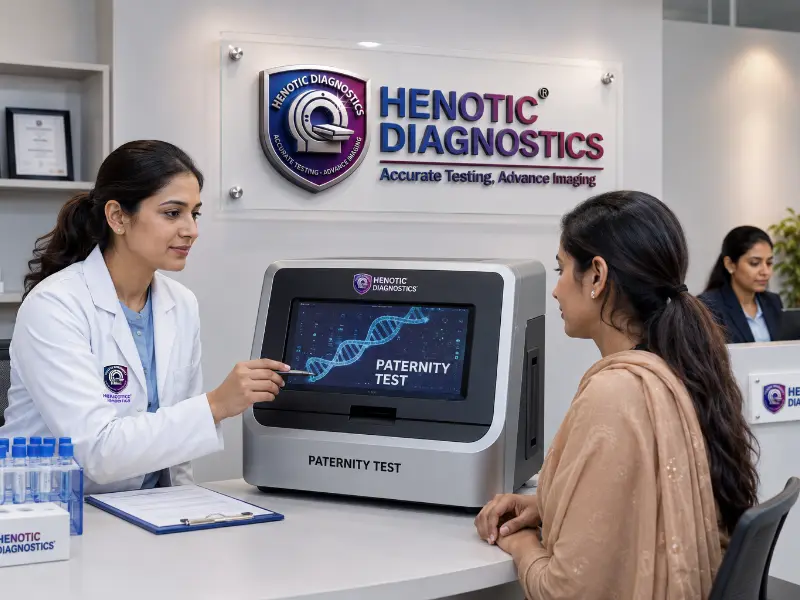 In addition, bioinformatic software plots STR electropherograms and computes the Combined Paternity Index (CPI).
Types of Paternity Testing
Peace-of-Mind Paternity Test
First, a peace-of-mind paternity test provides fast, confidential answers for personal knowledge using self-collected or clinic-collected swabs.
Legal Paternity Test
Second, a legal paternity test adheres to strict chain-of-custody protocols with neutral witness collection and photo ID verification. Review AABB Relationship Testing Standards.
Prenatal Paternity Test
In addition, Non-Invasive Prenatal Paternity (NIPP) testing analyzes circulating fetal cfDNA from maternal blood starting at 10 weeks of pregnancy.
Kinship DNA Testing
Finally, when an alleged father is deceased or unavailable, indirect kinship testing (grandparental or sibling DNA panels) reconstructs family pedigree links.
Which Paternity Test Is Right for You?
Selecting the appropriate test depends on whether your results are required for private reassurance or formal legal proceedings.
Personal or Peace-of-Mind Testing
Choose personal testing when you require fast, confidential answers for family clarity without court submission.
Legal or Official Testing
Select legal testing when results must be presented to courts, government agencies, or custody authorities.
Prenatal Paternity Testing
Select non-invasive prenatal testing if biological paternity confirmation is needed prior to childbirth.
When the Alleged Father Is Unavailable
Opt for indirect kinship testing involving paternal grandparents, aunts, uncles, or full siblings when direct paternal samples cannot be obtained.
Legal Paternity Testing
What Makes a Paternity Test Legal?
First, legal DNA testing enforces strict chain-of-custody protocols to guarantee participant identity and sample integrity.
Chain of Custody
Second, neutral witness collectors log every step of sample transport, handling, and analysis to satisfy court rules.
Identity Verification
In addition, authorized collectors capture government photo identification, passport photos, and thumbprints for every participant.
Documentation Requirements
Furthermore, legal cases require complete consent forms, guardianship approvals, and witnessed custody logs.
Court and Official Use
Finally, legal paternity reports carry full legal weight in court proceedings, child support cases, and immigration petitions.
Chain-of-Custody Document Verification
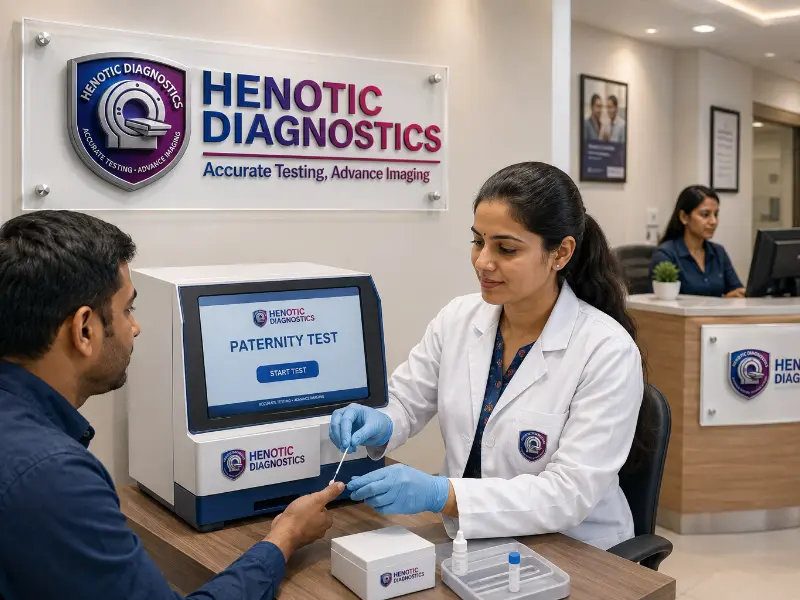 Moreover, certified DNA laboratory specialists verify strict chain-of-custody documentation for legal reports.
Prenatal Paternity Testing
Can Paternity Be Tested Before Birth?
Yes, Non-Invasive Prenatal Paternity (NIPP) testing determines biological fatherhood safely during pregnancy without amniocentesis.
How Prenatal Paternity Testing Works
Molecular geneticists isolate cell-free fetal DNA (cfDNA) from a simple maternal blood draw starting at 10 weeks of gestation.
Prenatal vs Post-Birth Paternity Testing
While post-birth testing utilizes cheek swabs, prenatal NIPP testing isolates circulating placental fetal fragments from maternal blood safely.
How Accurate Is a Paternity Test?
DNA paternity testing achieves 99.999% statistical accuracy for biological inclusions and 100% definitive exclusion clarity.
Probability of Paternity
Biostatistical algorithms compute the Combined Paternity Index (CPI) to measure the genetic odds of fatherhood.
What Does 99.9% Probability of Paternity Mean?
A probability of 99.999% confirms that the alleged father matches the obligate paternal genetic markers.
What Does Exclusion of Paternity Mean?
An exclusion result confirms that the alleged father shares zero obligate paternal alleles with the child.
Genetic Markers and Statistical Analysis
Testing 24 to 40 STR loci eliminates ambiguity, ensuring absolute statistical confidence.
Understanding Paternity Test Results
How to Read a Paternity DNA Report
Your DNA report displays complete electropherogram allele tables comparing each STR locus between child and alleged father.
What Does a Positive Paternity Result Mean?
A positive result confirms biological fatherhood with greater than 99.999% statistical probability.
What Does Exclusion of Paternity Mean?
An exclusion result rules out the alleged father completely with 100% certainty.
What Information Is Included in the DNA Report?
The report details participant IDs, sample types, STR allele sizes, Combined Paternity Index values, and pathologist signatures.
Who Can Take a Paternity Test?
Alleged Father and Child
Standard testing evaluates DNA directly from the child and alleged father.
Is the Mother Required for a Paternity Test?
Generally, geneticists do not require the mother’s sample, but her DNA provides additional maternal allele verification.
What If the Alleged Father Is Unavailable?
When the father is deceased or unavailable, extended family members can provide reference samples.
Can Biological Relatives Be Tested?
Yes, testing paternal grandparents, aunts, uncles, or full siblings reconstructs the missing father’s genetic profile.
What Do You Need for a Paternity Test?
Participants Required
Direct paternity testing requires buccal swab samples from the child and alleged father.
Identification Requirements
Legal testing requires government-issued photo ID for adults and birth certificates or hospital records for minors.
Consent and Documentation
Adult participants sign informed consent forms, while legal guardians sign consent for tested minors.
Sample Collection Requirements
Participants must refrain from eating, drinking, or smoking for 30 minutes prior to buccal swab collection.
How to Prepare for a Paternity Test
Before Sample Collection
Rinse oral cavity with plain water 30 minutes prior to your appointment to clear food debris.
Requirements for Legal DNA Testing
Bring valid government photo IDs, passport photos, and minor identification documents to your appointment.
What Happens During Sample Collection?
Our trained collectors verify identity, take witness photos, and rub buccal swabs against cheek walls for 30 seconds.
What Happens After Sample Collection?
Collectors seal samples in tamper-evident barcoded envelopes and transfer them directly to our accredited molecular lab.
How Long Does a Paternity Test Take?
Henotic Diagnostics delivers verified DNA paternity test results swiftly without compromising laboratory precision.
Sample Collection Time
Buccal cheek swab collection takes less than 15 minutes at our accredited diagnostic centre.
Laboratory Processing Time
DNA extraction, PCR amplification, capillary electrophoresis, and dual-run verification require 3 business days.
DNA Report Turnaround
Senior pathologists deliver encrypted PDF reports within 3 to 7 business days following sample receipt.
Paternity Test Cost
Henotic Diagnostics provides transparent, affordable pricing across peace-of-mind, legal, and prenatal DNA panels.
What Determines the Cost of a Paternity Test?
Testing costs depend on the required legal chain-of-custody documentation, number of participants, and prenatal cfDNA technology.
Legal vs Peace-of-Mind Testing Costs
Personal peace-of-mind tests range from ₹10,500 to ₹13,500, whereas court-valid legal chain-of-custody tests range from ₹14,000 to ₹18,000.
What Is Included in the Paternity Test Cost?
Our transparent fees include swab collection kits, dual-run lab analysis, pathologist verification, and encrypted PDF reporting.
Factors That May Affect the Testing Fee
Testing additional children or analyzing non-standard forensic samples will add incremental processing charges.
What Happens After a Paternity Test?
Receiving the DNA Test Report
Patients receive password-protected PDF reports directly via secure email or confidential WhatsApp download.
Understanding the Test Result
Our genetic counselors explain your 99.999% probability calculation or 100% exclusion findings clearly during consultation.
Personal Use of Paternity Test Results
Peace-of-mind test results provide private emotional clarity and peace of mind for parents and families.
Legal or Official Use of Paternity Test Results
Legal DNA reports submit seamlessly to family law courts, passport officers, and immigration authorities worldwide.
Paternity Test Privacy and Confidentiality
Henotic Diagnostics protects patient genetic data with enterprise-grade encryption and strict medical secrecy.
DNA Sample Handling
Laboratory technicians destroy biological cheek swabs safely following approved biohazard disposal protocols.
Genetic Information and Privacy
We store digital STR profile data on secure offline servers compliant with global privacy laws.
Access to DNA Test Reports
Pathologists release report files exclusively to tested adult participants or designated legal counsel.
Important Considerations Before Paternity Testing
Choosing the Correct Test Type
Determine whether your case requires informal peace-of-mind answers or formal court-admissible legal chain-of-custody documentation.
Personal vs Legal Testing Requirements
Remember that courts reject self-collected peace-of-mind swabs due to lack of witnessed identity verification.
Sample Quality and Identification
Proper swab collection ensures abundant nucleated cheek cell yield for fast 24-marker capillary electrophoresis.
When Additional Relationship Testing May Be Needed
If the alleged father is unavailable, schedule grandparental or avuncular kinship panels to reconstruct lineage.
Paternity Test vs Other DNA Relationship Tests
| DNA Test Panel | Primary Relationship Diagnostic Purpose |
|---|---|
| Paternity Test | First of all, testing evaluates the biological father-child relationship. |
| Maternity Test | Second, testing confirms the biological mother-child relationship. |
| Sibling DNA Test | In addition, testing assesses shared biological parentage between siblings. |
| Grandparent DNA Test | Furthermore, testing establishes indirect grandparent-grandchild lineage. |
| Kinship DNA Test | Finally, testing evaluates extended biological family relationships. |
DNA Testing Quality and Laboratory Standards
Henotic Diagnostics maintains gold-standard laboratory controls, guaranteeing flawless molecular accuracy.
Paternity Test DNA Sample Identification
Double-barcode barcode tracking prevents human identification errors during specimen handling.
Quality-Controlled Paternity Test Procedures
Dual-run testing workflows process every DNA sample twice independently to eliminate false calls.
Paternity Test Secure Sample Handling
Climate-controlled storage vaults safeguard biological specimens against thermal degradation.
Paternity Test DNA Profile Analysis
High-resolution capillary electrophoresis sequencers resolve multiplex STR allele fragments precisely.
Paternity Test Confidential Reporting
Senior pathologists sign encrypted PDF test reports before secure digital delivery.
Accreditations, Certifications and Quality Standards
NABL Accreditation
NABL accreditation certifies national laboratory competency and analytical precision for genetic profiling.
ISO Certification
ISO certification guarantees standard quality management frameworks across all diagnostic laboratory operations.
CAP Accreditation
CAP compliance ensures international peer-reviewed pathology standards and proficiency testing protocols.
NABH Accreditation
NABH standards maintain clinical facility safety, patient care protocols, and ethical operational governance.
ICMR Guidelines and Quality Frameworks
ICMR medical research frameworks guide ethical genetic testing protocols and patient data privacy standards.
ISUOG Membership or Professional Association
ISUOG membership connects specialists with global ultrasound and fetal medicine diagnostic standards.
PCPNDT Compliance
Full PCPNDT registration ensures strict adherence to national reproductive healthcare and imaging regulations.
Why Choose Henotic Diagnostics for Paternity Testing?
Henotic Diagnostics combines state-of-the-art molecular technology with compassionate patient guidance.
DNA Testing Expertise
Our senior geneticists possess over 15 years of clinical DNA relationship testing experience.
Professional Sample Collection
Our certified phlebotomists perform painless, non-invasive buccal swab collections at our facility.
Secure Sample Handling
Strict chain-of-custody tracking safeguards every biological specimen against tampering.
Clear DNA Reporting
Our clear reports deliver unambiguous 99.999% inclusion or 100% exclusion statistical answers.
Confidential Testing Process
We protect your family privacy with password-encrypted reports and discreet communication.
Personal and Legal Testing Options
We offer both flexible peace-of-mind tests and court-admissible legal chain-of-custody panels.
What Our Patients Say About Paternity Testing
Patient Experiences With Our Testing Process
Patients consistently praise the speed, accuracy, and absolute confidentiality of our DNA testing service.
Feedback on Sample Collection and Support
Families appreciate our gentle swab collection technique and supportive clinical staff.
Feedback on Reporting and Communication
Clients emphasize easy-to-understand statistical results delivered discreetly via email.
Frequently Asked Questions About Paternity Testing
What is a Paternity Test? ▼
First of all, a Paternity Test is a specialized genetic laboratory diagnostic procedure comparing Short Tandem Repeat (STR) markers between a child and an alleged father to determine biological paternity.
How accurate is a Paternity Test? ▼
In addition, DNA parentage testing achieves a 99.999% statistical probability of paternity for inclusions and a 100% definitive exclusion rate when technicians evaluate 24 to 40 STR genetic loci.
Is the mother required for a Parentage Test? ▼
Generally, geneticists do not require the mother’s sample, but her DNA provides additional maternal allele verification to increase statistical power.
Is blood required for a Paternity Test? ▼
Because cheek swabs collect abundant cell-free epithelial genomic DNA painlessly, technicians rarely collect peripheral blood for standard post-birth testing.
How long until I receive diagnostic Paternity Test results? ▼
Fortunately, senior molecular pathologists sign and release verified DNA paternity test reports within 3 to 7 business days following dual-run laboratory analysis.
Can a Paternity Test be used for legal court purposes? ▼
Overall, a legal paternity test satisfies official court requirements when neutral witnesses enforce strict chain-of-custody protocols and identity verification.
Can a Paternity Test be done before birth? ▼
Furthermore, Non-Invasive Prenatal Paternity (NIPP) testing evaluates fetal cell-free cfDNA from maternal blood starting at 10 weeks of pregnancy safely.
Can a Paternity Test be done without the alleged father? ▼
Meanwhile, when the alleged father is unavailable, alternative kinship DNA panels (grandparental, avuncular, or sibling tests) evaluate biological relationships.
Book a Paternity DNA Test
Choose the appropriate paternity DNA test based on your intended purpose. Whether you need testing for personal information, legal documentation, prenatal assessment or another biological relationship question, selecting the correct test before sample collection is important.
Ready to Proceed?





 View on Google Maps